The Era of the Endless Snack
For Gen Z, three rigid meals a day is an outdated operating system. Snacks are no longer side players—they are the main event.
Circana data shows 49% of Gen Z say they prefer “several snacks throughout the day” over traditional meals. In parallel, global snack sales grew to over $500 billion in 2024, outpacing many legacy grocery categories.
This isn’t just grazing. It’s a structural shift in how an entire generation thinks about time, work, wellness, and pleasure.
Why Snacking Took Over: Culture, Not Just Convenience
Three major forces collided:
- Non-linear work and school schedules: Remote learning and flexible jobs flattened traditional meal times.
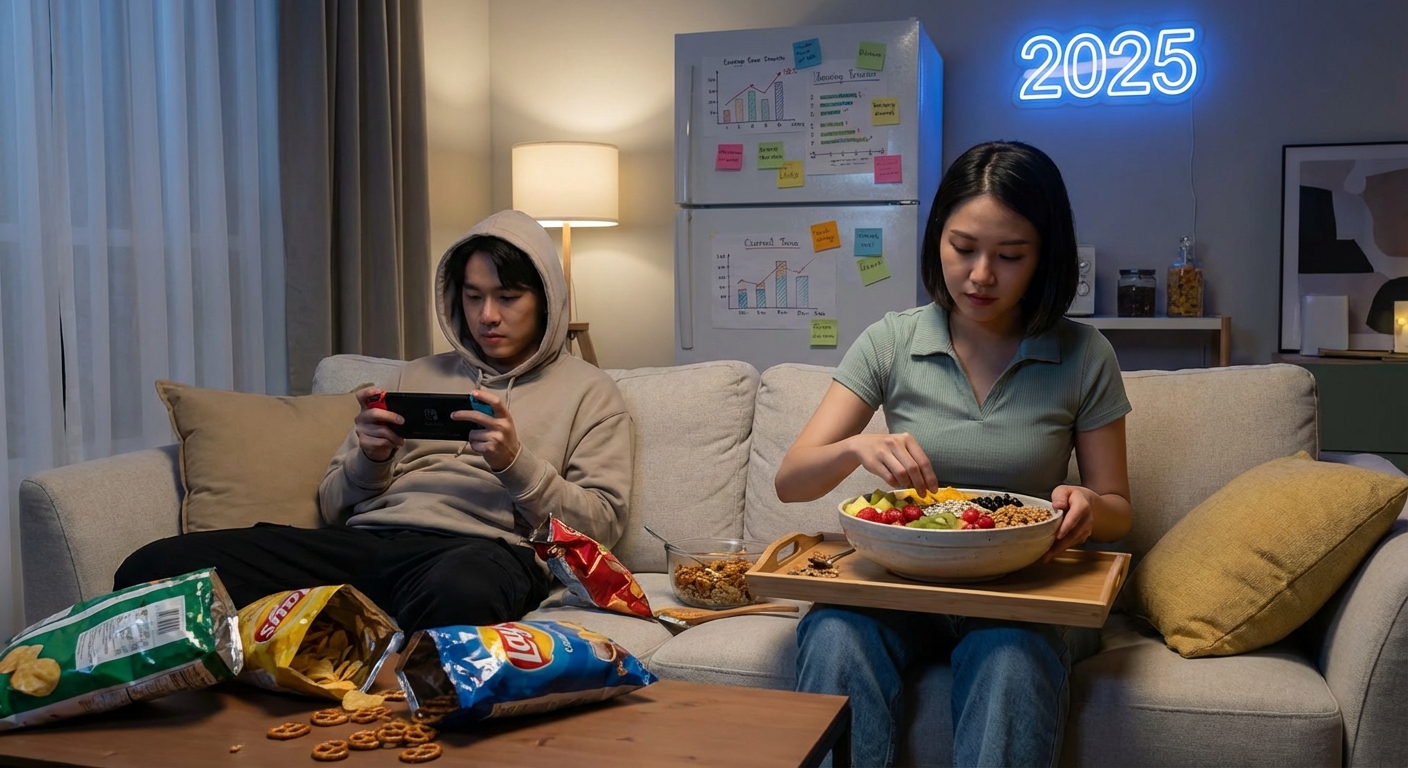
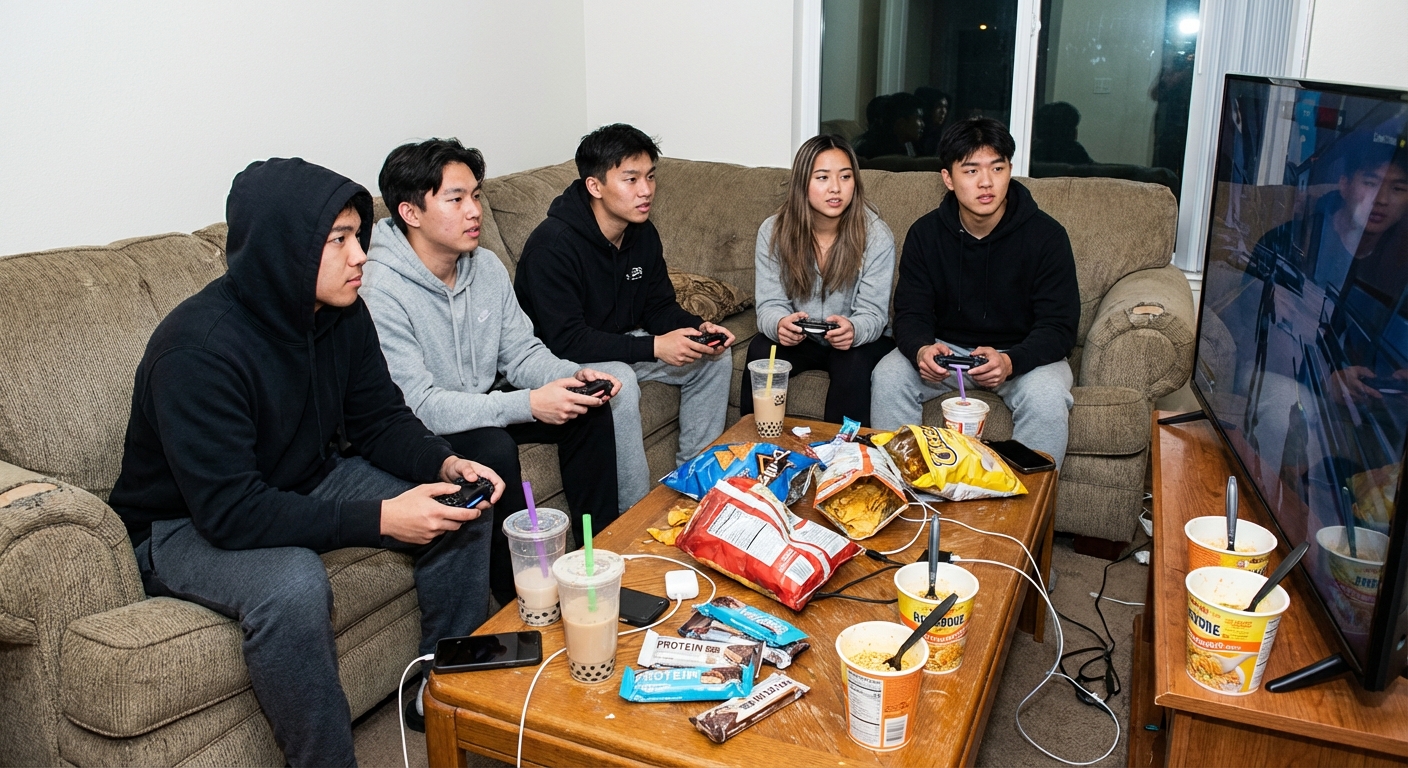
- Screen-first entertainment: You don’t pause gaming, streaming, or scrolling to sit at a table, you eat around it.
- Wellness fatigue: After years of macro-counting and diet discourse, snacks feel less loaded and more intuitive.
Gen Z researcher Corey Seemiller notes that for this cohort, “snacking is less about mindless eating and more about micro-breaks and self-management throughout the day.”
“Snackification” of Everything: When a Meal Becomes a Playlist
Rather than a single large plate, Gen Z often assembles what TikTok dubs “girl dinner”: a series of snack-sized components.
- A few slices of cheese
- Some olives and crackers
- A handful of grapes
- A couple of chicken nuggets
- A can of sparkling water or prebiotic soda
The hashtag #girldinner has generated billions of views, evolving from a meme into a massive cultural reference point.
Nutrition experts were initially alarmed, but many now see it as an opportunity. Dietitian and content creator @shawnjohnsonrd reframes “snack plates” into more balanced builds—adding a protein, produce, and carb—without shaming the format.
Core shift: Snacks aren’t a failure of discipline; they’re a modular meal strategy.The New Snack Aesthetic: Cute, Functional, and Hyper-Specific
In the Snack Wars, branding matters almost as much as flavor.
Trending characteristics:
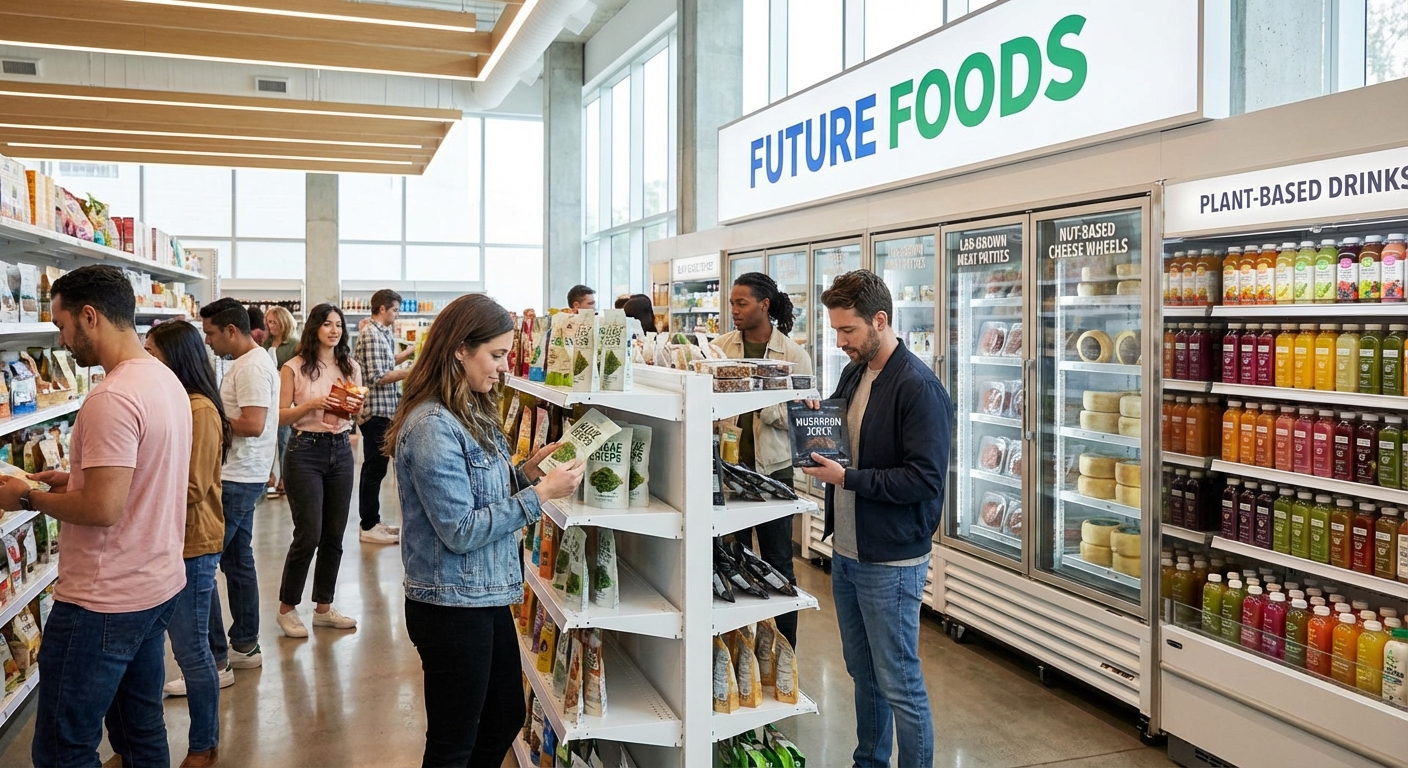
- Cute scale: mini pouches, single-serve tins, tiny cheese wheels.
- Soft wellness: gut health, mood support, focus, and “clean caffeine.”
- Hyper-specific use cases: “study snacks,” “gym snacks,” “PMS snacks,” “breakup snacks.”
A 2024 Mintel report found that 58% of Gen Z shoppers say “packaging that looks good on social media” can influence their pick when products are otherwise similar.
Influencers like @snackolator (dedicated entirely to reviewing new snacks) can move sales overnight with a single viral post.
Protein Bars Are Out, ‘Snack Boards’ Are In
Old-school protein bars are facing competition from more playful formats that still deliver macros:
- High-protein puddings and yogurts
- Cottage cheese bowls (a breakout trend with billions of views on TikTok)
- Build-your-own snack boards with nuts, fruit, dark chocolate, deli meats, and dips
According to FMCG Gurus, 63% of global consumers say they want snacks that are both “indulgent and nutritious.” The answer isn’t joyless diet food; it’s hybrid snacks that hit both notes.
Micro-trend: savory yogurt and cottage cheese bowls are edging into territory once reserved for dessert.Digital Influence: TikTok as the New Vending Machine
Snacks travel exceptionally well in the algorithm.
- 10-second crunch videos for ASMR
- Snack hauls from Costco, Trader Joe’s, H Mart
- “What I eat in a day” vlogs anchored around packaged snacks
Influencer @tiffy.cooks, known for Asian comfort food, regularly integrates snack recs into recipes—turning instant noodles, rice crackers, and seaweed snacks into meals.
TikTok’s own data shows 36% of users have ordered food or visited a restaurant after seeing it on the platform. That halo extends to grocery and snack brands, especially those with strong visual identities.
Expert Take: Is the Snack Life Healthy?
Public health experts worry about ultra-processed snack overconsumption—especially with GLP-1 drugs reshaping appetite narratives.
Yet the story is more nuanced:
- A 2023 review in Advances in Nutrition found that snacking itself isn’t harmful; it’s the nutritional quality and context that matter.
- Balanced snacks can stabilize blood sugar, reduce overeating at meals, and support energy levels.
Registered dietitian and researcher Dr. Michelle Cardel suggests a “3 out of 4” snack rule:
> “Aim for at least three: protein, fiber, color (from plants), or healthy fat. If you hit three, you’re in a solid place.”
Under that lens, a snack plate with hummus, carrots, pita, and olives is a respectable meal.
Where CPG Brands Are Pivoting
Big food companies are racing to catch up with snack-centric habits:
- Launching snackable versions of legacy products (mini, bites, crisps).
- Investing in refrigerated snacks (drinkable yogurts, fresh snack kits, protein smoothies).
- Co-branding with creators to launch limited-edition flavors.
PepsiCo’s 2024 earnings call underscored this focus, noting “disproportionate growth” in bite-size snacking and on-the-go packaging.
Startups are even more aggressive—stacking functionality (protein, fiber, adaptogens) while leaning into chaotic, maximalist branding.
How to Snack Like Gen Z (Without Losing the Plot)
Want to embrace snack culture without letting your nutrition fall apart? Borrow Gen Z’s playbook—then add structure.
1. Build ‘anchor snacks’Create 3–5 go-to combos that you default to:
- Greek yogurt + berries + granola
- Cheese + apple + whole-grain crackers
- Hummus + carrots + pita chips
- Edamame + orange slices
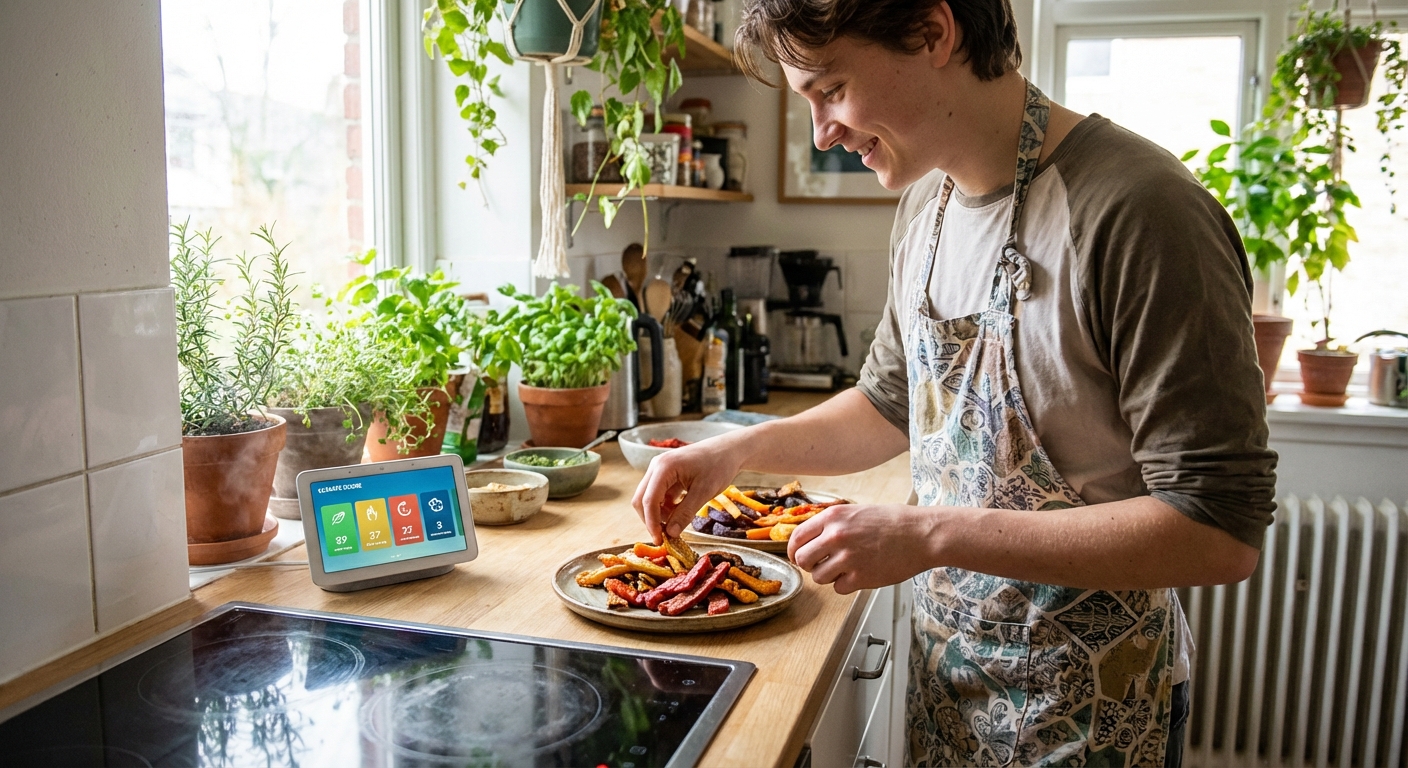
Half your snack should be something that grew (fruit, veg, nuts, seeds, beans). The rest can be whatever you like.
3. Treat snacks like chaptersInstead of mindless grazing, decide: Is this a bridge between tasks? A pre-workout boost? A stress break? Match the snack to the role.
The Future of Snacking: 4 Predictions
- Micro-meal subscriptions
Personalized snack boxes calibrated for macros, mood, and schedule.
- Snackable supplements
More vitamins and functional ingredients delivered via gummies, chews, and snack bars—not pills.
- Savory breakfast snacks
Mini onigiri, tamago sando sliders, and protein-rich bakes replacing sugary breakfast bars.
- Snack-optimized spaces
Workplaces, campuses, and co-working hubs designing snack stations with healthier defaults.
Snacks have graduated from guilty pleasure to cultural currency—and they’re dragging the entire food ecosystem along with them. The real battle isn’t meal vs. snack; it’s thoughtful vs. thoughtless. Gen Z is signaling clearly which side they’re on.