Why ‘Future Food’ Suddenly Feels Urgent
Climate shocks, supply-chain chaos, GLP-1 drugs, and TikTok-driven taste cycles have shoved food into fast-forward. The FAO projects global food demand will rise 35–56% by 2050, while the IPCC warns that climate impacts are already disrupting yields. Yet consumers still want food that is pleasurable, social, and story-rich.
This guide skips the sci-fi and focuses on how to adopt future-forward eating patterns now—without living on astronaut ice cream.
1. Build a Climate-Smart Plate (Without Going Fully Vegan)
Future-forward eating starts with shifting proportions, not perfecting purity.
The 2030-ready plate trend:- 50–60% plants (vegetables, fruits, legumes, whole grains)
- 20–30% climate-friendlier proteins (pulses, eggs, poultry, seafood, plant-based meats)
- 10–20% “joy foods” (cheese, charcuterie, sweets, oils)
The EAT-Lancet Commission found that a flexitarian diet could cut food-related greenhouse gas emissions by up to 50% while improving public health outcomes.
How to actually do this IRL:- Swap one meat-based meal each day for a legume-driven dish (think lentil bolognese or chickpea tikka).
- Stretch meat with plant “extenders”: mushrooms in burgers, beans in chili, tofu in stir-fries.
Influencer @bosh.tv built a multi-million-follower platform on exactly this concept: “accidentally vegan” comfort food that doesn’t feel like a sacrifice.
2. Lean Into New-Gen Proteins (Beyond Sad Veggie Burgers)
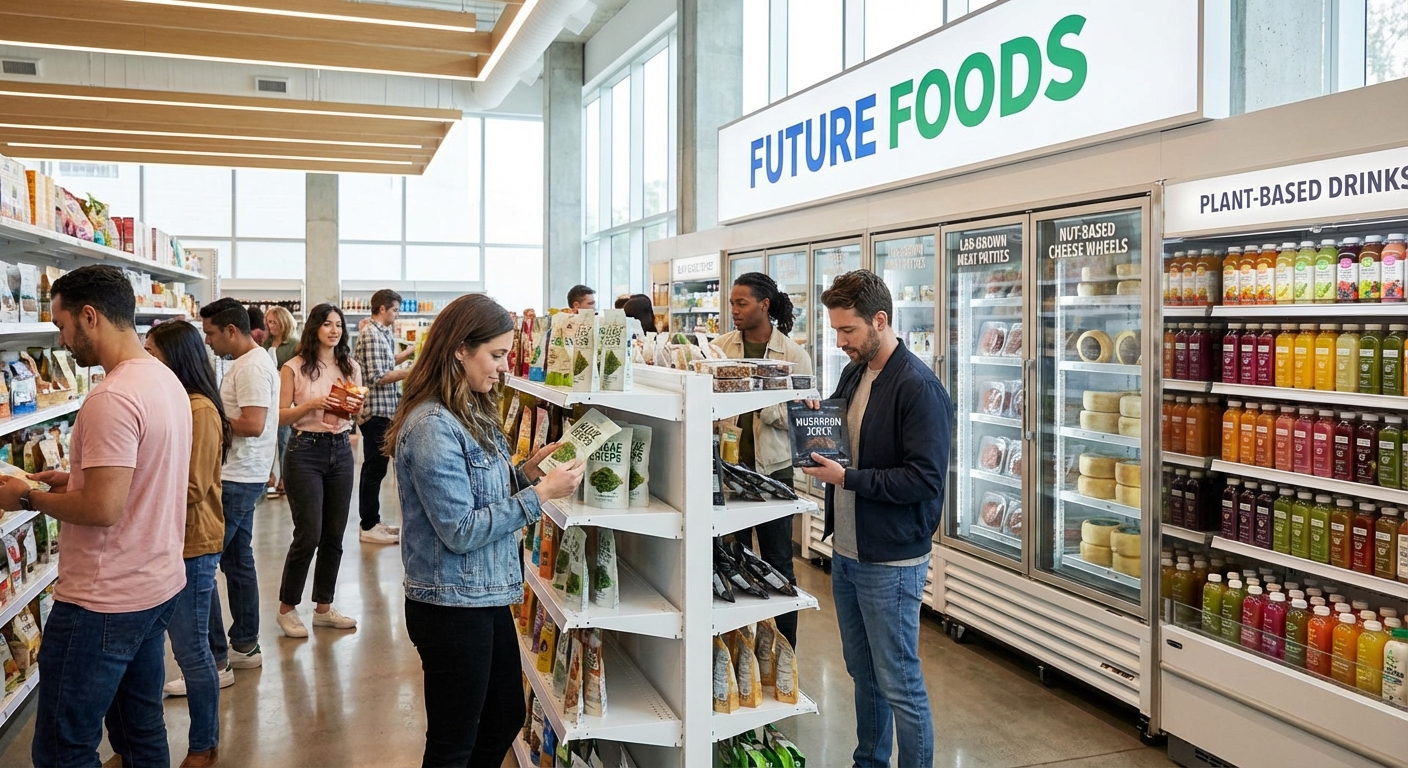
The protein of 2030 is diverse: plants, microbes, precision-fermented ingredients, and yes—occasionally insects.
What’s gaining traction now
- Fermented plant proteins: tempeh 2.0, black bean and chickpea tempeh, koji-based meats.
- Precision fermentation: whey proteins and casein made without cows; already in ice creams and cream cheeses in select markets.
- Whole-food hero proteins: lupini beans, fava beans, hemp seeds.
A 2023 BCG report estimates alternative proteins could reach 11% of the global protein market by 2035, but only if the products match conventional meat on price, taste, and convenience.
How to future-proof your pantry:- Keep one “alt protein” staple on hand: tofu, tempeh, seitan, or a favorite plant-based ground.
- Try one new protein each month (e.g., lupini snacks, pea-based deli slices, hemp tofu).
Chef and sustainability advocate Max La Manna tells his audience: “Treat new proteins like new pasta shapes—learn how to sauce them right, and everything else follows.”
3. Master the Art of Low-Waste Cooking
By 2030, food waste reduction isn’t a trend; it’s table stakes. The UN estimates that 17% of total global food production is wasted annually.
Low-waste habits that feel modern, not miserly
- Freezer as a pause button: freeze herb stems in oil, bread heels for crumbs, ripe fruit for smoothies.
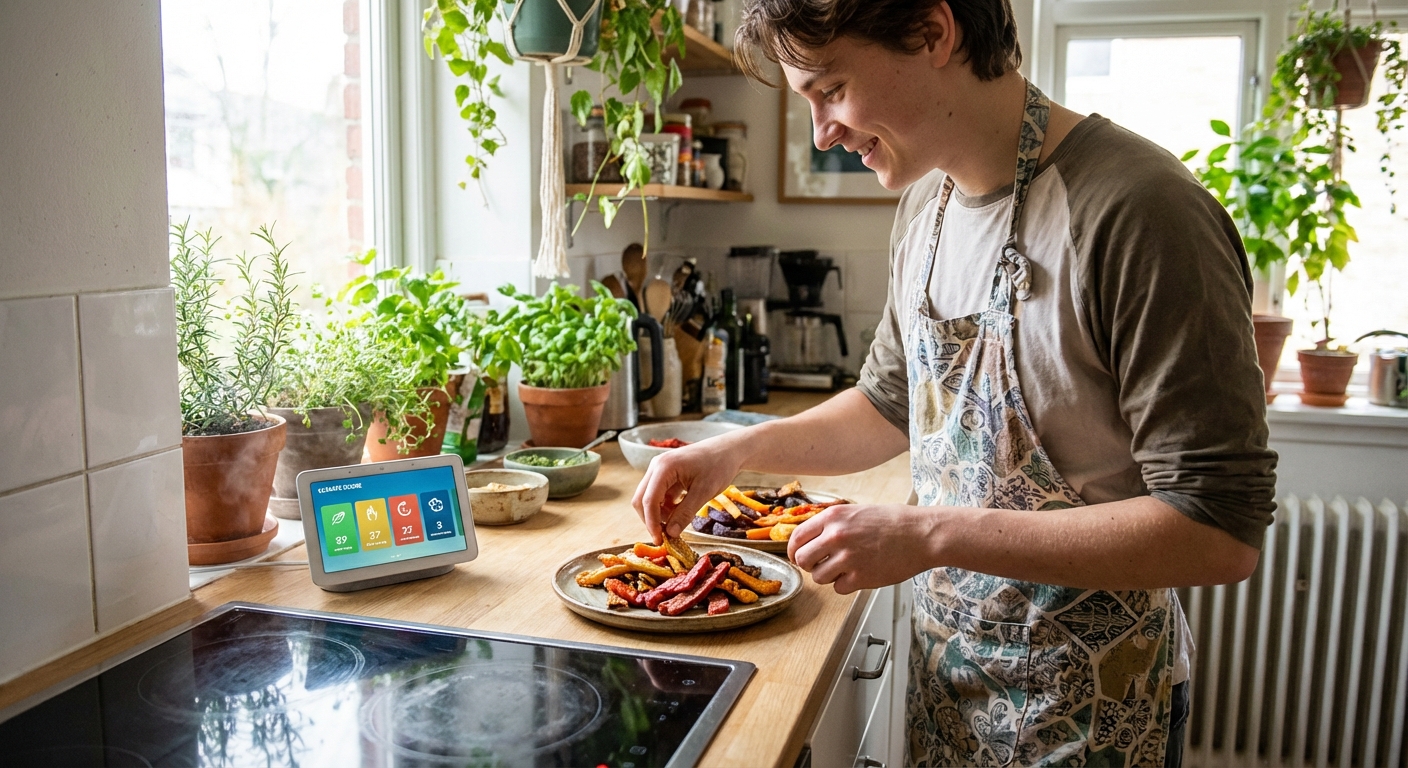
- “Ends and stems” cuisine: carrot-top pesto, broccoli-stem fries, radish-top chimichurri.
- Leftover remixes: rice into crispy skillet cakes, roast veg into dips, stale tortillas into chilaquiles.
Influencer @zerowastechef and cookbook author Anne-Marie Bonneau popularized the mantra: “We don’t need a handful of people doing zero waste perfectly. We need millions doing it imperfectly.”
Starter rule of thumb: Before you toss something, ask: Can this be soup, sauce, stock, or snack?4. Upgrade Your Snack Game With Function and Fun
The future of snacking is “better for you” without being boring.
Trending categories:
- Gut-friendly: prebiotic sodas, fiber-rich crackers, fermented veggies.
- Calm & focus: L-theanine chocolates, magnesium gummies, nootropic popcorn.
- Protein + crunch: roasted chickpeas, lupini beans, high-protein granolas.
Accenture’s 2024 consumer insights report found that 64% of Gen Z are seeking functional benefits in snacks, not just meals.
How to adopt this trend sanely:- Use functional snacks to replace less satisfying defaults, not to stack on more consumption.
- Read labels skeptically—look for realistic doses and short ingredient lists.
Dietitian and content creator @theguthealthdoctor regularly reminds her 4M+ followers: “Fiber and fermentation beat fancy claims most days.”
5. Cook for Mood, Not Just Macros
Future food isn’t just fuel; it’s a mental health toolkit.
Emerging evidence links dietary patterns rich in whole foods and omega-3s with better mood regulation. While it’s not a cure-all, “nutritional psychiatry” is gaining traction in academic circles.
Easy mood-led patterns to adopt
- For focus: balanced breakfasts with protein + slow carbs (e.g., oats with nuts and yogurt).
- For calm: herbal teas, magnesium-rich foods (seeds, leafy greens, dark chocolate), complex carbs at night.
- For stability: regular mealtimes, avoiding extreme blood sugar spikes.
Clinical researcher Dr. Felice Jacka, pioneer in food and mood research, told The Lancet Psychiatry: “Diet is the single largest modifiable risk factor for mental health that we routinely ignore.”
Future-forward move: Start labeling your meals in your notes app by mood impact, not just calories.6. Shop Like Supply Chains Are Fragile (Because They Are)
Pandemic-era shortages were a stress test, not a one-off. Climate disruptions, geopolitical tensions, and shipping constraints make long chains fragile.
Future-resilient eaters:
- Diversify staples: keep more than one grain, one oil, one protein source on hand.
- Learn basic substitutions: different flours, oils, and acids (vinegar, citrus, yogurt).
- Build micro-relationships: local farmers’ markets, CSAs, or neighborhood food co-ops.
A 2024 USDA report shows participation in local and regional food systems is up >20% versus 2019 levels, led by younger consumers.
Actionable step: Each month, replace one big-brand item with a local or regional alternative and note flavor, price, and satisfaction.7. Curate a ‘2030 Pantry’ in 10 Swaps
Here’s a simple framework to nudge your pantry toward the future.
Swap this | For this
---|---
Only white rice | Mix of grains: brown, barley, farro, millet, sorghum
1 cooking oil | 2–3 oils: olive, high-heat neutral, and a flavor oil (sesame, walnut)
Meat-only proteins | Add lentils, chickpeas, tofu, tempeh
Sugary drinks | Prebiotic sodas, herbal teas, DIY infused water
Standard snacks | Roasted pulses, nuts, seeds, seaweed
Plain salt | Sea salt + acid (citrus, vinegars) to reduce sodium needs
Refined pasta only | Include legume or whole-grain options
Limited spices | Build a basic global set: cumin, smoked paprika, turmeric, gochugaru, za’atar
Shelf-stable only | One fermented item: kimchi, sauerkraut, miso, pickles
Single sweetener | Mix of sugar, honey, dates, or fruit-based sweetness
Food writer Alicia Kennedy calls this approach “incremental abundance” instead of restriction: small shifts that expand options rather than shrink them.
8. Eat With a Creator’s Mindset (Even If You Never Post)
Influencers have rewired how we think about food: plating, color, narrative, and process are now part of everyday cooking.
To future-proof your relationship with food:
- Plate one meal a week like you’d photograph it (color, height, contrast).
- Tell a tiny story: where one ingredient came from, or who inspired the recipe.
- Save your own “recipe reels” in your phone for future you.
Chef and creator @sarahkiani says: “The second you film yourself cooking, you see the friction points. You naturally simplify, organize, and edit your food life.”
You’re not curating for an algorithm—you’re curating for your future self.
Looking Ahead: The Future-Food Mindset
Eating like it’s 2030 doesn’t mean chasing every trend. It means:
- Normalizing plant-forward, climate-smart plates.
- Embracing diverse proteins and low-waste habits.
- Using food as a lever for mood, resilience, and creative expression.
If you build those muscles now, whatever the food landscape looks like in five years—more fermentation, more AI, more alternative proteins—you won’t be scrambling. You’ll already be eating in the future.