Plant-Based Is Growing Up
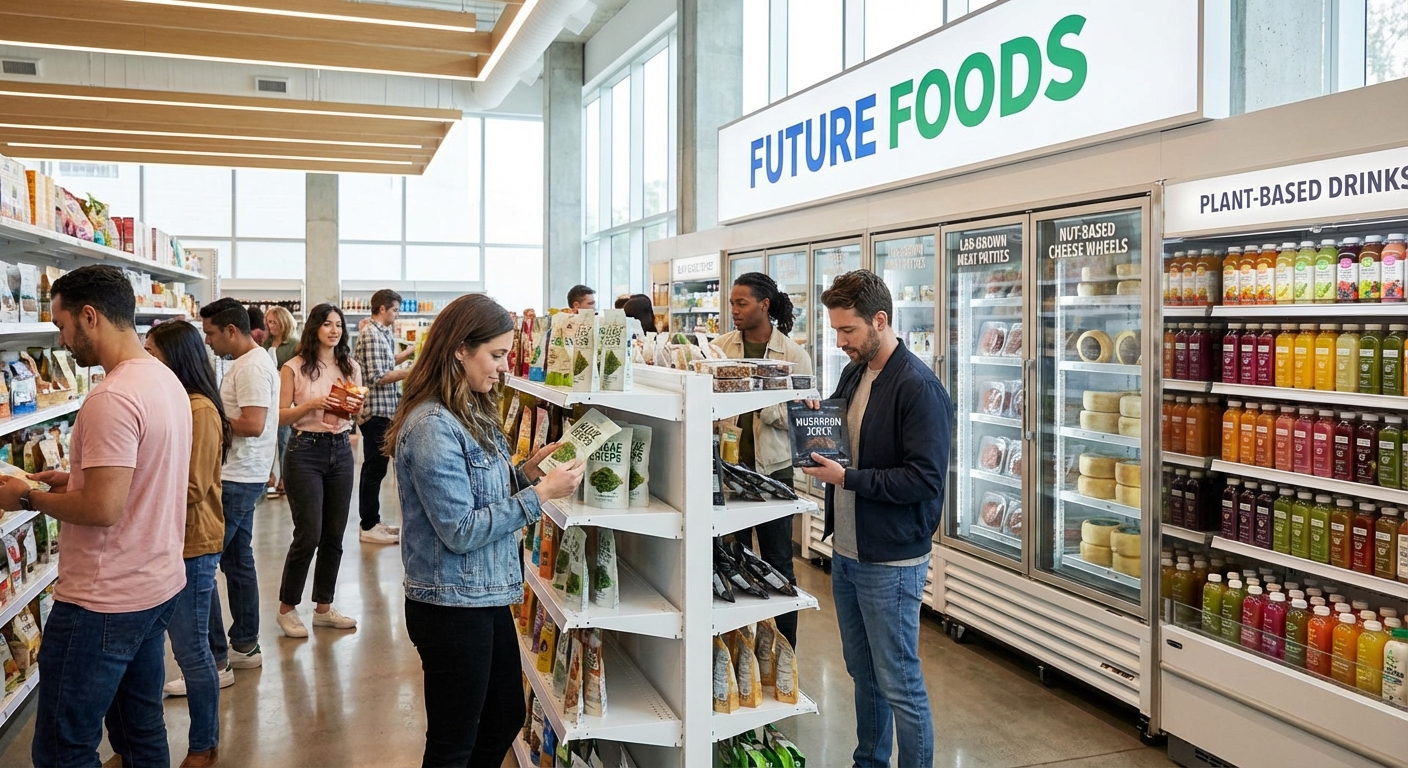
The early phase of plant-based eating was defined by one question: “Can this taste like meat or dairy?” In 2025, the conversation has matured.
Consumers still care about burgers and barista milks, but they now want:
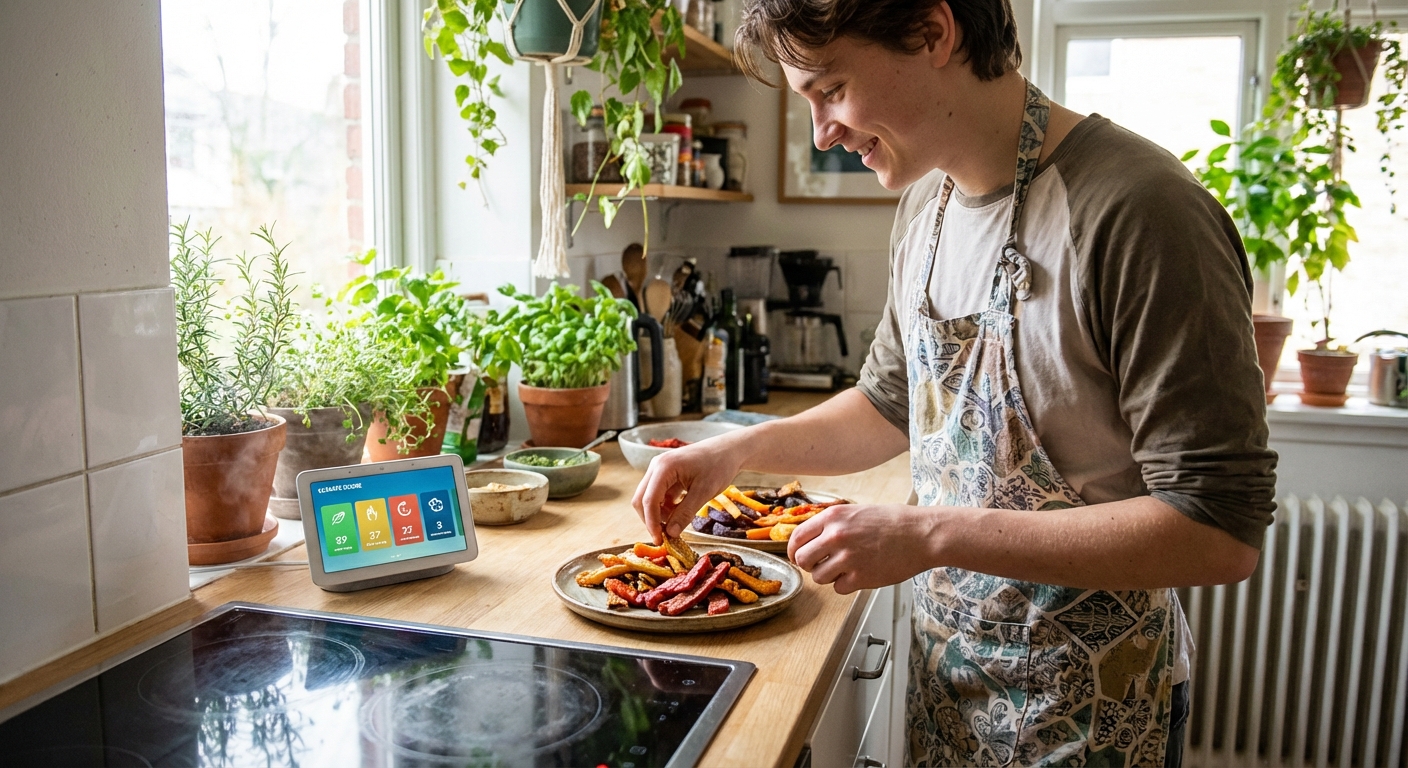
- Cleaner labels
- Better nutrition
- Lower prices
- Less corporate greenwash
A 2024 Good Food Institute report shows global retail sales of plant-based foods climbing toward $20 billion, but with growth shifting from novelty products to everyday staples.
Here are seven plant-based trends that actually matter for where alt-eating is headed next.
1. The Great Dairy Diversification
Oat took over the 2018–2022 era, but we’re entering a multi-milk world.
What’s rising
- Pea and fava milks: higher in protein, better foam performance.
- Potato milk: ultra-sustainable profile with lower water use.
- Blended milks: oat + soy, almond + pea—formulated for both nutrition and texture.
In 2024, SPINS retail data showed double-digit growth in multi-source plant milks, even as single-source SKUs plateaued.
Barista influencer @jules.withthefoam has built a niche reviewing plant milks strictly on their latte performance, creating de facto rankings that directly affect cafe buying decisions.
What it signals: Plant-based dairy is shifting from “tolerable” to tailored—and coffee culture is driving the specs.2. Plants With Pedigree: Regenerative and Single-Origin
The next wave of plant-based isn’t just about what’s not in the product (no animals, no lactose). It’s about where it came from and how it was grown.
Rising label language:
- Regeneratively grown oats
- Single-origin almonds
- Biodynamic soybeans
A 2023 Soil Association report found products with regenerative or soil-health claims grew sales at 2–3x category averages in UK markets.
Chef and activist Dan Barber has long argued for a “third plate” philosophy—one built on diverse, soil-supporting crops. Plant-based brands are finally catching up, designing products around crop rotations and overlooked legumes.
Expect: more chickpeas, lentils, lupini, buckwheat, millet, and sorghum on shelves.3. Whole-Food Plant-Based Goes Mainstream
There’s growing fatigue with ultra-processed alt-meats. A 2024 YouGov survey showed 52% of flexitarians are “concerned” about the ingredient lists in many plant-based meats.
Enter whole-food, minimally processed options:
- Jackfruit carnitas
- Lentil and walnut taco “meat”
- Mushroom steaks and shreds
- Chickpea tofu (Burmese tofu) and hemp tofu
Recipes from creators like @rainbowplantlife and @sweetpotatosoul emphasize flavor-first, whole-food cooking over store-bought meat analogues.
Nutrition scientist Dr. Walter Willett notes that diets rich in whole plant foods consistently correlate with lower chronic disease risk—regardless of whether you eat meat or not.
Takeaway: The health core of plant-based is finally catching up with the hype core.4. Regional Plant-Based Cuisines Take the Spotlight
Instead of generic “vegan options,” we’re seeing cuisines that are inherently plant-rich celebrated on their own terms.
- South Indian thalis: dosas, sambar, coconut chutneys
- Levantine spreads: hummus, muhammara, falafel, fattoush
- Ethiopian injera feasts: lentils, greens, spiced veg stews
- Buddhist temple cuisines: Korean, Japanese, Chinese monk foods
Food researcher Krishnendu Ray notes that global south cuisines are helping Western diners see plant-based not as restriction, but as tradition.
TikTok creator @plantbasedpassport documents regional plant dishes around the world, reframing vegan eating as adventurous, not ascetic.
Expect more: restaurant concepts and meal kits built around specific plant-forward regional cuisines rather than generic “vegan menus.”5. The High-Protein Plant Era
As GLP-1 drugs reshape appetite and fitness culture demands higher protein, plant-based brands are racing to keep up.
Trending now:
- 30g+ protein shakes made from pea, fava, or soy
- Protein yogurts and puddings with 15–20g per serving
- Fortified breads and wraps using legume flours
A 2024 Euromonitor report identified high-protein plant foods as one of the fastest-growing health-positioned categories in North America and Europe.
Sports nutrition coach and influencer @nimai_delgado, a lifelong vegetarian turned vegan bodybuilder, has helped normalize serious muscle gains on plants—shifting the cultural narrative around plant protein sufficiency.
Key shift: plant-based is no longer coded as low-protein or “light”—it’s competing directly in performance spaces.6. Hybrid Eating: Plants Plus ‘Just Enough’ Animal
Pure veganism remains a minority, but plant-leaning diets are going mass-market.
- “Plant-forward” menus where meat is an accent, not the star.
- Hybrid products: sausages blending pork with legumes or mushrooms; burgers with 30–50% veg content.
- Eggs as a bridge food in mostly plant-based households.
Datassential’s 2024 report shows flexitarians now represent the largest share of plant-based purchasers. They aren’t abandoning animal products—they’re modulating them.
Culinary influencer @smittenkitchen often posts recipes where small amounts of meat flavor a largely plant-based dish—reflecting how many people actually cook at home.
What it means: The real market growth is in middle spaces, not ideological extremes.7. Alt-Seafood Steps Out of the Shadows
While burgers and nuggets stole headlines, the next big plant-based frontier is the ocean.
Rising formats:
- Konjac- and pea-based shrimp
- Carrot and tomato “lox”
- Mushroom-based scallops
- Fermented algae spreads and seaweed snacks
The WWF highlights that nearly 90% of global marine fish stocks are fully exploited or overfished. This creates both environmental urgency and market opportunity.
Early adopters like Good Catch and Plantish are being joined by a wave of startups focusing on sushi-grade cuts, canned tuna replacements, and seafood-flavored bouillons.
Chefs like Matthew Kenney are showcasing plant-based sushi concepts that foreground texture and umami, not just mimicry.
Signal: As consumers connect climate change with ocean health, alt-seafood could become the breakout segment of the next 5 years.How to Eat With the Next Wave of Plant-Based—Without Going All In
You don’t need to convert to veganism to ride these trends. Try this low-friction approach:
- One plant-major meal per day
Anchor it with beans, lentils, tofu, or whole grains.
- Swap your default milk
Rotate between a few options to see what works best for coffee, baking, and cereal.
- Adopt a regional plant-forward night
Think: dal night, mezze night, or Ethiopian platter night each week.
- Pick a functional plant snack
Roasted chickpeas, edamame, or lupini beans to replace one ultra-processed snack.
- Upgrade your condiments
Miso, tahini, chili crisp, za’atar, and preserved lemons can make plant dishes craveable.
Food futurist Dr. Morgaine Gaye notes: “We’re moving from plant-based as an identity to plant-based as a skill set. The winners will be people and brands who can cook plants beautifully, not just avoid meat.”
Plant-based 2.0 is less about labels and more about literacy—knowing how to use plants for flavor, resilience, and pleasure. That’s where the real trend line is heading.