The New Food Mood: Culture First, Calories Second
Food trends in 2025 aren’t just about what’s on the plate—they’re about identity, mental health, climate anxiety, and TikTok clout. According to Datassential’s 2024 Food Trends report, 74% of Gen Z say they discover new foods on social platforms before they see them in restaurants or grocery stores. Food is now a cultural feed as much as a nutritional need.
Below are nine micro-trends quietly shaping how we shop, cook, and brag about what we eat.
1. Goblin-Mode Snacking: Comfort First, Aesthetic Second
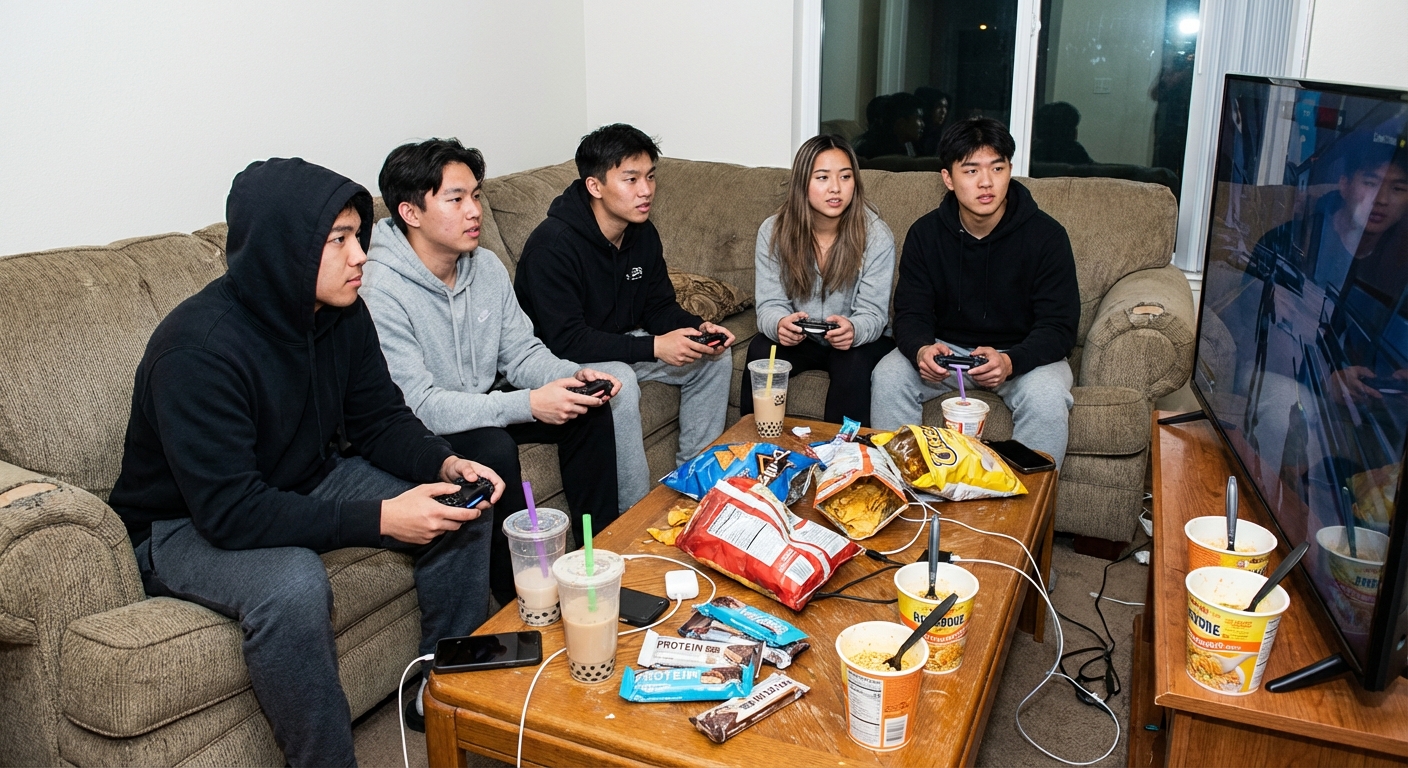
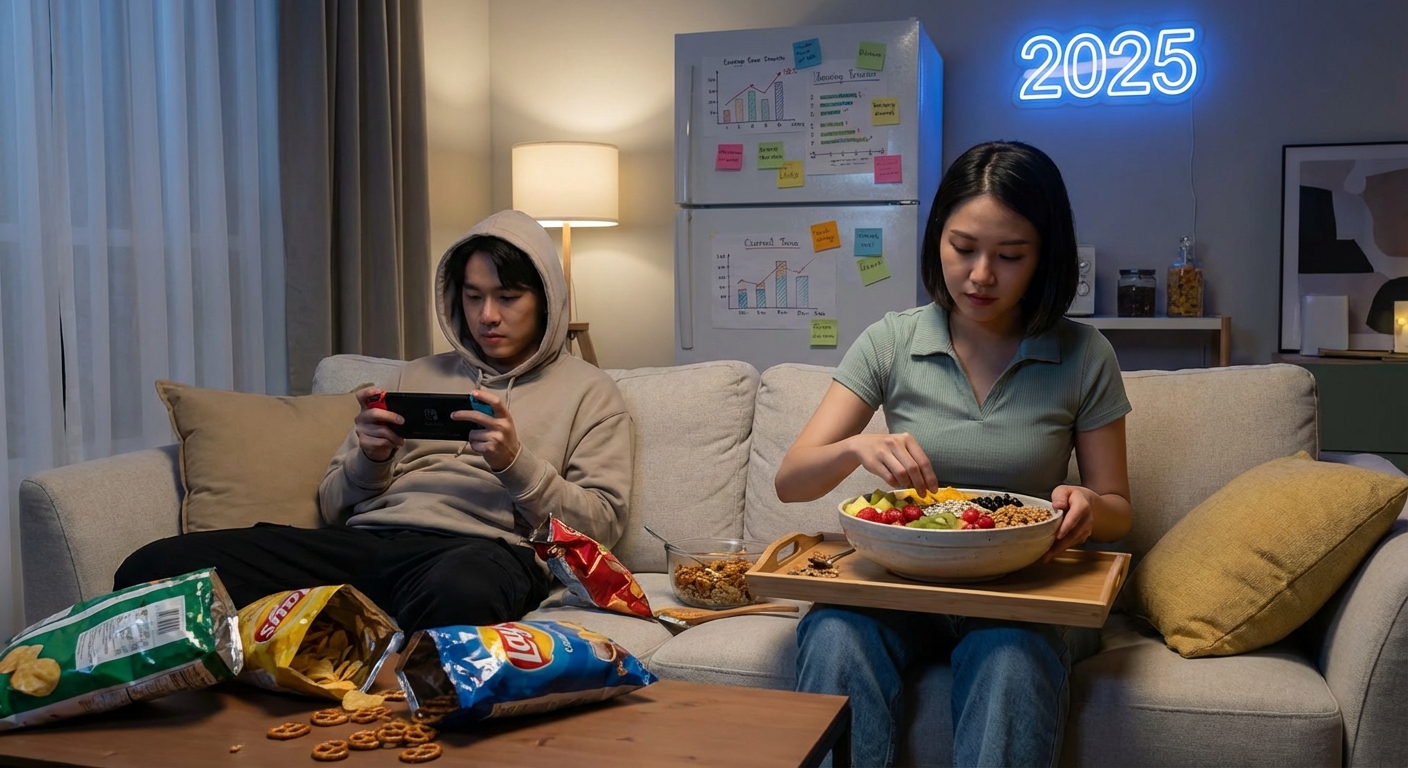
After years of hyper-optimized wellness, there’s a subtle rebellion underway: snacks that are borderline feral.
- Think: messy toasties, overloaded nacho pans, chaotic snack boards from “whatever’s in the fridge.”
- Hashtag proof: The #goblinmode tag has racked up hundreds of millions of views across platforms, with creators posting late-night fridge raids and unapologetically ugly comfort food.
Food psychologist Dr. Rachel Herz (Brown University) notes that post-pandemic, “comfort foods act as emotional regulators, not just indulgences.” The trend isn’t anti-health—it’s anti-perfection. Consumers are seeking foods that feel emotionally safe, not just nutritionally balanced.
Where brands are jumping in:- Limited-edition “midnight” snack flavors
- Hybrid salty-sweet products (think chili-honey popcorn, miso-caramel crisps)
2. Hyper-Wellness Bowls: Adaptogens Meet Analytics
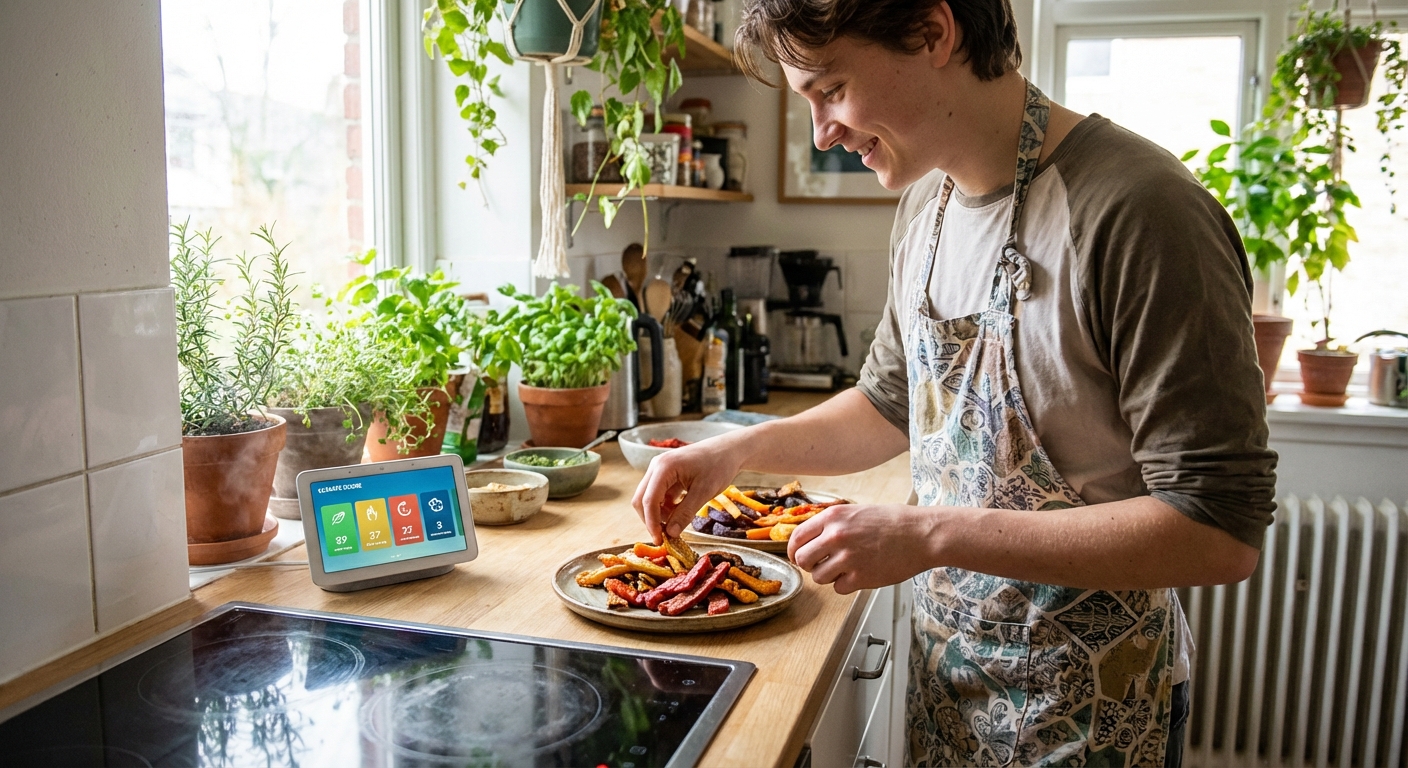
Bowls aren’t new. But the 2025 version is optimized, data-driven, and often…tracked in an app.
According to McKinsey’s global wellness report, the wellness market is projected to hit $2 trillion by 2027, with functional foods and beverages a major driver. On TikTok, #adaptogens has surged past a billion views as creators experiment with powders, tinctures, and mushroom blends.
Popular add-ins:
- Ashwagandha, lion’s mane, reishi
- Maca, moringa, baobab
- Blood-sugar–friendly seeds, fiber boosts
Influencer dietitian @nutritionbykylie (millions of followers) routinely breaks down “Instagram wellness bowls” and turns them into realistic, evidence-based versions—proving that utility plus aesthetics is the winning formula.
Trend takeaway: The new wellness flex isn’t just green—it’s personalized and explainable.3. Planet-Forward Eating Goes Mainstream (But Not Moralistic)
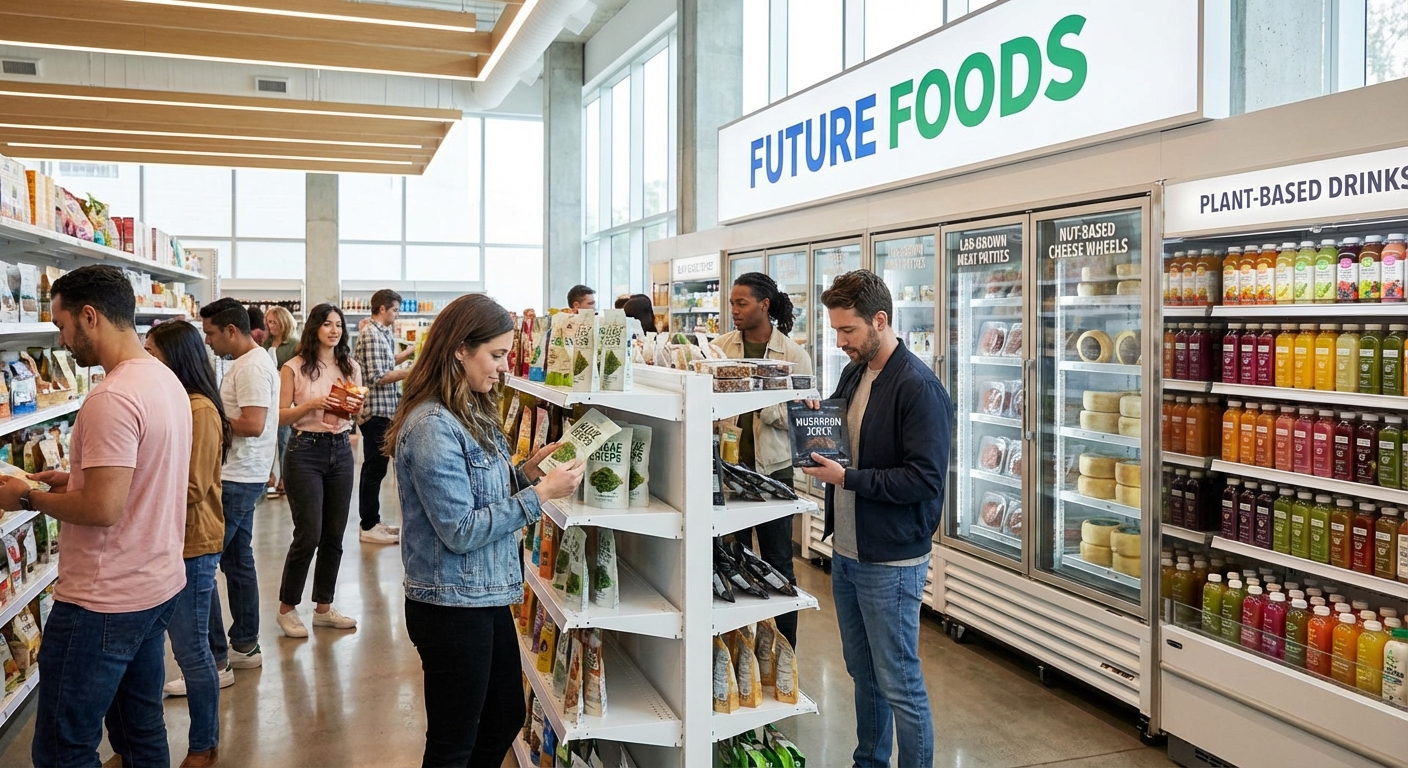
Sustainability used to be niche. In 2024, Circana reported that 61% of US consumers say sustainability is a key purchasing driver, but only if it doesn’t significantly impact flavor or convenience.
The new climate-conscious food trend looks like this:
- Low-key climate wins: upcycled crackers, “ugly” fruit snacks, carbon-neutral wines.
- Subtle labels: climate badges and QR codes instead of guilt-heavy messaging.
- Local-ish: regional sourcing and seasonal menus rather than strict “locavore” purity.
Journalist and food systems analyst Tom Philpott notes that “the winning sustainability strategies are quietly embedded into the product, not shouted from the front label.”
Trend takeaway: Planet-friendly is now a baseline expectation—but it has to be frictionless.4. Quiet Luxury Groceries: The Soft Power Flex of 2025
The “quiet luxury” fashion aesthetic has infiltrated pantries. It’s less about logo-heavy brands and more about understated quality:
- Minimalist packaging, muted tones, serif fonts
- Single-origin olive oils, heritage grains, small-batch condiments
- Elevated basics: $12 broth, “chef’s salt”, craft tinned fish
A 2024 NielsenIQ study found that premium grocery categories grew nearly 2x faster than mass brands, even as consumers complained about inflation. The paradox: people are cutting back on big-ticket dining out, but splurging on tiny luxuries at home.
Influencers like @emilymariko and @leahitsines have normalized pantry “tours” featuring chic, premium staples as part of lifestyle branding.
Trend takeaway: Food as quiet status symbol is only going to expand—especially in home cooking content.5. Nostalgia Remixed: Retro Flavors With Modern Ethics
Nostalgia never really leaves, but it keeps evolving. The current wave: childhood snacks reimagined with better ingredients.
- Cereal bars with reduced sugar and whole grains
- Veganized ice-cream truck favorites
- Soda-style drinks with prebiotics, botanicals, and no refined sugar
Pinterest Predicts reported a 120%+ increase in searches for “retro recipes modern twist” and “childhood snacks remake” heading into 2025.
Chef and cookbook author Sohla El-Waylly summed it up in a recent interview: “We want our childhood favorites, but we want them to like…not wreck us.”
Trend takeaway: Comfort plus credibility is a winning combo: indulgent flavor, grown-up sourcing.6. Third-Culture Comfort: Hybrid Dishes as Identity Statements
Fusion is out; third-culture cooking is in.
Where “fusion” once mashed cuisines together from the outside, third-culture cooking reflects the lived experience of people who grew up between food cultures.
Examples trending:
- Gochujang cacio e pepe
- Miso caramel everything
- Adobo chicken sandwiches on milk bread
- Chaat-spiced fries & tater tots
TikTok creators like @newt (Vietnamese-American) and @johnnyclyde (eclectic Americana) are building massive audiences by leaning into unapologetically personal mashups rather than “authentic” takes.
Trend takeaway: The new authenticity is hyper-specific and personal, not traditional or gatekept.7. AI-Curated Eating: Algorithms in the Kitchen
AI is now quietly influencing how we eat—even if we don’t notice.
- Recipe apps suggesting dinner based on what’s in your fridge
- AI-generated weekly meal plans tailored to macros and budget
- Smart grocery lists that automatically optimize for discounts and nutrition
A 2024 Deloitte survey found that 38% of Gen Z have used AI for recipes or meal planning at least once. Major retailers are already piloting AI “concierge” services that recommend products based on dietary restrictions and past purchases.
Critics worry about homogenization and algorithmic bias, but food futurist Dr. Morgaine Gaye predicts that “AI will become a background utility—like electricity—for personalized food decisions.”
Trend takeaway: Expect AI-driven food discovery to become as normal as scrolling for outfit inspo.8. Functional Indulgence: Dessert That Does Something
Functional beverages paved the way; now desserts are joining in.
Products and recipes promising:
- Better sleep (magnesium, tart cherry, lavender)
- Gut support (prebiotic fibers, fermented components)
- “Glow” / skin benefits (collagen, vitamin C-rich pairings)
Market research firm Grand View Research projects the functional food market to reach $530+ billion by 2030. Ice-cream brands with added protein or probiotics and chocolate bars marketed for focus, calm, or PMS relief are becoming shelf staples, not novelties.
Trend takeaway: The sweetest spot in 2025 sits at the intersection of hedonism and health halos.9. Dining As Content: Restaurants Designing for the Feed
Restaurants and cafes now design with camera angles in mind:
- Statement walls, hyper-specific themes, maximalist tableware
- Signature dishes engineered to be visually arresting
- Lighting optimized for smartphone cameras
In a 2023 Zagat survey, 41% of diners under 35 said social media photos influenced where they choose to eat. That influence is only intensifying.
Influencer @thehungrygentleman, who reviews restaurants across major US cities, notes that “a single ultra-Instagrammable dessert can move more traffic than a dozen traditional ad buys.”
Trend takeaway: If it’s not shareable, it’s probably not scalable.What’s Next: 3 Predictions for the Next 3 Years
- Micro-personalized grocery aisles
Expect loyalty data + AI to shape promotions and layouts, with in-app maps guiding you to “your” products.
- Bioregional comfort foods
We’ll see more dishes built around local ecology—seaweed-heavy coastal menus, desert-adapted ingredients, climate-resilient grains.
- Mood-labeled menus
More restaurant and delivery menus will organize by how you want to feel (calm, energized, focused) rather than just cuisine.
Food is no longer just what we eat; it’s how we broadcast our values, manage our moods, and negotiate our place in a chaotic world. The next wave of food trends won’t simply be about flavor—they’ll be about feeling seen.