The End of 47‑Step Morning Routines
You’ve seen the videos: a 4:45 a.m. wake‑up, journaling, breathwork, cold plunge, 90‑minute workout, 12 supplements, green juice, red light therapy—and then breakfast.
That era of wellness maximalism is losing its shine.
Consumers are burned out on being burned out by their own routines. A 2024 Mindbody survey found that 52% of respondents feel overwhelmed by the number of wellness choices available. At the same time, more people than ever are tracking sleep, steps, heart rate variability, and menstruation.
The result? A new cultural pivot toward wellness minimalism: fewer, smarter, data-informed habits that deliver measurable benefits without taking over every hour of the day.
What Is Wellness Minimalism?
Wellness minimalism is not about doing the bare minimum. It’s about:
- Prioritizing high-impact behaviors over complicated stacks
- Using data and self‑awareness to choose your 20% that drives 80% of the results
- Designing routines that are sustainable at your worst, not only on your best days
It’s fueled by three big cultural shifts:
- Wellness fatigue from years of optimization culture
- Economic pressure—people want ROI, not just rituals
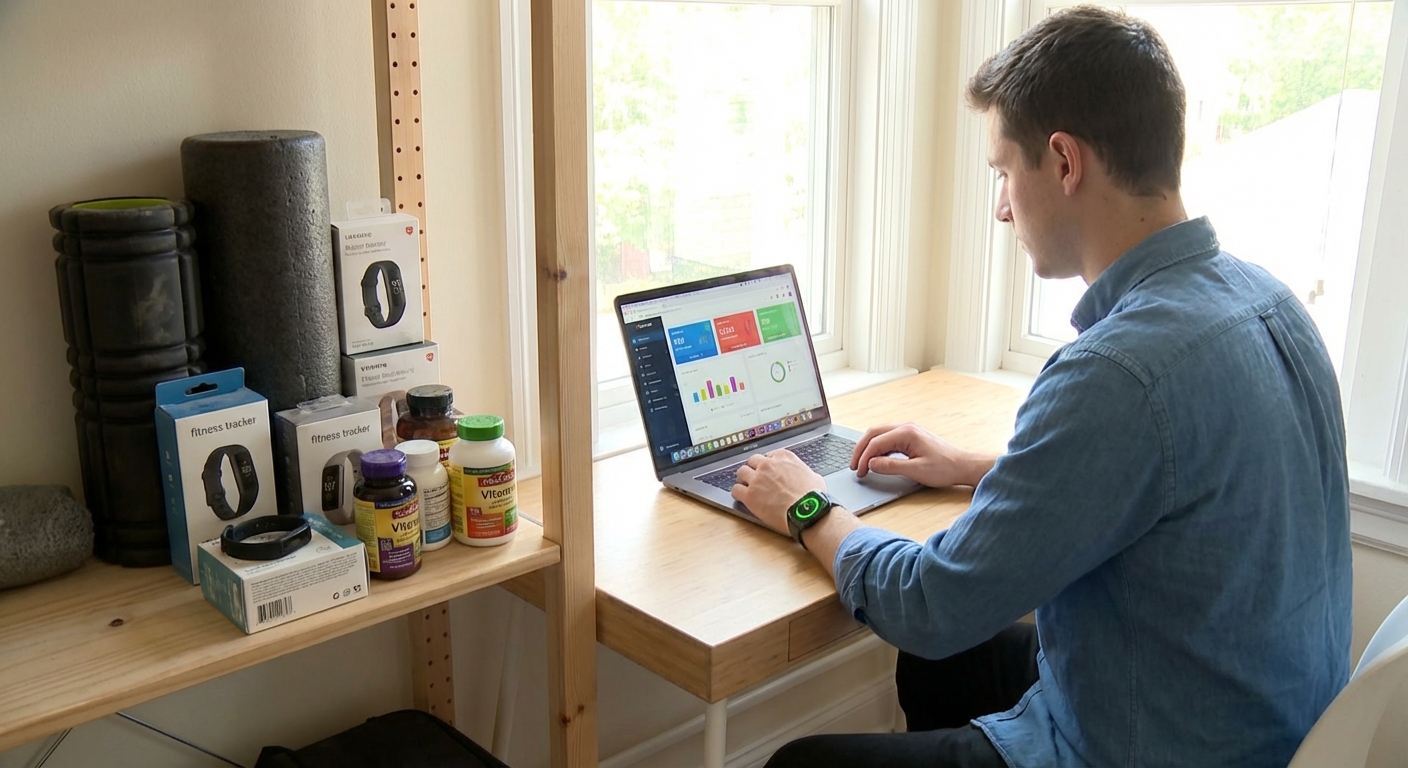
- Better access to personal data via wearables and at-home testing
Influencers like Peter Attia, Dr. Rangan Chatterjee, and Natacha Océane increasingly push “big rocks” (sleep, strength, metabolic health) instead of 40‑item checklists.
Why Maximalism Stopped Working
Wellness maximalism thrived during peak hustle culture and lockdown periods, when people had more control over their time and a craving for structure. But several frictions emerged:
- Time poverty: 60–90 minute routines are unrealistic for parents, shift workers, and most humans.
- Decision fatigue: too many choices paralyze action.
- Guilt loops: falling off complex routines often triggers shame and full‑on abandonment.
Psychologist Dr. Emily Anson notes:
> “When wellness becomes a performance, people unconsciously optimize for what looks good on social media, not what actually moves the needle in their health data or daily mood.”
Minimalism is the backlash: less spectacle, more signal.
The Data Behind Doing Less (But Better)
Research on behavior change backs this shift:
- Studies from BJ Fogg’s Behavior Design Lab at Stanford show small, easy habits are far more likely to stick than ambitious overhauls.
- A 2023 review in Annual Review of Psychology highlights that consistency beats intensity in long-term outcomes.
On the biometric side:
- Wearable data often shows diminishing returns from extra-intense training versus adequate sleep and recovery.
- Oura and WHOOP users frequently discover that late-night social scrolling has more impact on their recovery scores than their supplement stack.
In other words: the quiet, unsexy habits are often the real levers.
5 Core Principles of Wellness Minimalism
1. Big Rocks First
Instead of 20 micro‑habits, choose 3–5 big rocks:
- Sleep 7–9 hours
- Strength train 2–3x per week
- Walk 7,000–9,000 steps most days
- Eat protein + fiber at each meal
- Practice one daily down‑regulation tool (breathwork, meditation, stretching)
If a trend doesn’t support a big rock, it’s optional—not essential.
2. Personal Data > Generic Hacks
Wellness minimalism uses data as a filter, not a dictator.
- Track one or two metrics: sleep score, resting heart rate, or subjective energy
- Change one variable at a time (e.g., caffeine cut‑off, earlier bedtime)
- Keep what clearly improves the metrics and your lived experience
3. Protocols Only If They Fit on One Page
Complex protocols are hard to follow. Minimalists favor:
- One-page routines
- Short, repeatable workouts
- Simple meal frameworks instead of detailed meal plans
If your “wellness plan” can’t fit in your notes app without scrolling, it’s probably too complicated.
4. Emotional ROI Matters
A habit is only high-yield if it improves both biometrics and how you feel about your life.
- If 5 a.m. workouts tank your mood and social life, they’re not high-ROI.
- If a 20-minute evening walk gives you decompression, connection, and steps, it’s a keeper—even if it’s not “hardcore.”
5. No More One‑Size‑Fits‑All Idols
Wellness minimalism rejects the idea that you must emulate a specific influencer’s routine.
Instead, you build a modular system tuned to:
- Your chronotype (morning lark, night owl)
- Your responsibilities (kids, shifts, caregiving)
- Your body’s quirks and limitations
How Influencers Are Quietly Rebranding Minimalism as Maturity
Some of wellness’s biggest names are subtly pivoting:
- Emma Chamberlain talks more about boundaries, therapy, and balance than perfect productivity.
- Kayla Itsines now emphasizes quick, efficient strength workouts over punishing circuits.
- Dr. Andrew Huberman increasingly stresses picking a subset of his tools, acknowledging that doing everything is impossible.
Creators like @dridam on TikTok promote “bare-minimum wellness”—non‑aesthetic checklists like:
- Brush teeth
- Drink water
- Take meds
- Get sun on your eyes
- Eat at least one real meal
This content is resonating with millions, particularly burnout‑prone Gen Z and Millennials.
A Minimalist Wellness Blueprint (That Still Feels Trendy)
Here’s a sample structure that aligns with current trends but stays ruthlessly simple.
Daily Non‑Negotiables
- Light + Movement in the Morning
- 5–15 minutes of natural light
- Short walk or gentle mobility
- Protein + Fiber at Each Meal
- 25–35g protein per main meal
- Add veg, legumes, or whole grains
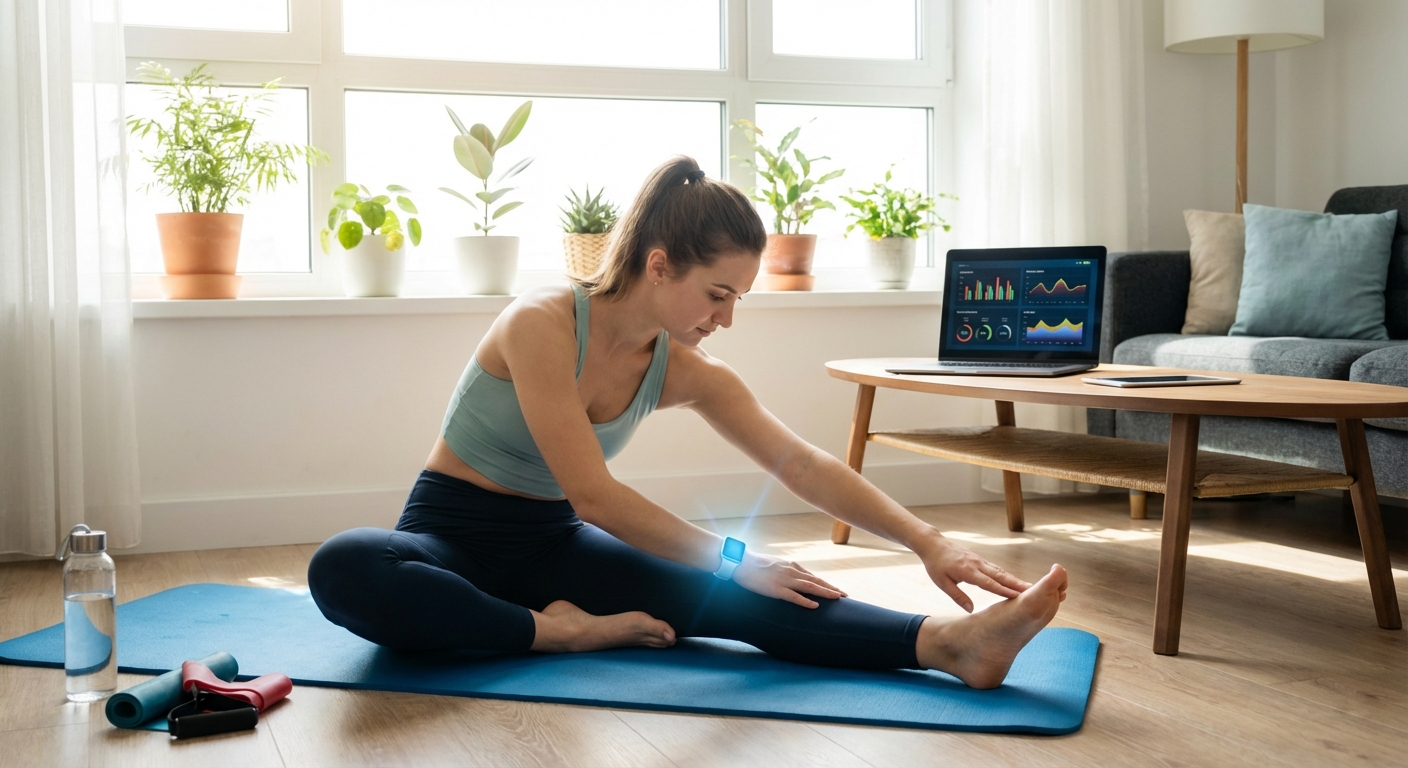
- One Nervous-System Tool
- 5 minutes of breathwork or meditation
- Or 10 minutes of stretching / Yin yoga at night
- Sleep Guardrails
- Roughly fixed sleep/wake times (+/– 30 minutes)
- Basic screen hygiene in last 30–60 minutes
Weekly Add‑Ons
- Strength Training 2–3x
- 30–45 minutes per session
- Focus on compound lifts (squats, hinges, presses, pulls)
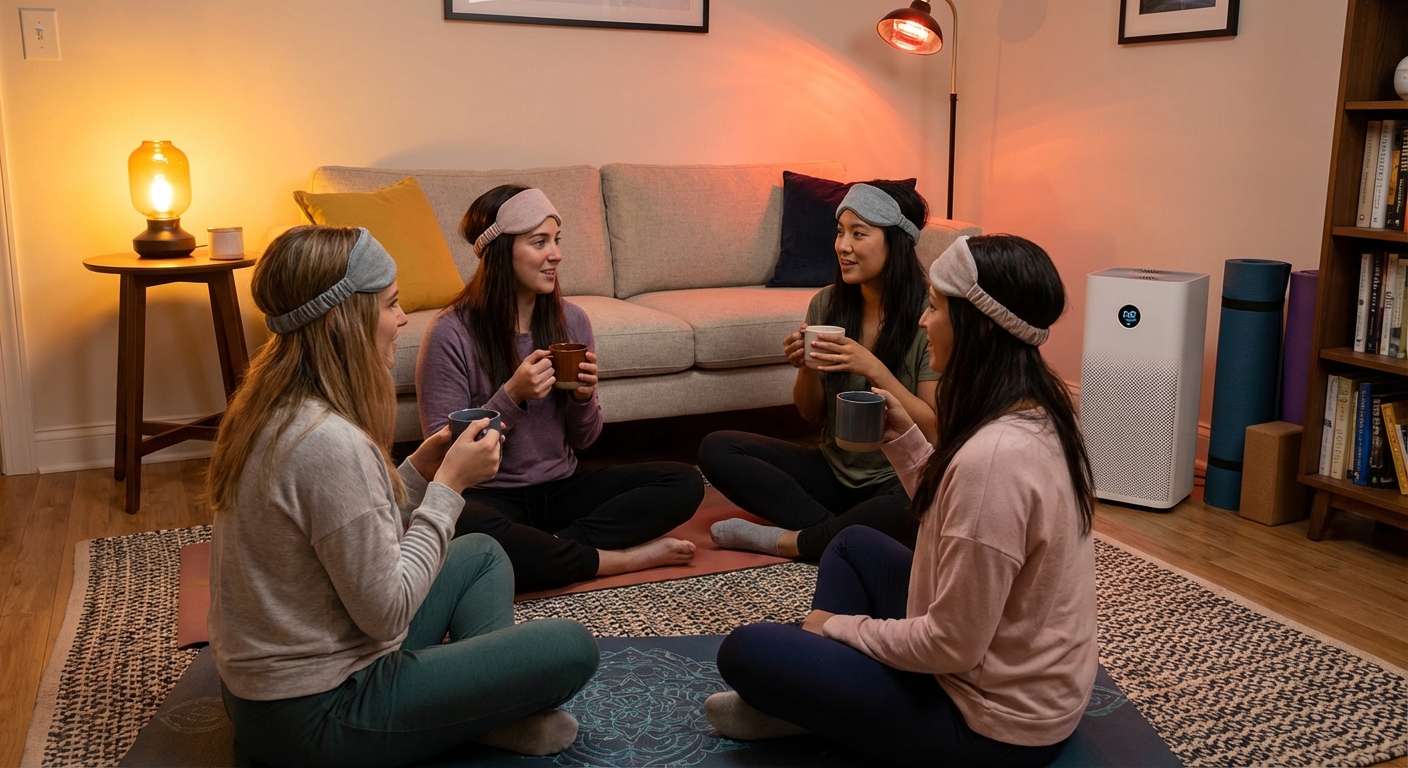
- Connection Ritual
- Walk + talk with a friend or family member
- Sober‑curious night out, mocktails instead of drinks
- Reset Block (60–90 Minutes)
- Deep clean a space, prep some food, do laundry, clear digital clutter
- This supports mental health more than an extra supplement ever will
How to Audit an Overloaded Wellness Routine
If your current wellness life feels maximalist, run this quick audit:
- List everything you “should” be doing for wellness.
- Mark each as: E (energizing), N (neutral), or D (draining) when you think about it.
- Circle items that have clear evidence or trackable benefits.
- Keep: E + evidence.
Modify or pause: N.
Drop: D, unless medically necessary.
You’ll likely find:
- A few habits are doing almost all the heavy lifting.
- Several are ego- or image-driven, not outcome-driven.
Where Minimalism Meets the Future of Wellness Tech
Minimalism doesn’t mean rejecting tech; it means using tech wisely.
Emerging possibilities:
- AI health copilots that condense your wearable, lab, and symptom data into 3–5 clear priorities.
- Apps that nudge you toward one high-impact choice per day instead of dozens.
- Smart defaults: devices that auto‑adjust notifications, lighting, or temperature to support sleep and focus.
As this matures, we’ll see less time spent in dashboards and more small nudges at the right time.
The Social Shift: Being Healthier Without Making It Your Personality
The soft-life and anti‑hustle movements are recoding what it means to be “that wellness person” in a friend group.
- It’s less about loudly opting out (“I would never eat that”).
- More about quietly designing your life for energy, emotional bandwidth, and presence.
The new flex:
- Leaving the party early because you like how good sleep feels
- Ordering the mocktail because you want a clear morning
- Saying no to another obligation because you protect your nervous system like an asset
Minimal Doesn’t Mean Mediocre
Wellness maximalism told us that more effort equals more virtue.
Wellness minimalism says:
- Identify what matters most for your healthspan and headspace.
- Do those things with boring consistency.
- Let go of the optics.
That’s not lazy—it’s strategic.
As the wellness industry continues to expand, the trend‑savvy move won’t be adopting every new hack. It will be knowing exactly what to ignore.