Why Your Old Wellness Routine Isn’t Working Anymore
If your wellness routine still looks like:
- 6 a.m. HIIT every day
- Random supplements from 2019 TikTok hauls
- Overcaffeinated mornings and doom‑scroll nights
—it’s probably out of sync with both current science and cultural shifts.
Consumers are savvier than ever: the 2024 Global Wellness Institute reports over 70% of wellness spenders now research products online before buying, often cross-checking influencers with pubmed links and expert commentary.
This guide blends the latest trends with evidence and practicality so you can build a 2025‑proof wellness routine that’s current, sustainable, and doesn’t take over your life.
Step 1: Choose Your Wellness North Stars
Wellness trends come and go. Your North Stars—the outcomes you care most about—shouldn’t.
Common 2025 North Stars:
- Energy & focus (brain fog is the new enemy)
- Longevity & prevention (inspired by Peter Attia, David Sinclair)
- Hormone & metabolic health (especially for women 25–45)
- Nervous-system regulation (burnout, anxiety, overstimulation)
Pick two main goals. For example: “stable energy” and “better sleep.” Every trend you try should serve those goals.
Step 2: Anchor to the Big 4 (Still Non‑Negotiable)
Trends evolve. These four pillars do not.
- Sleep – 7–9 hours, consistent timing.
- Movement – daily walking + 2–3 strength sessions per week.
- Nutrition – protein, fiber, minimally processed foods.
- Stress/Nervous-System Regulation – daily down‑regulation.
All the trending hacks (cold plunges, supplements, tech) are add‑ons, not substitutes.
Step 3: Plug in 2025 Trends—Intentionally
Here’s how to use current wellness trends to upgrade your week without turning life into a full‑time optimization project.
A. Morning: Light, Dopamine, and Metabolic Wins
2025 trend alignment: dopamine mornings, metabolic health, wearable‑guided routines.
1. 10–20 Minutes of Natural LightInfluenced by Huberman Lab, this is now foundational advice. Morning light:
- Anchors your circadian rhythm
- Improves sleep latency at night
- Boosts alertness and mood
Blend walk culture + dopamine control:
- 5–20 minute walk, ideally outside
- Phone on airplane mode or minimal use (podcast, music only)
Inspired by metabolic-health creators like Glucose Goddess and Dr. Casey Means:
- Target 25–35g of protein
- Add fiber and healthy fats to steady blood sugar
Example: Greek yogurt + berries + chia + nuts, or eggs + avocado + greens.
B. Midday: Focus, Movement Snacks, and Nervous-System Check‑Ins
2025 trend alignment: health stacks, walk culture, corporate wellness 2.0.
1. Movement SnacksShort bouts of movement throughout the day support glucose control and joint health.
Try:
- 5–10 squats or pushups every 60–90 minutes
- A 5–10 minute walk after lunch
Wellness is merging with productivity. Deep work blocks (popularized by Cal Newport) are being rebranded as attention hygiene.
- Work in 50–90 minute focus blocks
- Then 5–10 minutes off‑screen, ideally with movement
Borrowing from somatic therapy and breathwork trends:
- 1–3 minutes of box breathing (inhale 4 – hold 4 – exhale 4 – hold 4)
- Or 10 slow belly breaths with a longer exhale
C. Evening: Soft Wellness and Sleep‑First Habits
2025 trend alignment: soft wellness, sleep status, nervous-system aesthetics.
1. A “Soft Landing” After WorkThink of it as a buffer zone:
- Change clothes, wash your face, or step outside for 5 minutes
- No heavy conversations or to‑do lists for the first 15 minutes at home
Blend #sleeptok and nervous-system care:
- Dim lights (warm bulbs > overheads)
- No intense emails or work
- Optional: reading, stretching, or a warm shower
Instead of “no screens after 7 p.m.” (for most, unrealistic):
- Turn on night shift or blue‑light filters at sunset
- Choose one phone‑free block: last 30–45 minutes before bed
Step 4: Curate Your Supplements and Devices Like a Pro
Wellness in 2025 is tech‑ and product‑heavy. But more is not better.
Smart Supplement Strategy
Ask two questions:
- Does this align with my two North Stars?
- Is there at least some human data backing its use for my goal?
Common, relatively evidence‑supported options:
- Vitamin D (if deficient)
- Omega‑3s for heart and brain health
- Creatine for strength, cognition, and aging
- Magnesium glycinate or taurate for sleep and relaxation
Skip or be skeptical of:
- Proprietary blends with unclear doses
- Overlapping products (five different “calm” supplements)
Tech: What’s Worth It?
More people than ever own wearables—Pew reports 1 in 3 adults in the US use them.
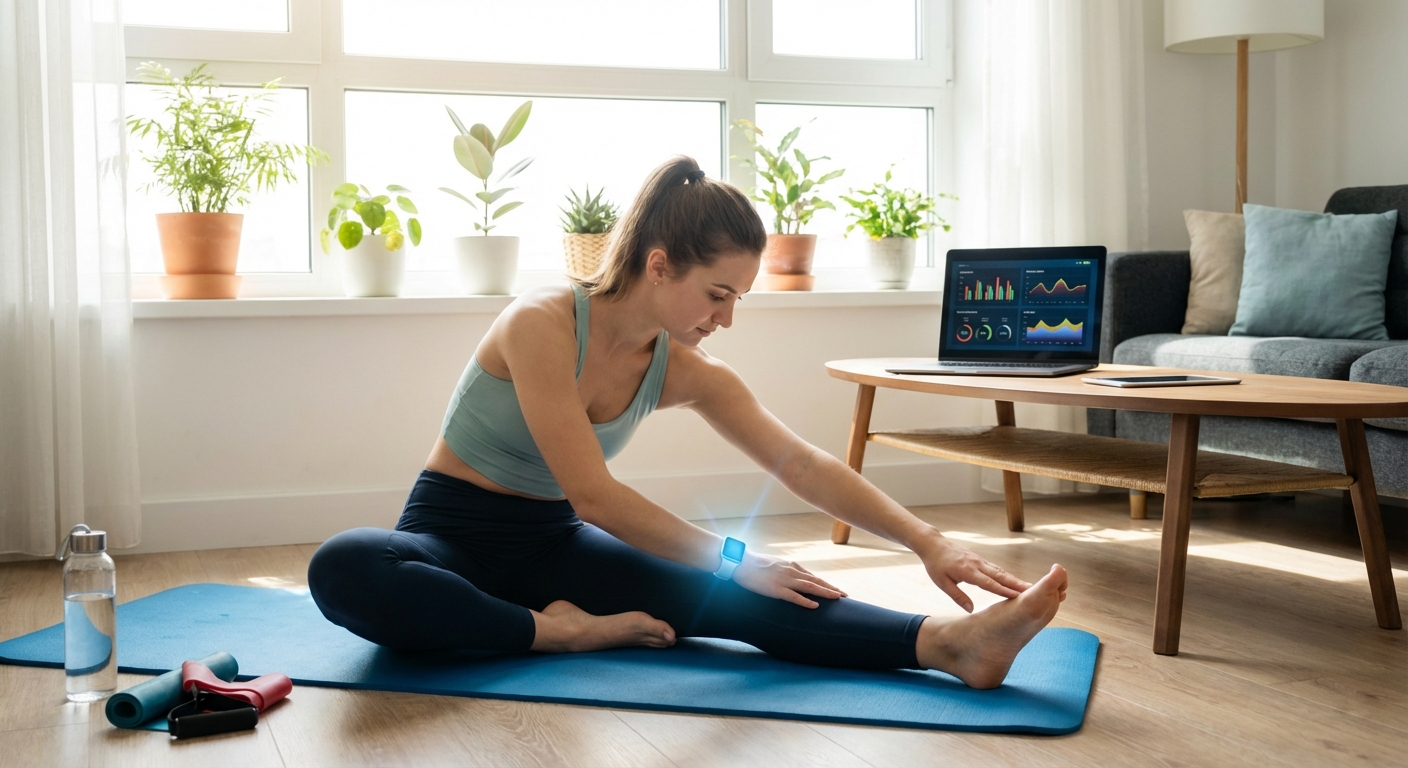
High‑yield devices:- A basic wearable (Oura, WHOOP, Apple Watch) if you like data
- A sunrise alarm clock if mornings are hard
- Cheap but powerful: $10 blue‑light‑blocking glasses for night screen time
Step 5: Integrate Mental Health as a Daily Practice, Not a Crisis Tool
Mental health creators and therapists on platforms like TikTok and Instagram have normalized daily emotional hygiene.
Borrow from therapists like Nedra Glover Tawwab, Dr. Julie Smith, and The Holistic Psychologist:
- One boundary practice per week (saying no, limiting after‑hours communication)
- One emotional check‑in per day: “What am I feeling? What do I need?”
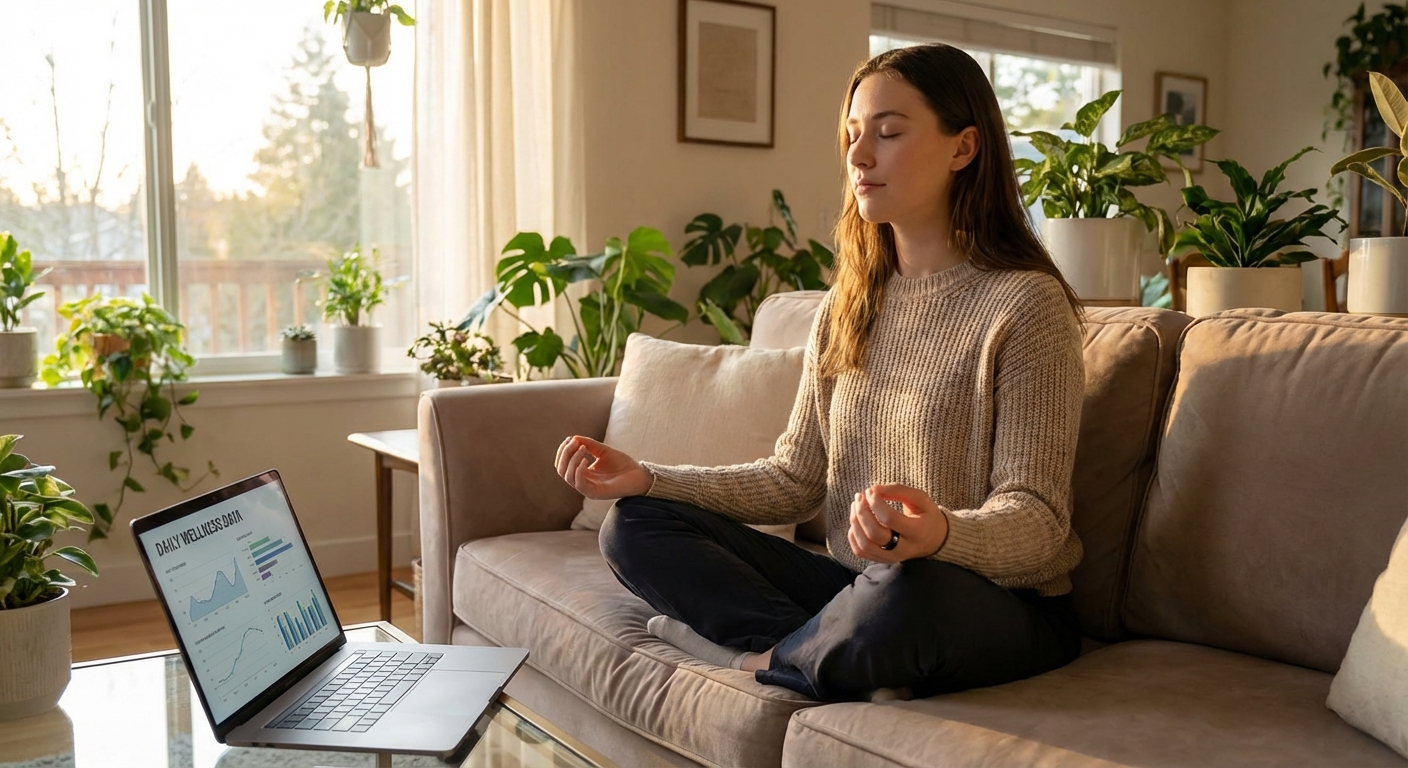
- One nervous-system down‑regulation ritual (breathwork, Yin yoga, journaling)
Use apps like Insight Timer, Calm, or Open for 5–10 minute guided sessions.
Step 6: Make It Social—Without Losing Yourself in Trend Chasing
Wellness has become deeply social:
- Walking clubs forming via Instagram DMs
- Friend‑group cold plunges
- Mocktail nights instead of bar crawls
Leverage this:
- Start a weekly walk + talk with one friend
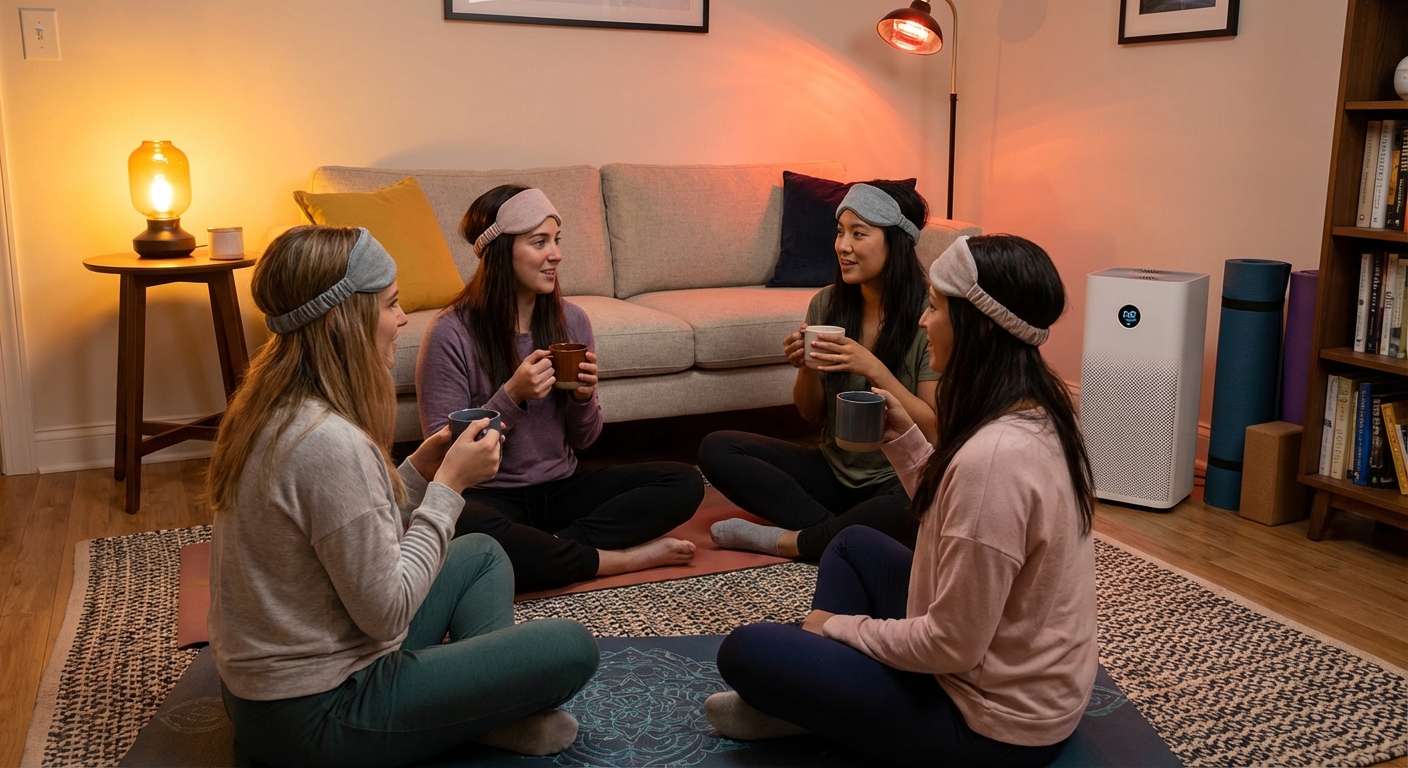
- Swap one night out for an at‑home wellness night (mocktails, face masks, movie)
- Join one online community hosted by a credible expert—look for RDs, MDs, or qualified coaches
But: unfollow or mute accounts that make you feel perpetually behind or not enough.
Step 7: Run Your Life Like a Low‑Key Wellness Experiment
Instead of copying your favorite influencer’s exact protocol, think like a curious scientist.
- Pick a focus (e.g., better sleep) for 2–4 weeks.
- Choose 2–3 interventions aligned with trends but grounded in evidence (e.g., morning light, magnesium, no caffeine after 2 p.m.).
- Track 2–3 outcomes: energy, mood, sleep quality, productivity.
- Keep what works, drop what doesn’t.
Trends become tools—not rules.
A Sample 2025‑Proof Wellness Week
Here’s how it might look when it all comes together.
Daily:- 10–20 minutes of morning light + short walk
- Protein-rich breakfast
- Movement snacks every 60–90 minutes
- One nervous-system practice (breathwork, stretching, or short meditation)
- Phone‑light 30–45 minutes before bed
- 2–3 strength-training sessions
- 1–2 cardio or longer walks
- One social wellness activity (walk date, mocktail night, class)
- One mini‑reset (bath, yoga nidra, or deep clean of your space)
The Bottom Line: Trend‑Aligned, You‑Centered
Wellness in 2025 is crowded, noisy, and often contradictory. But underneath the aesthetics and algorithms, a pattern is clear:
- Science is cooler than hype.
- Regulation beats relentless optimization.
- Sustainability outruns short-term intensity.
Use trends as a menu, not a mandate. Build a routine that looks good on your calendar, not just on your feed—and one your future self will quietly thank you for.