The Wellness Reset: Why 2025 Feels Different
The wellness world has grown up. After a decade of hustle culture, step-count obsession, and picture-perfect morning routines, trend-conscious consumers are rewriting the rules. The new wellness is less about performance and more about sustainable, science-informed self‑regulation.
According to McKinsey’s 2024 Future of Wellness report, the global wellness market has passed $1.8 trillion, with about 50% of consumers increasing their wellness spend year‑over‑year. But how and where they’re spending has shifted dramatically:
- Less on aesthetics-only fixes, more on mental health and recovery
- Less on restrictive diets, more on metabolic health and blood-sugar stability
- Less on generic fitness plans, more on hyper‑personalized protocols
Welcome to the era where biohacking and “soft wellness” coexist—and where nuance is finally a trend.
Trend 1: Biohacking Goes Mainstream (and Softer)
Once a niche Silicon Valley obsession, biohacking has slipped into everyday language. But it’s evolving from extreme self-experimentation into accessible, data-informed optimization.
Everyday Biohacking Tools
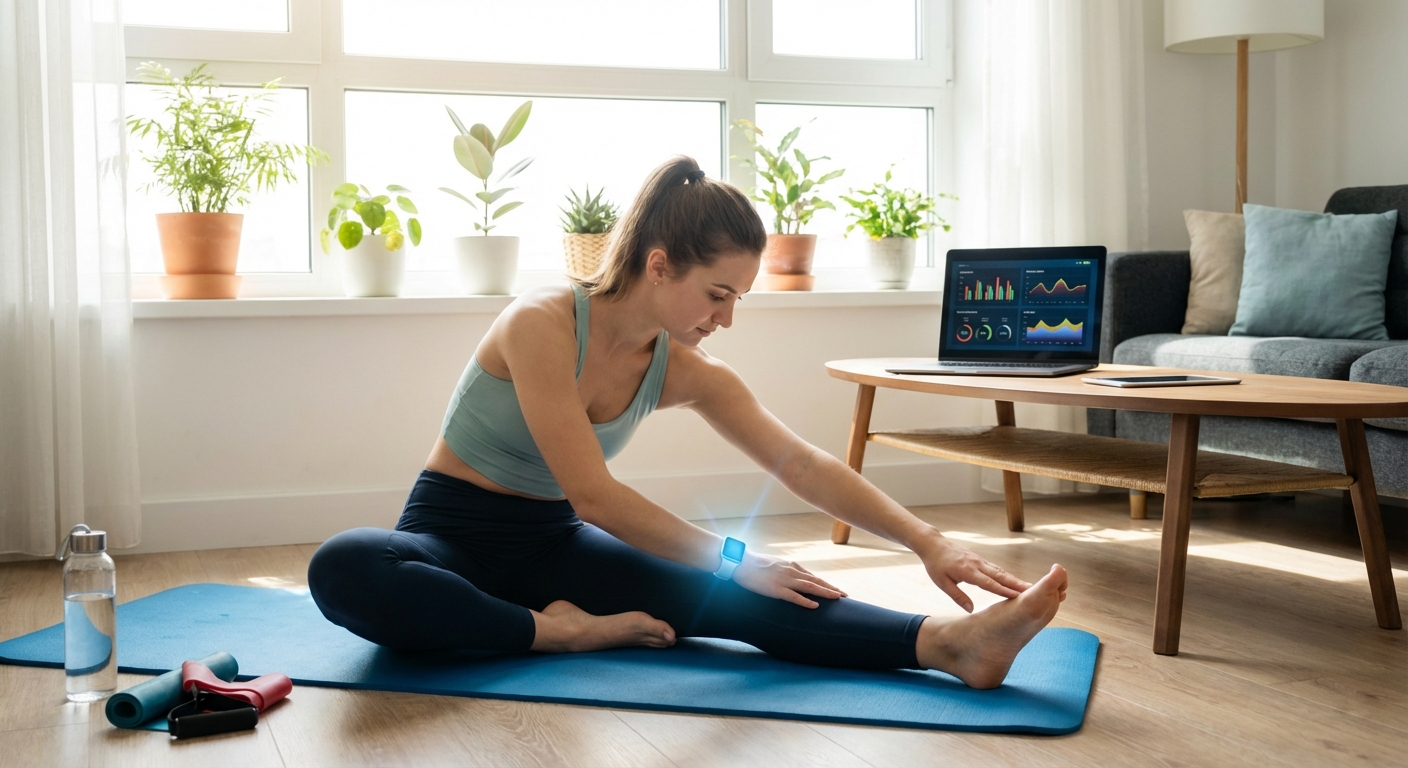
- Wearables 3.0: Oura, WHOOP, and Apple Watch have normalized sleep scores and HRV (heart rate variability) as conversational currency. A 2024 Pew survey found 31% of US adults now use a wearable health tracker, up from 21% in 2019.
- Continuous Glucose Monitors (CGMs): Startups like Levels and Nutrisense have popularized CGMs for non-diabetics, positioning them as a way to optimize energy, focus, and long-term metabolic health.
- At-home lab testing: Companies like InsideTracker and Thorne are pushing personalized blood, microbiome, and hormone panels.
Biohacking influencers such as Dave Asprey (the self-titled “father of biohacking”) and Andrew Huberman, PhD, have made long-form, science-heavy health content trend on YouTube and Spotify. But even they now talk more about sleep, light exposure, and nervous system regulation than about extreme hacks.
> “We’re seeing a pivot from optimization at all costs to optimization that’s compatible with a real life,” says Dr. Maya Sethi, a functional medicine physician based in London. “The wellness consumer in 2025 doesn’t want 40-step routines—they want the 3–5 levers that actually move the needle.”
Key takeaway: Biohacking is no longer fringe, but it’s also less intense. Think: blue-light blocking, cold showers, and morning sunlight over cryo chambers and IV drips.
Trend 2: ‘Soft Wellness’ and the Rise of Anti‑Hustle Health
In reaction to years of performance-driven wellness, a counterculture has emerged: soft wellness. It’s part nervous-system care, part aesthetic, part rebellion against grind culture.
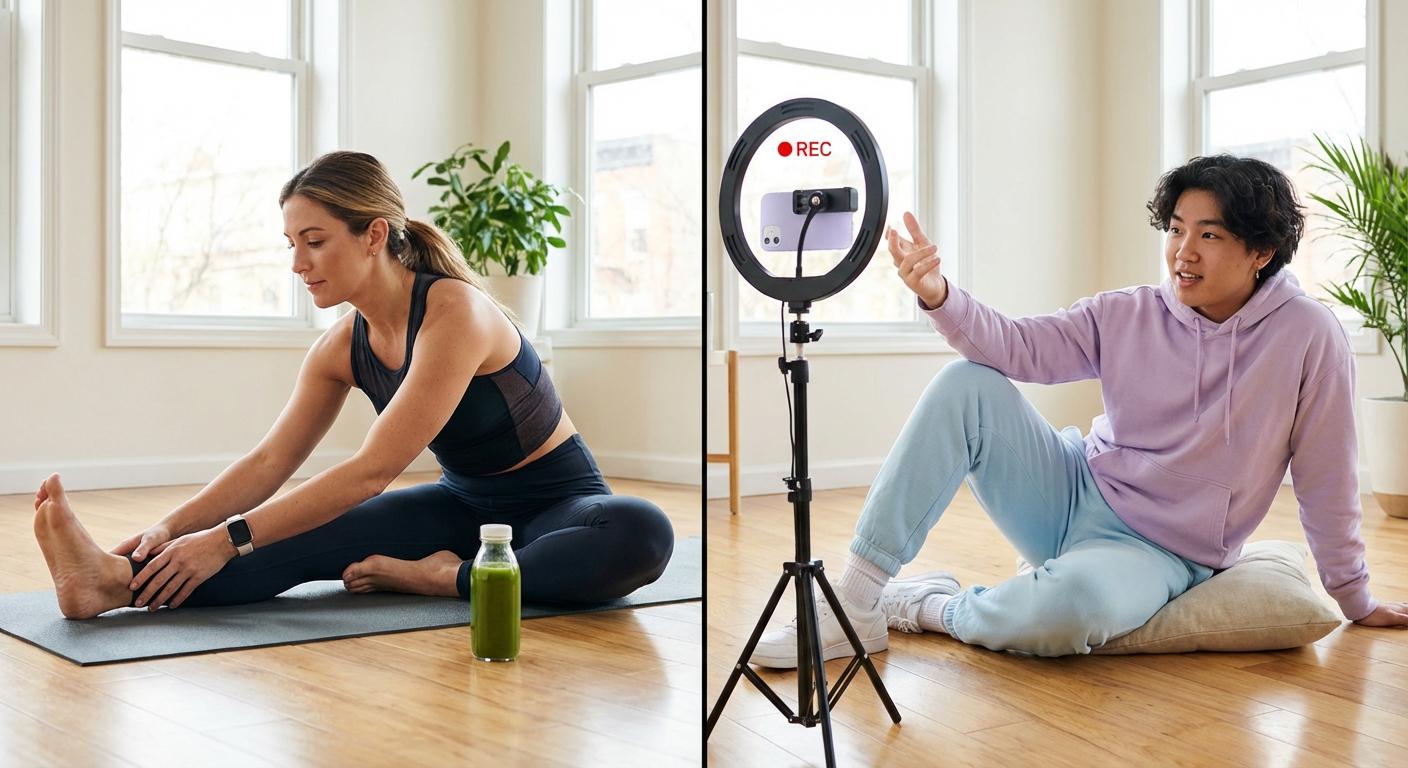
On TikTok, hashtags like #softlife (over 1.7B views) and #slowgirlwellness trend alongside high-intensity fitness clips. Creator @lyssielou describes soft wellness as “doing what feels good and sustainable for your nervous system, not what looks impressive on Instagram.”
Core pillars of soft wellness:
- Nervous system literacy – understanding burnout, sensory overload, and the importance of down‑regulation
- Gentle, consistent habits – walking, mobility, Yin yoga, stretching, and realistic bedtime routines
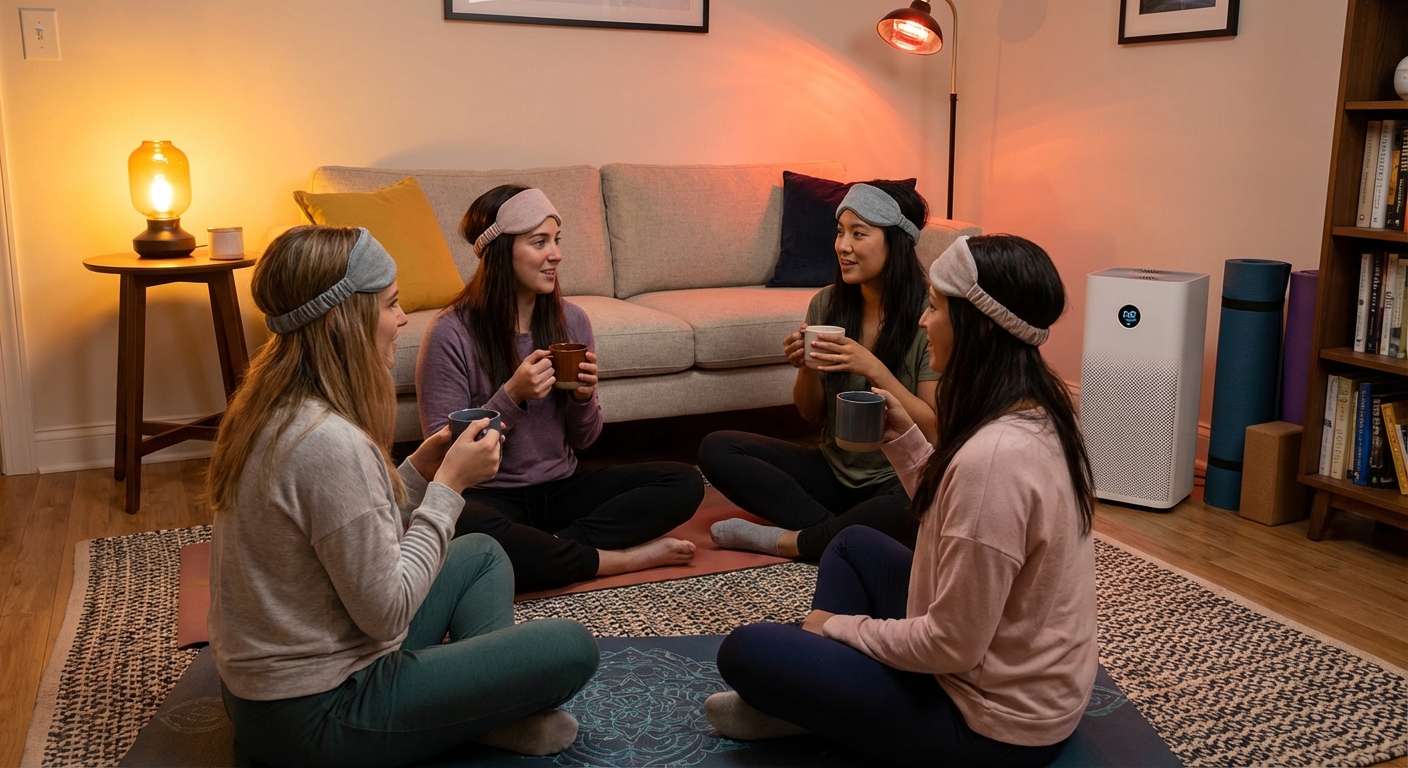
- Boundaries as biohacks – turning off notifications, “quiet quitting” overwork, designing low‑stim evenings
Gallup’s Global Emotions Report notes that stress remains at record highs globally, and Gen Z reports the highest levels of anxiety and burnout. Soft wellness is less about escaping reality and more about making real life livable.
> “The trend is moving from self‑optimization to self‑regulation,” says licensed therapist and content creator Nedra Glover Tawwab. “People are realizing that feeling safe and grounded is the foundation of any wellness practice.”
Trend 3: Metabolic Health Is the New Diet Culture (Without Calling It That)
Traditional dieting is out; metabolic health is in. Google Trends data shows a steady decline in searches for “diet plans” but a sharp rise in queries for terms like “blood sugar balance,” “insulin resistance,” and “metabolic flexibility.”
Driving forces:
- The explosion of GLP‑1 medications (Ozempic, Wegovy, Mounjaro) and widespread discussion about obesity as a metabolic disease
- Influencers like Glucose Goddess (Jessie Inchauspé) popularizing blood sugar hacks—like eating veggies first and going on a “10-minute walk” after meals—to reduce glucose spikes
- More mainstream coverage of PCOS, insulin resistance, and prediabetes
Rather than calorie counting, the new wellness vernacular includes:
- Protein targeting (aiming for 25–35g per meal)
- Fiber goals (30–40g/day)
- Meal sequencing (veg → protein/fats → starches)
82% of consumers in a 2024 FMCG Gurus report said they are now “actively looking to manage blood sugar” even without a diagnosis.
Prediction: Expect more metabolic-friendly product lines—low‑GI snacks, blood-sugar-stable beverages, and restaurant menus with glucose data built in.
Trend 4: Mental Health, But Make It Multi-Dimensional
Mental health is no longer siloed as therapy and medication. It’s being integrated into every layer of wellness.
What’s emerging:
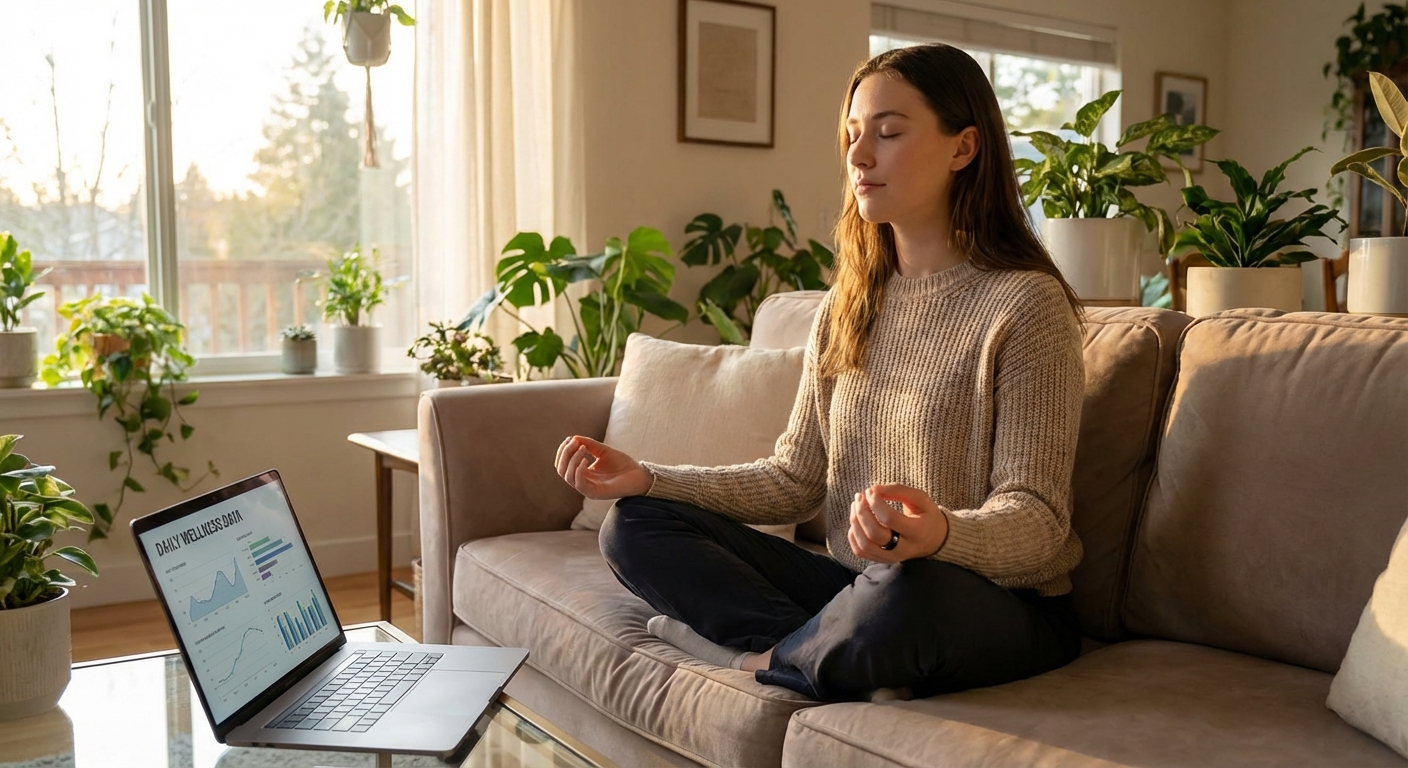
- Somatic practices: TRE (Tension & Trauma Releasing Exercises), breathwork, and trauma-informed yoga are trending on platforms like Insight Timer and YouTube.
- Digital-first therapy hybrids: Apps like BetterHelp and Talkspace are now sharing cultural cachet with creators like Dr. Julie Smith, The Holistic Psychologist (Nicole LePera), and Jay Shetty, who blend psychology, spirituality, and habit formation.
- Psychedelic‑curious mainstream: Decriminalization experiments and clinical trials around psilocybin and MDMA are fueling a future-facing conversation—though mainstream access remains tightly regulated.
A 2024 American Psychological Association survey found that 70% of Gen Z adults say they follow at least one mental-health-focused creator online.
> “We’re moving from mental health as crisis response to mental fitness as a lifestyle,” says psychiatrist Dr. Aaron Kwan. “It’s as normal to talk about nervous system regulation as steps or macros in certain circles.”
Trend 5: The New Wellness Flex Is Doing Less, Better
Wellness used to be about stacking habits. Now the status symbol is discernment:
- Knowing which supplements actually matter for you
- Knowing when you need a workout—and when you need a nap
- Knowing which trends to ignore
Influencer Emma Chamberlain openly discusses therapy, boundaries, and ditching perfectionism. Matilda Djerf leans into the calm, slower "Scandi-soft" lifestyle. The vibe is aspirational, but not in a 5 a.m. club kind of way.
Brands are responding by:
- Offering fewer products with stronger clinical backing
- Building education-first funnels (podcasts, Substacks, long-form essays)
- Partnering with credible experts, not just aesthetic influencers
What’s Next: Predictions for the Next 3–5 Years
- Lab‑Lite Personalization
At-home biomarkers (wearables, saliva, and finger-prick tests) will combine into unified dashboards. Expect AI‑powered “health copilots” that suggest high-yield changes rather than long lists.
- Corporate Wellness 2.0
Companies will move beyond superficial wellness perks to measurable outcomes: burnout-reduction metrics, meeting‑free blocks, and focus on sleep and recovery.
- Nervous System Mainstreaming
Terms like “polyvagal theory,” “window of tolerance,” and “somatic release” will go from therapist-speak to TikTok common sense.
- Regulated Psychedelic Wellness
Not mainstream spa offerings, but licensed, clinical-adjacent experiences blending psychotherapy, integration coaching, and nervous-system support.
- Less Aesthetic Wellness, More Quiet Wealth of Health
As flex culture matures, the most on‑trend wellness won’t always be visible: good lab work, stable moods, sustainable energy, and time freedom.
How to Plug Into the New Wellness—Without Burning Out
If you want to ride the wave without getting lost in it:
- Pick one data point to track (sleep, steps, HRV, or blood sugar) instead of all of them.
- Add one nervous-system habit: 10-minute morning sunlight, 5 minutes of breathwork, or a no‑phone walk.
- Upgrade one meal a day with more protein and fiber.
- Audit your wellness inputs: follow 3–5 experts whose values and evidence standards you trust, and mute the rest.
The new wellness flex isn’t doing everything. It’s knowing what truly supports your body and mind—and having the confidence to let go of the rest.