Why Micro‑Trends Matter in Wellness
Wellness is no longer dominated by a few big ideas like “go keto” or “hit 10,000 steps.” Instead, it’s a constellation of micro‑trends—smaller, fast-moving shifts that quietly change how we eat, recover, sleep, and socialize.
These micro‑movements are often born on TikTok and Instagram, tested in Reddit threads, and then validated (or debunked) by experts on podcasts and Substacks. Brands follow in their wake. Here are 12 wellness micro‑trends that are shaping 2025—and which ones might actually be worth your time.
1. Sleep Is the New Flex (and the New Status Symbol)
Forget bragging about all‑nighters. The new power move is an 85+ sleep score.
- Oura reported that over 1 million users check their sleep metrics daily.
- TikTok’s #sleeptok has billions of views, filled with sleep routines, melatonin debates, and “sleep hygiene” hacks.
Influence from: Dr. Matthew Walker (author of Why We Sleep), Andrew Huberman, and sleep coaches sharing “revenge bedtime procrastination” content.
Worth it? Yes—sleep remains one of the highest‑ROI health habits. Try: Consistent sleep/wake times, dimming lights 1–2 hours before bed, aiming for 7–9 hours.2. Cold Plunges and Contrast Therapy
Cold plunging migrated from elite athletes to suburban backyards.
- Searches for “cold plunge tub” have more than tripled since 2021, according to Google Trends.
- Creators like Wim Hof and Joe Rogan’s guest lineup helped normalize ice baths as a mental toughness ritual.
What the science actually says:
- Short cold exposure (1–3 minutes at 10–15°C) can improve alertness and mood via norepinephrine release.
- Post‑workout ice baths may slightly blunt hypertrophy if overused.
3. Dopamine Mornings and ‘No-Scroll’ Start Routines
There’s growing awareness that waking up and immediately diving into your phone is a nervous-system disaster.
Influencers like Mel Robbins and Jay Shetty promote phone‑free first hours, while neuroscientists explain dopamine regulation and attention control.
Common dopamine‑friendly morning swaps:
- Sunlight + movement before screens
- Journaling or reading over social scrolling
- Protein-forward breakfast instead of sugary convenience foods
4. Gutsy Behavior: Gut Health as a Lifestyle Identity
Gut health has moved way beyond kombucha.
- The global gut-health products market is projected to hit $90+ billion by 2030.
- Creators like Dr. Megan Rossi (The Gut Health Doctor) and Dr. Will Bulsiewicz popularize fiber diversity and fermented foods.
Trending gut habits:
- “Eat 30 plants per week” challenges
- Fermented foods (kimchi, kefir, miso) normalized as pantry staples
- Less juice “cleansing,” more microbiome‑supportive eating
5. Walk Culture and the ‘Hot Girl Walk’ Legacy
What started as the “hot girl walk” on TikTok has matured into walk culture: low‑impact, social, and mentally restorative.
- A 2023 JAMA study found that as few as 3,967 steps/day is associated with reduced mortality—far below the old 10K target.
- Walking content now intersects with fashion (#walkfit, #officewalks) and mental health.
Influencers like @thatgirlygrace and @notskinnybutnotfat popularize daily walking as both aesthetic and mental hygiene.
Worth it? Absolutely. Walking remains one of the most accessible wellness tools.6. ‘Healthy Girl Cocktails’ and Sober‑Curious Socializing
The sober‑curious and “damp lifestyle” movements have put wellness at the center of nightlife.
- Nielsen data shows non-alcoholic beverage sales up over 30% year‑on‑year.
- TikTok’s #healthygirlcocktail trend features mocktails spiked with electrolytes, collagen, and adaptogens.
Influence from:
- Kin Euphorics (co-founded by Bella Hadid)
- Athletic Brewing Co. and non‑alcoholic spirits like Seedlip
- Creators sharing “hangxiety” stories and alcohol boundaries
7. Nervous System Aesthetics: Cozy, Regulated, and Slow
Pinterest’s 2024 trend report flagged “comfort-core” interiors, aligning with the nervous-system regulation trend.
Wellness meets design via:
- Warm lighting, fewer harsh overheads
- Soft textures, weighted blankets, and sensory‑friendly spaces
- “Screen‑light zoning” in homes (bright work areas, dim tech‑free recovery zones)
8. Functional Mock Snacks: Protein Chips, Fiber Sodas, and Adaptogen Everything
Wellness snacks went from low‑fat to high‑protein to now functional.
Look for:
- Prebiotic sodas (e.g., Olipop, Poppi) marketed for gut health
- Protein ice creams and chips focused on macros over calories
- Adaptogen-laced chocolates and beverages promising “calm energy”
A 2024 FMCG survey found 62% of consumers seek added health benefits from snacks.
Worth it? Read labels. Some options are great upgrades; others are candy with branding.9. Skin Cycling and Barrier‑First Beauty
Dermatologist Dr. Whitney Bowe helped popularize skin cycling, a structured rotation of actives and recovery nights.
The micro‑trend evolution:
- Ceramides, niacinamide, and simple moisturizers over 10‑step routines
- SPF and barrier support as the new “anti‑aging” baseline
- Less harsh daily exfoliation, more cycling retinoids and acids
10. Micro‑Retreats and ‘Wellness Hours’ Instead of Wellness Vacations
Not everyone can do a $5,000 yoga retreat in Costa Rica.
Enter: micro‑retreats and “wellness hours”:
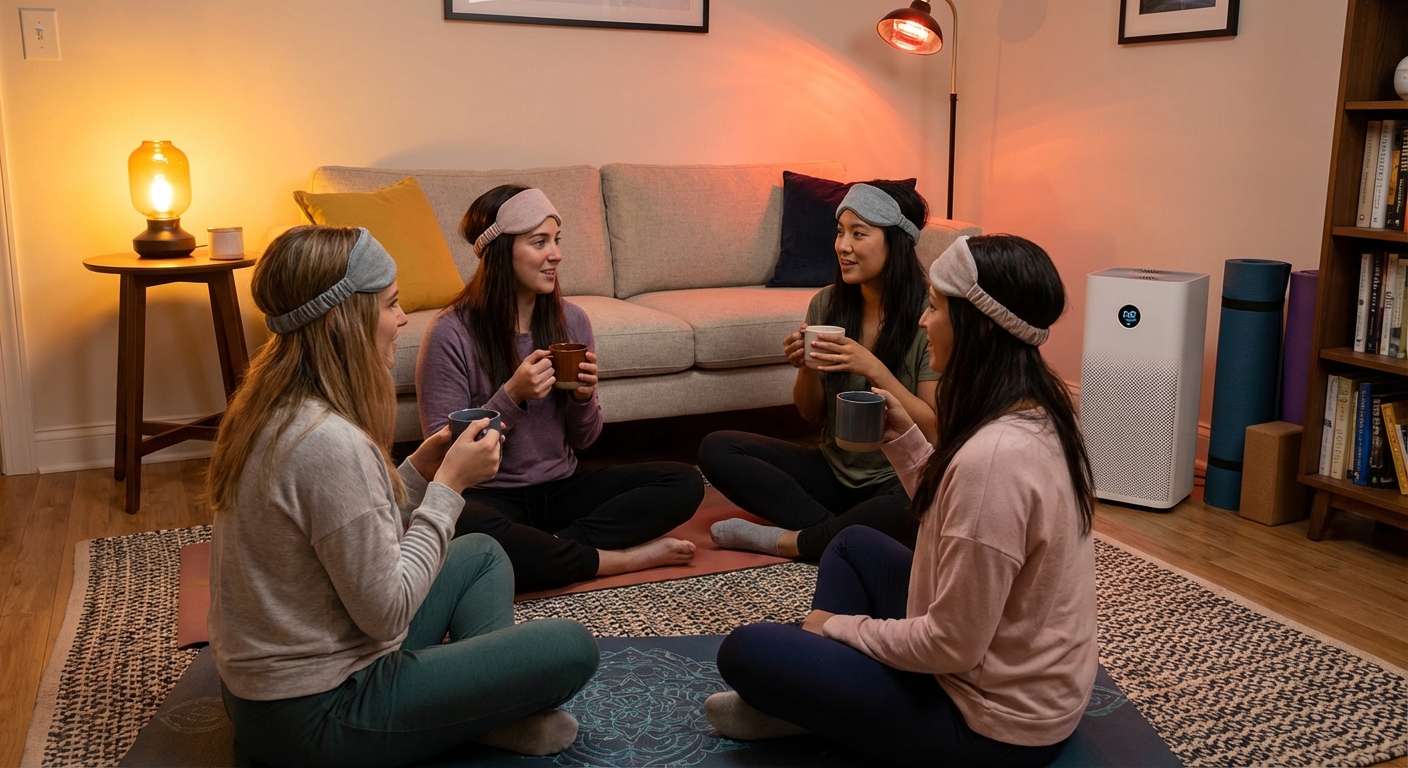
- Half-day local retreats focusing on breathwork, sound baths, or nervous‑system reset
- Solo “wellness dates” (one hour in nature, a bath + book ritual, or a digital detox window)
- Company-sponsored 2–3 hour guided reset sessions rather than one‑off wellness perks
11. Cycle Syncing and Hormone‑Savvy Routines
Hormone‑aware living has gone mainstream, especially among millennial and Gen Z women.
Popularized by:
- Alisa Vitti (In the Flo), Lara Briden, and Dr. Jolene Brighten
- Apps and planners that align workouts, social plans, and workloads to menstrual phases
Emerging behaviors:
- Heavier lifting in follicular/ovulatory phases, more restorative work in luteal
- Adjusted caffeine and alcohol around hormonal sensitivity
12. “Health Stacks” and Protocol Culture
Wellness creators now share “stacks”—a combination of habits, supplements, and routines targeted at one goal (focus, sleep, skin, longevity).
Example stacks:
- Morning focus stack: light exposure, caffeine timing, L‑theanine, focused deep work block
- Sleep stack: magnesium, blue‑light reduction, hot shower, reading, breathwork
Dr. Peter Attia’s longevity protocols and Huberman’s layered routines drive this movement.
Worth it? Could be—if simplified. Over‑stacking can become exhausting and expensive.How to Navigate Micro‑Trends Without Losing Your Mind
To stay current and sane:
- Anchor to basics: sleep, movement, whole foods, stress management.
- Test one micro‑trend at a time for 2–4 weeks.
- Watch for signals: better energy, sleep, mood, digestion? Keep it. No change or extra stress? Drop it.
- Follow a few evidence‑literate experts—dietitians, MDs, physiologists—who translate research, not just aesthetics.
Micro‑trends will keep evolving, but your framework can stay the same: experiment thoughtfully, track how you feel, and treat trends as tools—not identities.