Wellness Has a Generation Gap Now
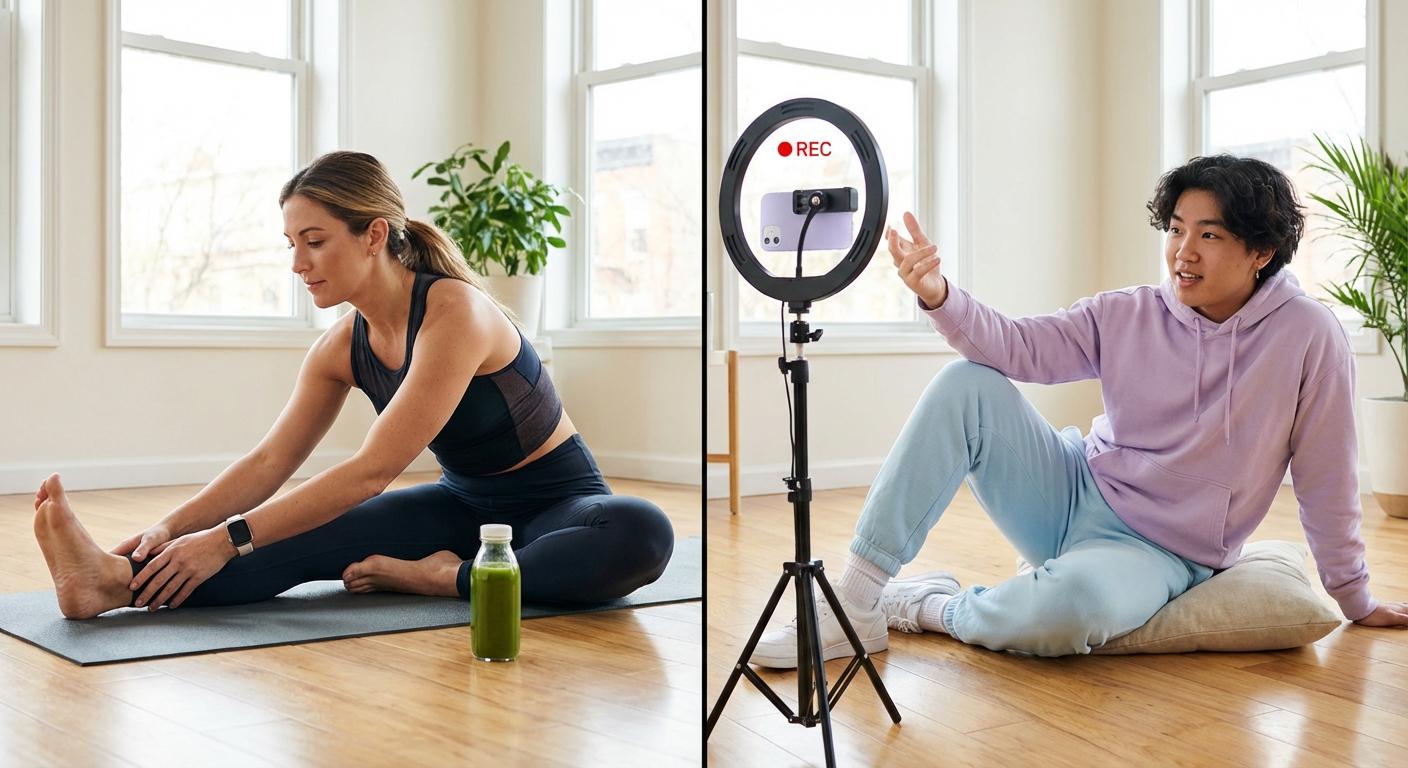
Wellness isn’t one monolithic culture anymore. It’s split across generations—with Gen Z and Millennials driving two distinct, overlapping, and sometimes clashing wellness styles.
According to a 2024 report by the Global Wellness Institute, consumers aged 18–40 account for over 60% of global wellness spending, but how they spend is diverging:
- Gen Z (roughly 12–27) tends to favor low‑cost, highly online, values‑driven practices.
- Millennials (approx. 28–43) lean into structured programs, premium experiences, and evidence-heavy content.
Here’s how the two groups compare across the major wellness battlegrounds—and what that means for the future of the industry.
1. Aesthetics vs Regulation: From Look‑Driven to Feel‑Driven
Millennials: From #Fitspo to Function
Millennials came of age in the #fitspo and diet culture era:
- Gym selfies, macro tracking, and before‑and‑after photos were everywhere.
- Boutique fitness (Barry’s, SoulCycle, Orangetheory) peaked in cultural relevance.
But many are now in their 30s and 40s—and their wellness priorities have shifted:
- Less about abs, more about joints, energy, sleep, and longevity.
- Willing to pay for physios, lab testing, strength coaching, and specialized gear if it preserves long‑term function.
Influencers: Kayla Itsines (evolved from bikini body guides to strength and health), Jordan Syatt, Natacha Océane (science-informed training).
Gen Z: Nervous-System First, Aesthetic Second
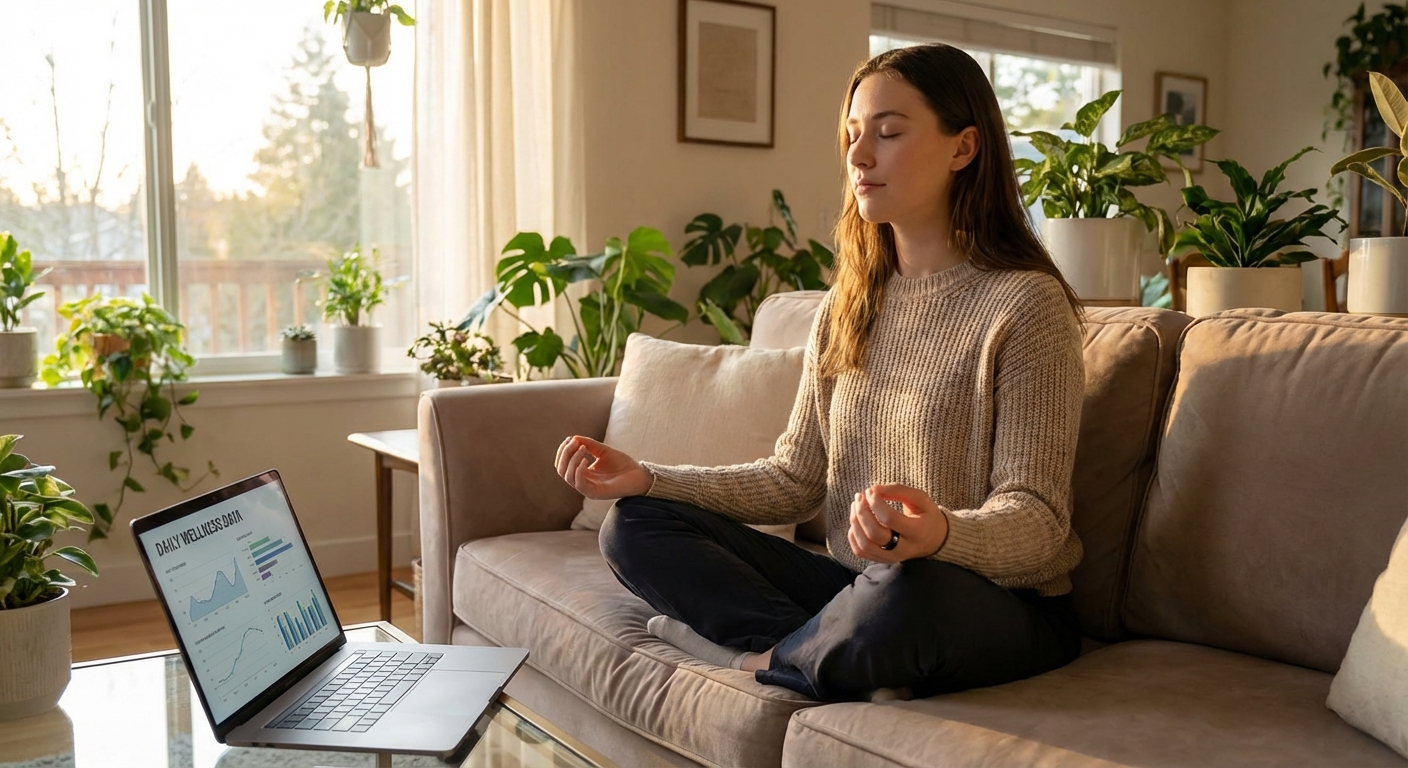
Gen Z grew up watching their parents burn out. Their wellness is more about burnout prevention and emotional survival.
- #mentalhealth, #selfcare, and #softlife content dominates their feeds.
- They value relatable, messy transparency over perfect bodies.
Influencers: Emma Chamberlain, Madeline Argy, and TikTok therapists who normalize anxiety, depression, and ADHD.
Key difference: Millennials ask, “How can I optimize my body?” Gen Z asks, “How can I make my body and mind feel safe?”
2. Fitness: Intensity vs Intuition
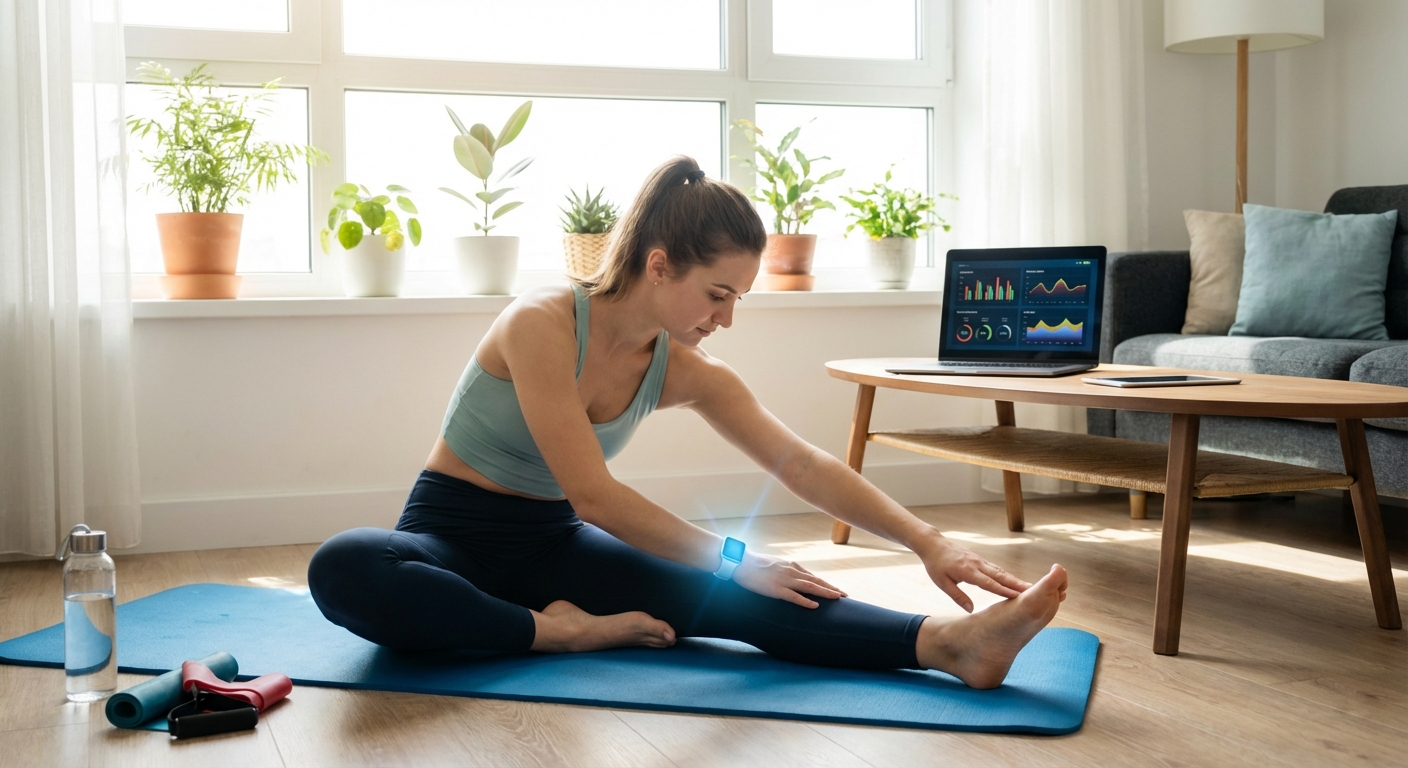
Millennials: Structured, Data‑Driven Training
Millennials love a plan:
- Periodized strength programs
- Peloton stats, Strava segments, WHOOP recovery scores
- Smartwatches as a daily non‑negotiable
A 2023 Statista survey showed over 40% of 25–40 year‑olds use fitness or health apps weekly.
They’re more likely to:
- Hit specific strength or race goals
- Pay for coaching or programming
- Care about progressive overload and metrics
Gen Z: Vibey Movement and Walk Culture
Gen Z’s signature workouts often include:
- Hot girl walks and aesthetic walking fits
- Dance workouts found on TikTok
- Pilates, mobility, and low‑impact strength
They’re more likely to:
- Mix and match free content from influencers
- Prioritize vibe, music, and environment over progressive load
- Quit plans that feel too rigid or punishing
Gen Z creators like @pilateswithsoph and @maddiesmovement champion lower‑impact, form-focused routines.
Where they converge: both generations are embracing strength training as a non-negotiable, especially women. The aesthetic may differ, but the barbell is in.3. Food and Metabolism: Diet Culture vs Metabolic Literacy
Millennials: Recovery from Diet Whiplash
Millennials lived through:
- Low‑fat 90s
- Low‑carb 2000s
- Paleo, Whole30, intermittent fasting, keto
Many are now in the post-diet recovery phase:
- Exploring intuitive eating and weight-neutral approaches
- Focusing on protein, fiber, and metabolic health instead of strict rules
Popular voices: Dietitian Abbey Sharp, Dr. Rupy Aujla, Glucose Goddess, and longevity-focused doctors.
Gen Z: Mental Health Meets Nutrition
Gen Z connects nutrition directly to mood, focus, and anxiety.
They gravitate toward:
- Quick, snackable content on blood sugar spikes
- Anti‑inflammatory recipes on TikTok
- “Brain food” trends: omega‑3s, magnesium, B‑vitamins
But they’re also vulnerable to:
- Food fear from alarmist content
- Viral myths (“seed oils are poison,” “fruit is sugar”) shared without context
4. Mental Health: Therapy Culture vs Self-Diagnosis TikTok
Millennials: Therapy‑Positive, Time‑Poor
Millennials helped mainstream therapy:
- Talkspace, BetterHelp, and in‑office sessions
- Podcasts with therapists and psychiatrists
But they’re also:
- Juggling careers, parenthood, and caregiving
- Struggling to find time and affordable care
They often use podcasts, books, and coaching as adjuncts when therapy access is limited.
Gen Z: Hyper‑Online Mental Health
Gen Z’s mental-health ecosystem is online:
- TikTok therapists (Dr. Julie Smith, Dr. Courtney Tracy)
- Short-form explainers on trauma, attachment styles, ADHD, autism
A 2022 APA poll found 90% of Gen Z adults report stress or anxiety impacts their daily life, but many still face waits or costs for formal support.
Common ground: Both generations are unusually candid about mental health compared to previous cohorts—and expect employers, schools, and brands to take it seriously.5. Money, Access, and the Wellness Spend Split
Millennials: Premiumizing Health
Millennials, especially higher-income segments, treat wellness as a primary investment category:
- Boutique studios, smart home gyms, supplements, retreats
- Lab testing, functional medicine, high-end skincare
They’re targeted by biohacking brands and longevity clinics.
Gen Z: Budget Wellness, High Taste
Gen Z often has less disposable income—but sharp taste and high expectations.
They prefer:
- Free or low-cost habits (walking, YouTube workouts, at‑home skincare)
- Dupe culture: finding budget alternatives to luxury wellness products
- Thrifted athleisure, minimal gear, multipurpose items
But they will spend on:
- Skincare with strong TikTok validation
- Mental health (coaching, therapy, apps) if they can afford it
Brands like CeraVe, The Ordinary, and Differin won Gen Z loyalty by offering dermatology-backed formulas without luxury markups.
6. Influencers and Experts: Who Each Generation Trusts
Millennials
Trusts:
- Long‑form podcasters (Peter Attia, Andrew Huberman)
- MDs, RDs, PhDs with clear credentials
- Creators who cite studies, not just vibes
Millennials will listen to 90‑minute podcasts on metabolic pathways and hormone cascades, then adjust protocols accordingly.
Gen Z
Trusts:
- Relatable creators with authentic storytelling and visible imperfection
- Short-form explainers with high clarity and emotional resonance
- Comment sections and community consensus
They care deeply about values:
- Sustainability
- Inclusivity
- Anti‑fatphobia and anti‑diet culture language
7. Where It’s All Going: A Hybrid Future
The tension between Gen Z and Millennial wellness is generative. It’s forcing the industry toward a hybrid model:
- Science‑grounded and values‑driven
- Aesthetic and nervous‑system safe
- Data-informed and flexible
Predictions for the Next 3–5 Years
- Nervous-System Literacy Goes Mainstream
Millennials bring the research; Gen Z brings the language and urgency. Expect more workplace policies and school programs around overstimulation, burnout, and recovery.
- Accessible Personalization
At-home biomarker kits and AI health companions will become cheaper, appealing to Gen Z; structured plans and deep dives will attract Millennials.
- Digital‑to‑IRL Wellness Communities
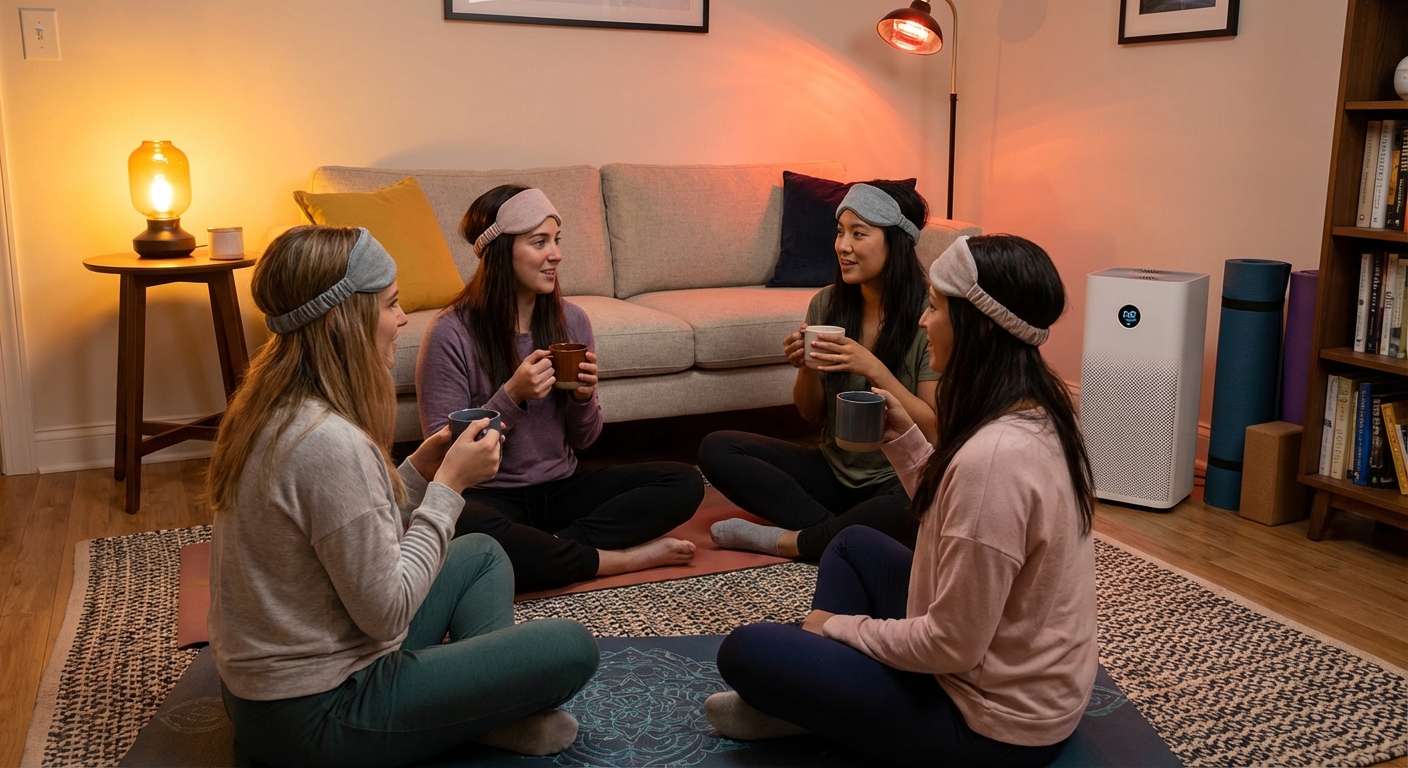
Walking clubs, sober‑curious events, and breathwork circles will be organized through TikTok and Discord, blending generations.
- Less Shame, More Strategy
Gen Z’s anti‑shame stance will keep pressure on brands to drop fear‑based marketing, while Millennials demand clinical validation.
Takeaways: Designing Your Own Cross‑Gen Wellness
Whether you identify with Gen Z, Millennials, or neither, you can borrow the best of both:
- From Millennials: structure, data awareness, investing in quality coaching or medical care when possible.
- From Gen Z: compassion, emotional honesty, boundaries, and low-cost, low‑pressure practices.
The future of wellness is unlikely to look like a perfect morning routine on Instagram. It’s more likely to look like a mix of therapy and training, dopamine walks and blood tests, mocktails and magnesium, memes and lab reports—customized to your nervous system, your budget, and your real life.