The Rise of Main Character Energy
If the 2010s were about #SquadGoals, the 2020s belong to Main Character Energy (MCE). It’s the TikTok-born concept that you’re the protagonist of your own movie — complete with aesthetic coffee runs, soft-focus sunsets, and a signature playlist.
But underneath the memes, MCE is reshaping how we tell stories, buy products, and perform identity online. It’s not just a vibe; it’s a framework for how a generation understands their lives.
According to TikTok’s 2024 culture report, videos using #maincharacter and related tags have surpassed 15 billion views globally, with Gen Z women and LGBTQ+ creators driving a majority of the content. What started as a joke has quietly become a cultural script.
From Meme to Mindset
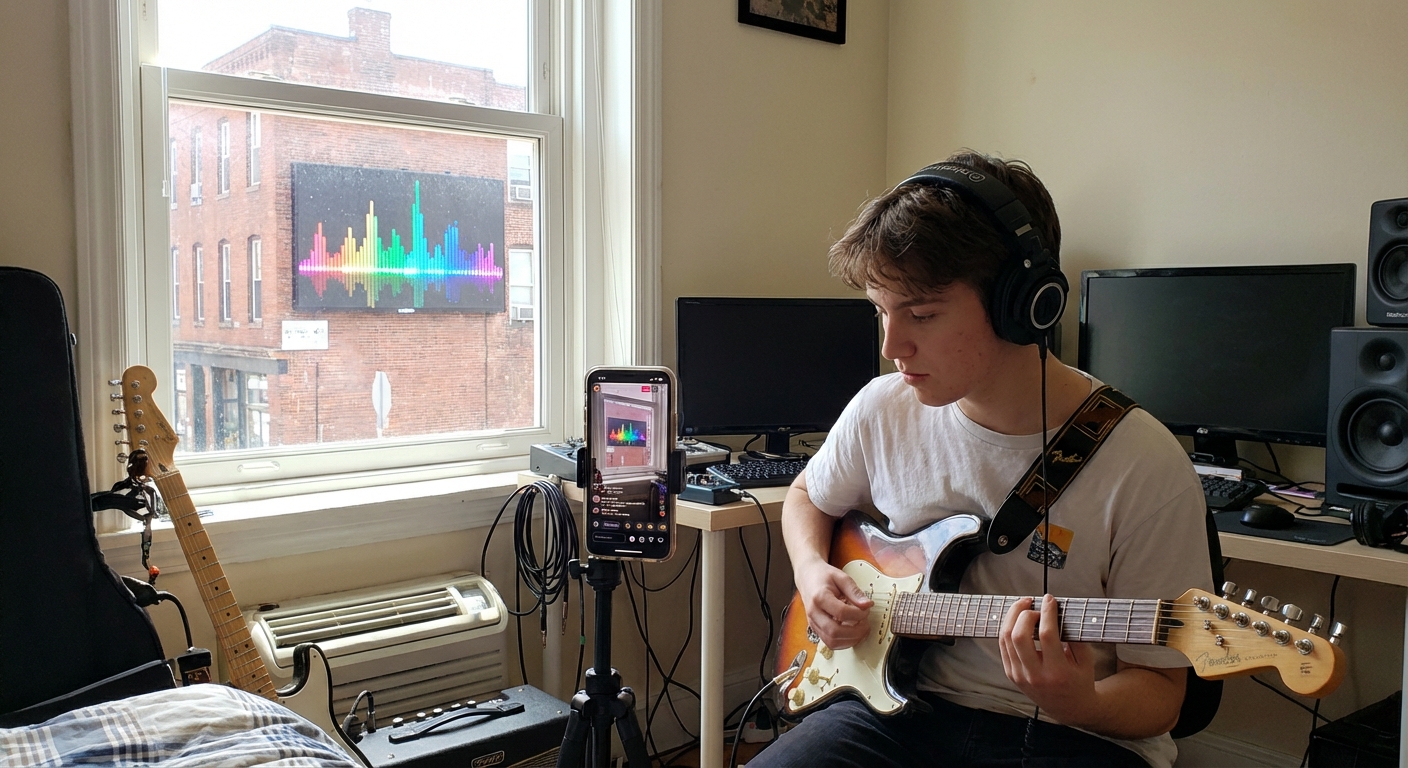
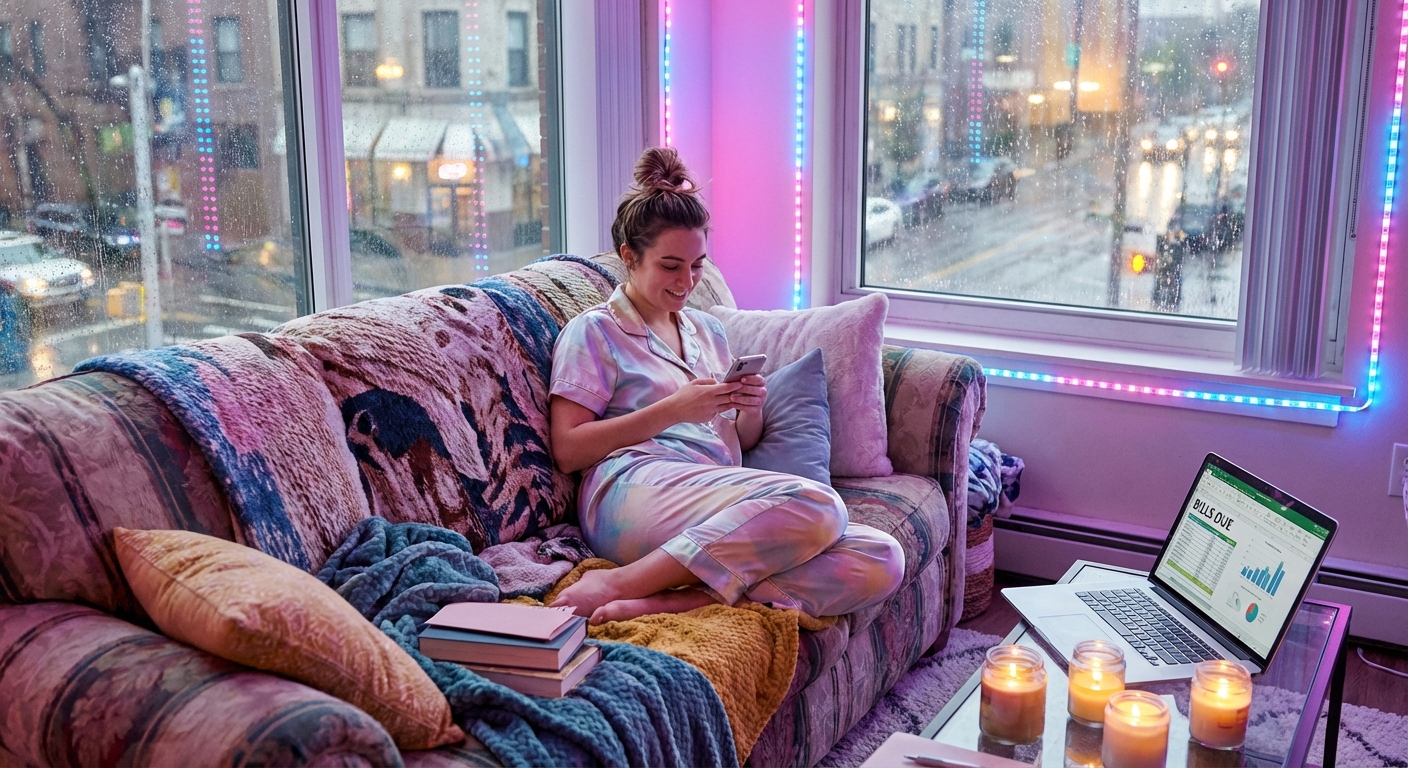
Main Character Energy first surged in 2020, when lockdowns made daily life feel surreal and repetitive. Creators began narrating routine moments — walking the dog, doing dishes, reading on a balcony — like they were scenes from an A24 film.
At its core, MCE is built on three pillars:
- Cinematic framing – Slow pans, lens flares, point-of-view shots, and moody soundtracks.
- Narrative ownership – Recasting setbacks as plot twists; breakups as character development.
- Aesthetic curation – Fashion, playlists, and interiors framed as part of a cohesive “story world.”
Cultural sociologist Dr. Alisha Nguyen calls this “the Netflix-ification of the self”:
> “We’ve internalized streaming aesthetics so deeply that we now produce and consume our everyday lives like serialized content. Main Character Energy is the logical endpoint of that shift.”
The Economics of Being the Protagonist
Brands noticed the pivot to hyper-individualized storytelling fast.
- Pinterest reported a 65% YoY increase in searches for "main character aesthetic" and "romanticize your life" in 2023.
- Spotify noted a spike in user-created playlists labeled “Main Character,” “Villain Arc,” and “Side Character Summer”, with such playlists exceeding 12 million globally.
Instead of selling products, brands now sell arcs:
- Beauty brands market “villain-era lipstick” or "soft-girl blush" as tools for a personality pivot.
- Travel companies frame solo trips as "Chapter One" of a new life.
- Fashion labels move from seasonal collections to "characters" and "worlds" (Maison Margiela’s narrative campaigns, Gucci’s cinematic shoots, etc.).
Influencer marketing has followed suit. Rather than generic lifestyle content, creators structure their feeds like multi-season storylines — burnout, rebirth, career pivot, healing era — keeping audiences invested.
Who Gets to Be the Main Character?
The language of MCE sounds democratic: everyone is the protagonist. But not everyone is framed, algorithmically or socially, as main-character material.
Media critic Jason Okafor notes:
> “When the default aesthetic for Main Character Energy is thin, white, able-bodied, and financially flexible, it’s not an inclusive fantasy; it’s just a prettier hierarchy.”
That’s starting to change. Marginalized creators are hacking the trope:
- Disabled creators document mobility aids and hospital visits as cinematic, refusing to be side characters in narratives of pity.
- Plus-size influencers are centering joyful outfit-of-the-day videos, not weight-loss arcs.
- Queer and trans creators frame transition as a heroic storyline they own — not a tragic subplot.
This counter-programming aligns with a broader shift in pop culture: audiences prefer flawed, messy protagonists over the polished aspirational types of the early influencer era. Think of how TV antiheroes and morally grey characters dominate fandom conversations.
The Dark Side: When Life Becomes Content
For all its empowerment rhetoric, Main Character Energy comes with psychological and social side effects:
- Performativity fatigue – A 2023 survey by YPulse found 54% of Gen Z feel "exhausted" by the pressure to make their lives look interesting on social media.
- Narrative distortion – Treating conflicts as “plot twists” can minimize real accountability and harm.
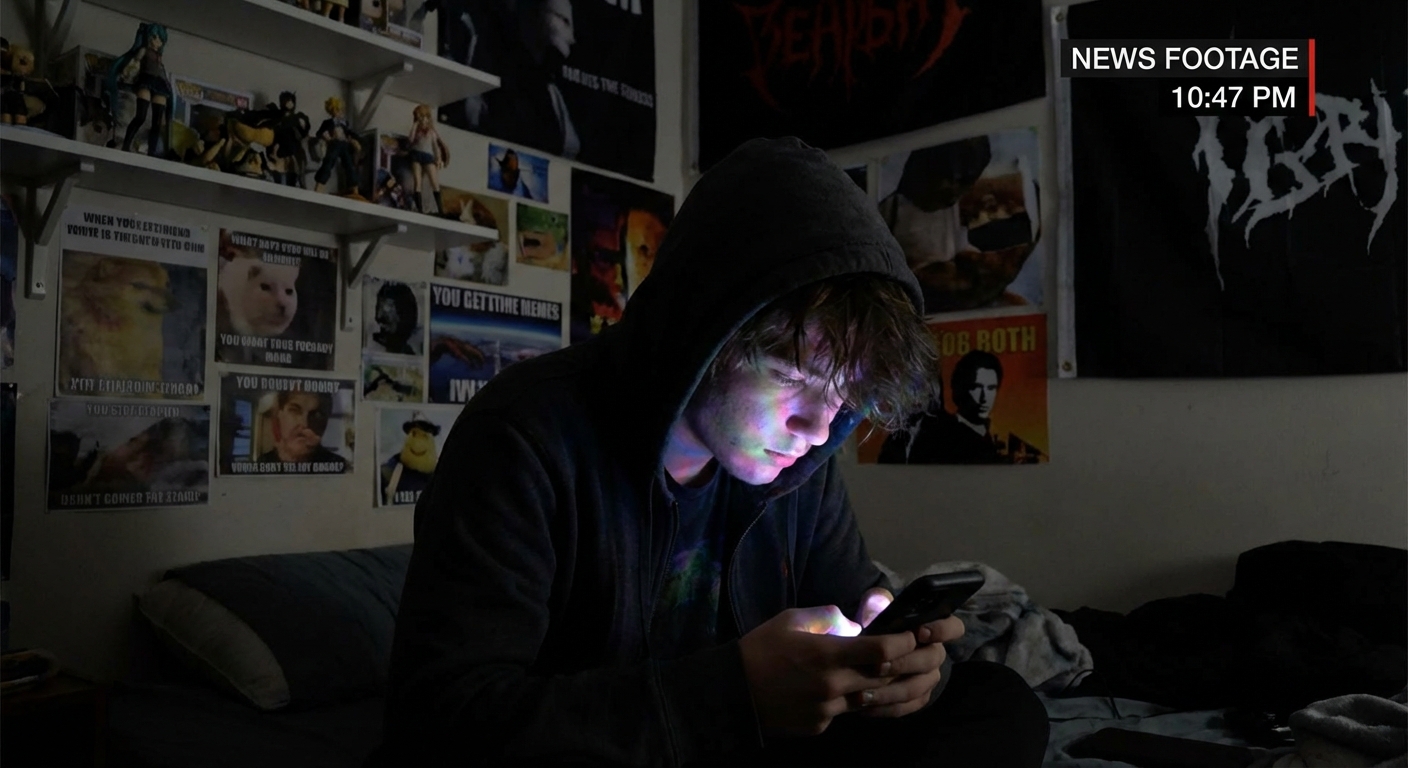
- Hyper-self-monitoring – Constantly viewing yourself from the outside in can aggravate anxiety and body dysmorphia.
Therapist and digital culture expert Dr. Rina Patel observes:
> “We’re seeing clients who can only process events by imagining how they’d look in a montage. Main Character Energy helps them cope but can also keep them from feeling experiences directly.”
Where It’s Headed Next: From Main Character to Shared Universe
Trend forecasters are already tracking the next evolution: from single-protagonist narratives to shared universes of identity.
1. Ensemble Energy
We’re moving from “me as the star” to “us as the cast.” Group content — creator collectives, friend-house vlogs, chaotic group chats — has surged. TikTok’s 2024 trend insights highlight a rise in:
- Co-created series (collab vlogs, stitched storytelling)
- Multi-perspective recaps of the same event
- Friend-group "casts" with distinct archetypes
This mirrors the Marvel-style shared universe model, but applied to friend groups and fandoms.
2. Micro-Genres of the Self
Expect even more niche arcs: Cottagecore main character, corporate baddie arc, soft-boy era, trad-urban hybrid. Each blends aesthetics, politics, and economics, not just style.
Platforms like BeReal and photo-dump culture on Instagram add an interesting tension: audiences now crave both cinematic highlight reels and scrappy, low-fi “blooper” energy.
3. AI-Assisted Storytelling
Generative AI tools now help users:
- Storyboard their “movie” life
- Auto-edit vlogs into cinematic cuts
- Score daily montages with personalized soundtracks
The barrier between lived experience and produced content is thinning. Your phone is your studio, your algorithm is your agent.
How to Navigate Main Character Energy Without Losing the Plot
For trend-conscious readers, the question isn’t whether MCE matters — it’s how to engage without burning out.
1. Use MCE as a lens, not a cage.Romanticize your commute, sure. But allow boring, un-filmed days. Everyone’s favorite shows have filler episodes.
2. Treat your supporting cast well.If you’re the protagonist, so is everyone else in their own story. Avoid framing people as disposable side characters in your “plot.”
3. Diversify your narratives.Follow creators outside your demographic, geography, and aesthetic lane. It expands what “main character” can look like.
4. Keep some scenes off-camera.As more creators publicly scale back, “private arcs” — breakups, grief, religious shifts — are becoming quietly aspirational.
Bottom Line
Main Character Energy is more than a TikTok sound; it’s a cultural operating system. It shapes how we express identity, what we buy, which creators we follow, and how we metabolize chaos.
The next phase won’t be about killing the main character — it’ll be about rewriting the script so more people get to be one, on their own terms, without needing the algorithm’s approval to feel real.