Your New Cultural Gatekeeper Isn’t Human
The most influential tastemaker in pop culture right now isn’t a critic, a label exec, or even a superstar influencer. It’s a cluster of recommendation systems — TikTok’s FYP, Spotify’s Discover Weekly, Instagram’s Reels tab, YouTube’s home page.
A 2024 YouGov survey found that 71% of Gen Z say algorithms introduce them to “most” of the music, shows, and creators they consume. Yet only 22% say they trust those algorithms. This paradox — heavy dependence, low trust — defines a new phase of culture.
How Algorithms Quietly Shape What You Love
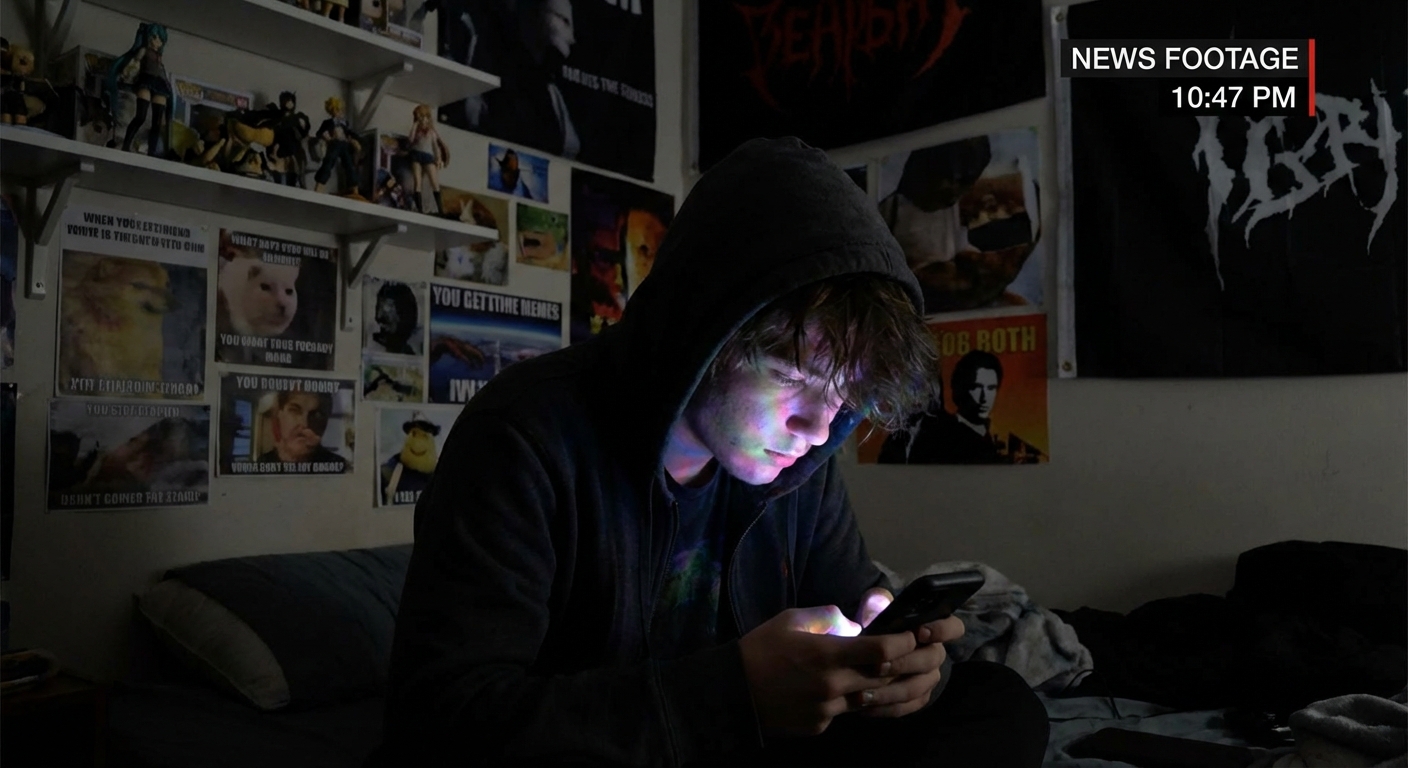
Recommendation feeds optimize for a few core metrics: watch time, clicks, shares, and sometimes “dwell time” (how long your eyes linger). The more time you give them, the more precisely they map your behavior.
This affects pop culture in several ways:
- Hyper-personalized micro-fandoms
Two people who both “love K-pop” might inhabit totally different micro-scenes, based on slightly different early watch histories.
- Accelerated trend cycles
Sounds, memes, and aesthetics rise and fall at warp speed. A joke can be born, peak, be declared cringe, and be ironically resurrected all within three weeks.
- Flattened context
Breaking news, fan edits, academic explainers, and unhinged shitposts all appear in a single stream. The brain has to constantly guess what matters.
Digital culture scholar Dr. Henry Luo calls this:
> “A permanent state of cultural jet lag — you’re always arriving in the middle of a conversation you don’t remember starting.”
The New Taste Economy: Curators, Not Critics
Traditional critics still matter, but their influence has fragmented. Now, micro-curators hold sway:
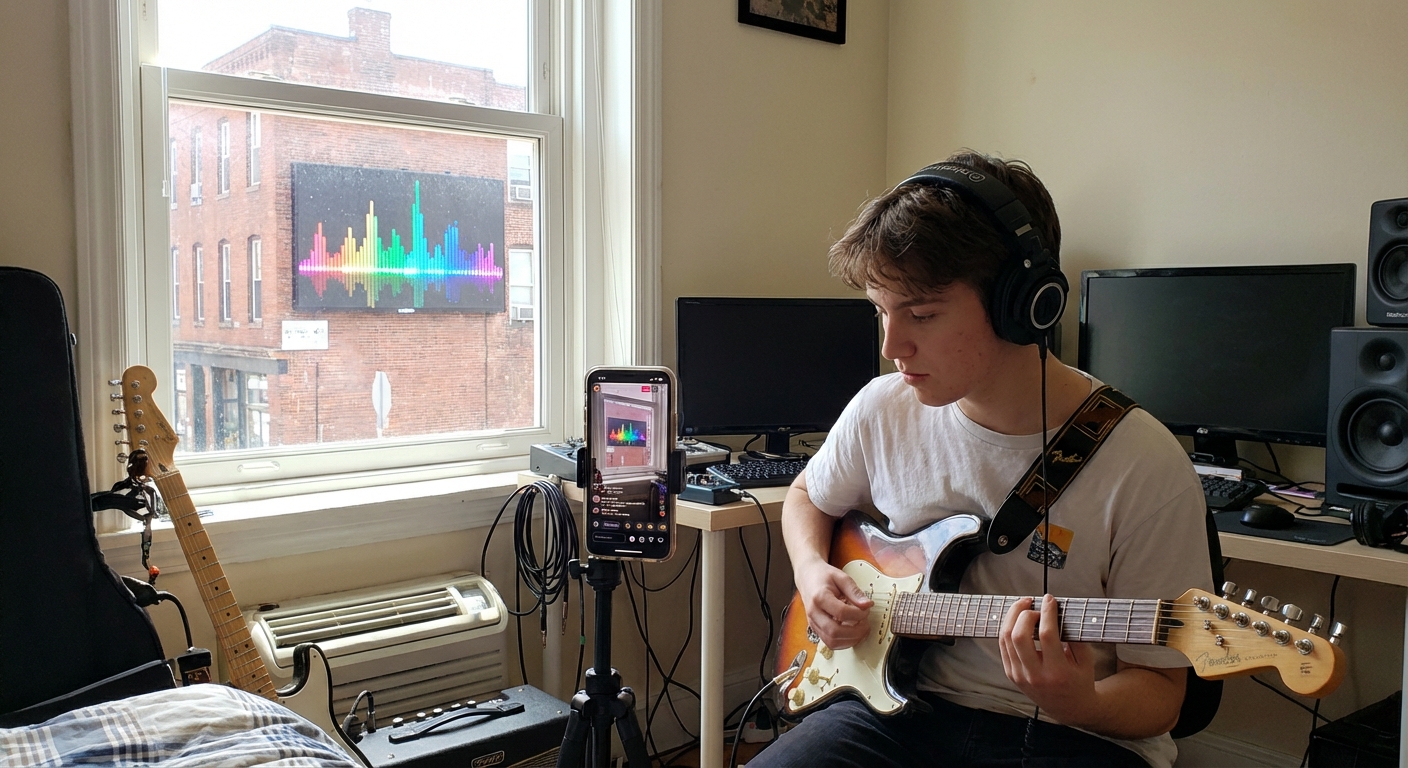
- Playlist editors on Spotify, Apple Music, or even independent curators on SoundCloud.
- TikTokers who only post “5 songs that feel like…” or themed reading recs.
- Letterboxd film nerds whose reviews go viral and redirect attention overnight.
According to Spotify’s 2023 Fan Study, listeners discovering music via user-generated playlists increased by 30% over three years, outpacing editorial playlists.
This shift means:
- Taste has become more collaborative.
- Niche influencers wield quiet but potent cultural power.
- Your friend with the scary-good recs is now as important as any magazine list.
Influencers as Algorithm Whisperers
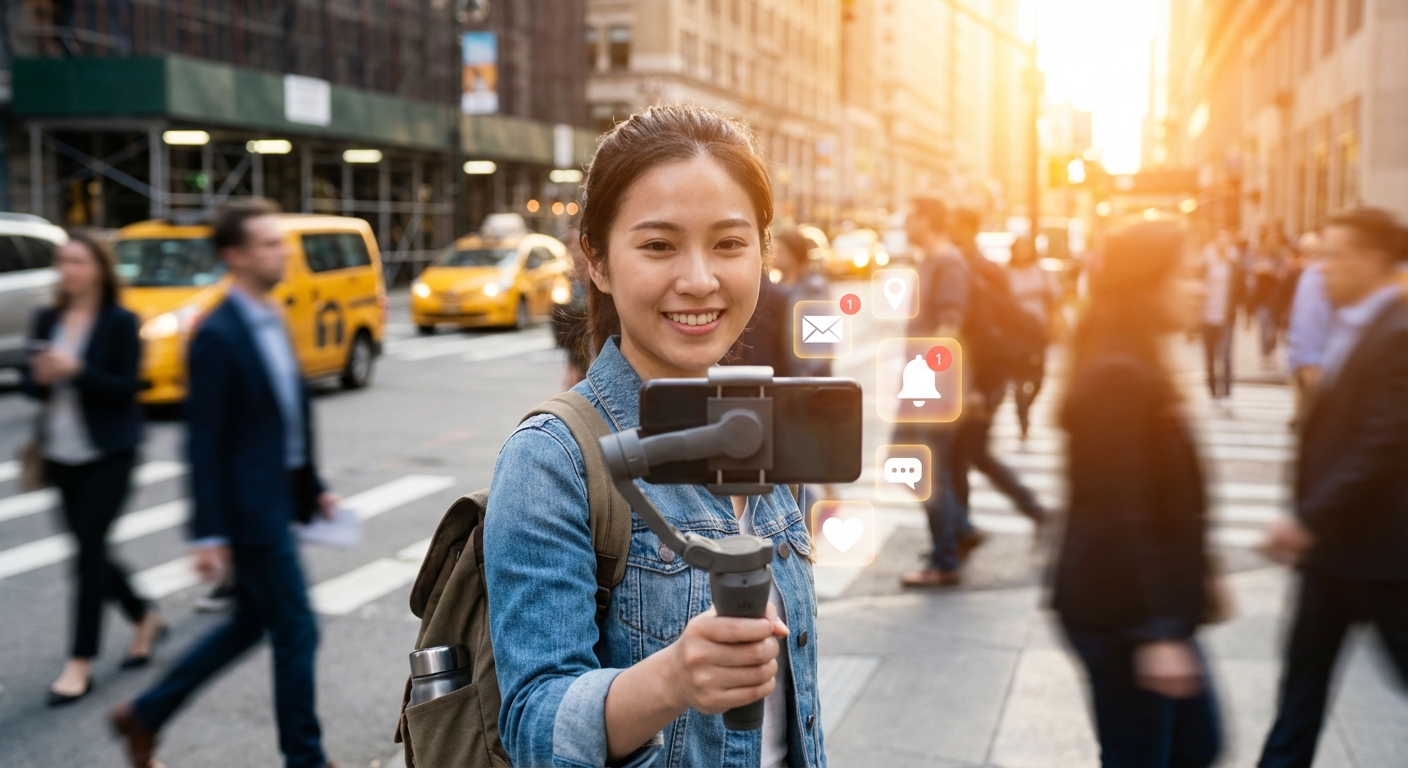
Top creators aren’t just making content; they’re reverse-engineering platforms in real time. They talk openly about:
- Posting times that align with their audience’s attention patterns.
- Hook-heavy first three seconds to beat scroll-away rates.
- Captions and sounds selected not just for humans, but for recommendation engines.
Marketing strategist Lia Mendez explains:
> “Influencers today are part artist, part growth hacker. Their real medium isn’t just video or makeup or comedy — it’s the algorithm layer itself.”
This symbiosis creates new cultural norms:
- Jump-cut editing and caption-heavy screens as default style.
- Video essays sliced into parts to maximize retention.
- “Watch till the end” or “story time” hooks as structural devices.
These forms seep into mainstream TV, film, and music videos as well.
The Filter Bubble… or Taste Greenhouse?
We’ve been warned for years about filter bubbles — echo chambers where algorithms feed us only what we already agree with. That risk is real, especially in political content. But in pop culture, the effect can look slightly different.
The algorithm often acts less like a bubble and more like a greenhouse:
- It takes an existing interest (anime, makeup, house music) and pushes you deeper into more specialized variations.
- It surfaces ever more niche creators in that lane.
The upside: new subcultures flourish faster. The downside: cross-pollination between scenes gets rarer. You can be wildly literate in cottagecore booktok and know nothing about the parallel universe of car-mod TikTok.
The Data Behind “Going Viral”
Virality isn’t as random as it looks. Platforms experiment constantly, but some consistent factors show up in internal leakers’ reports and creator analytics:
- Early engagement velocity – How fast a post gets saves, shares, and comments in the first hour.
- Network diversity – Whether it escapes your immediate follower graph.
- Content remixability – Sounds, templates, or formats that others can easily build on.
MIT’s 2022 study on TikTok sharing behavior found that posts which spawned at least 10 derivative videos within 48 hours were 4x more likely to receive extended algorithmic distribution.
Pop culture moments now often break this way:
- Seed audience reacts intensely.
- Format is remixed, stitched, or dueted.
- Algorithm reads this as “cultural heat” and amplifies.
Cultural Side Effects: Everyone’s a Brand, Everything’s a Trend
Living inside recommendation feeds incentivizes a certain way of being:
- Self as product – People tweak their hobbies, opinions, and even friendships into content.
- Trend-chasing fatigue – Creators burn out cycling through aesthetics just to stay visible (clean girl, mob wife, coquette, etc.).
- Irony as armor – It’s safer to present enjoyment with a layer of detachment than risk being “cringe.”
A 2023 Guardian-commissioned survey of 16–24-year-olds in the UK reported that 62% feel they “perform” a version of themselves online that is different from who they are offline, but also say that performance increasingly bleeds into their real-life choices.
Counter-Trends: Manual Curation and Digital Slowdowns
In response, a small but vocal wave of users is rebelling against algorithmic taste-making.
You’ll see:
- People making handcrafted playlists and zines.
- "No algorithm" challenges — using only search or direct recommendations for a week.
- A return to longform:
- Newsletters with personal rec lists.
- YouTube channels focused on deep dives over shorts.
- Podcasts where creators talk about what they love outside the metrics.
Apps like Letterboxd (film), Goodreads/StoryGraph (books), and Rate Your Music (music) offer hybrid spaces where human taste signals coexist with algorithmic suggestions.
Predictions: The Next Era of Taste-Making
1. Algorithm Transparency as a Selling Point
As regulation looms, platforms may lean into explainability:
- “Why you’re seeing this” panels refined and front-facing.
- User-tunable feeds (more niche, more mainstream, more from friends, less from brands).
Taste-savvy users will treat these as creative tools to architect their own cultural diets.
2. Curator as Creator
Expect more creators who don’t primarily make original art but:
- Build careers around selecting and contextualizing.
- Run multi-platform recommendation hubs.
- Host IRL events (film nights, listening parties) tied to their feeds.
Their value proposition: trusted filtering amid infinite choice.
3. Cross-Feed Breakouts
The next iconic pop culture moments won’t just dominate one feed — they’ll sync across:
- TikTok + gaming streams + fanfiction platforms + Discord communities.
- Music + meme formats + fashion aesthetics.
When something crosses three or more ecosystems, it becomes canon-level.
4. AI-Tuned Personal DJs and Programmers
As generative AI matures, personalized culture-radio is coming:
- AI hosts stitching together your favorite songs with commentary.
- Dynamic film and book suggestions that adjust to your mood in real time.
The line between “your taste” and “your model’s taste” will blur further.
How to Keep Your Taste Yours
If you want to stay trend-conscious and sovereign in your preferences:
1. Make some decisions the hard way.Occasionally pick a movie by scrolling a catalog manually. Ask a friend for a rec instead of refreshing the FYP.
2. Follow people outside your comfort zone.Curate at least 10% of your follows from scenes you don’t already inhabit.
3. Save, don’t just scroll.Keep a personal log of what you genuinely loved — songs, scenes, creators. Over time, that archive becomes your real taste map.
4. Notice when you’re being optimized.If you’re only watching what’s easiest to watch, your feed is choosing for you. That’s the moment to step sideways.
Pop culture has always been shaped by invisible forces — radio programmers, studio heads, editors. The difference now is that the main gatekeeper lives in your pocket and changes its mind every millisecond.
Learning to see the algorithm as a collaborator instead of a puppeteer might be the most important taste skill of the decade.