Welcome to the Age of the Eternal Throwback
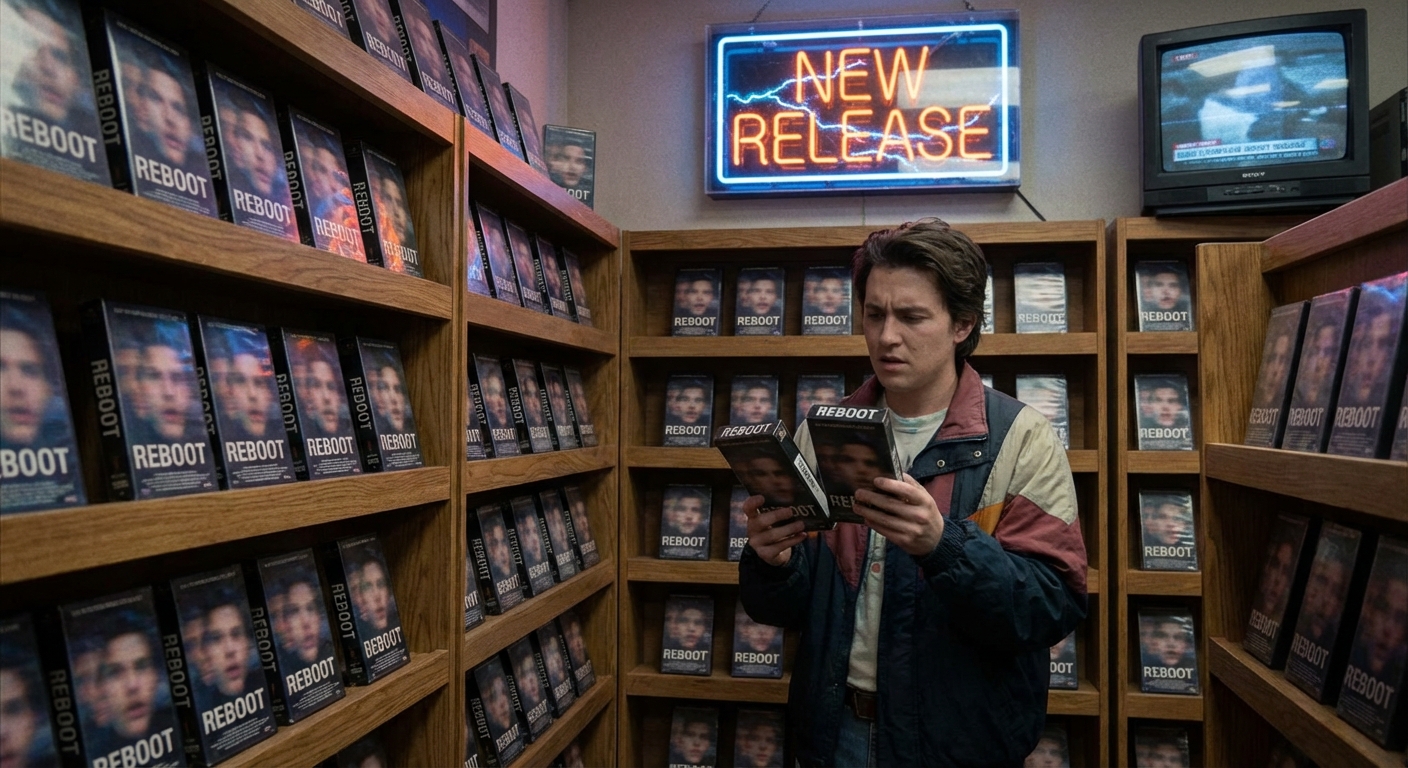
From live-action remakes and legacy sequels to TikTok sounds built on samples of samples, pop culture in the 2020s can feel like an endless déjà vu. Yet audiences keep showing up.
In 2023, 7 of the top 10 global box office films were based on existing IP (intellectual property) — comics, toys, games, or previous movies — according to Comscore. On streaming, shows like Stranger Things, Cobra Kai, and multiple Star Wars spin-offs dominate watch-time charts.
We’re not just consuming stories; we’re consuming our memories of those stories.
Why Nostalgia Hits Harder Now
Nostalgia has always sold. But its intensity today is amplified by:
- Permanent access to past media – Streaming, YouTube, and digital archives mean the cultural past never fully leaves circulation.
- Ambient anxiety – Economic uncertainty, climate crisis, political instability; comfort rewatches feel like emotional home-cooking.
- Algorithmic incentives – Platforms reward familiar beats and recognizable properties because they reduce friction and boost engagement.
Media psychologist Dr. Sofia Marin explains:
> “Nostalgia gives people a sense of temporal stability. In unstable times, revisiting known story worlds can feel like an emotional anchor.”
IP as the Super-Asset of Modern Entertainment
For studios and streamers, IP is a financial shield:
- Existing characters and universes mean lower marketing risk.
- Built-in fanbases create predictable baseline revenue.
- Merchandising, theme parks, and crossovers add extra layers of monetization.
Disney, Warner Bros., and other majors increasingly treat new stories as portfolio risks — experiments to be greenlit sparingly, while proven franchises are extended like blue-chip stocks.
Between 2012 and 2023, the top 50 global films generated by original screenplays dwindled significantly as franchise entries dominated. Even platforms heralded for originality, like Netflix, lean heavily on recognizable IP once they acquire or develop it.
Fandom as Co-Author, Not Just Audience
Here’s what’s new: fans aren’t passively absorbing reboots. They’re actively shaping them.
- Online petitions and social campaigns have revived canceled shows (Brooklyn Nine-Nine, The Expanse).
- Fan theories influence writers’ rooms — sometimes subtly, sometimes overtly.
- Social media sentiment becomes data in renewal decisions.
And in day-to-day fandom life:
- AO3 (Archive of Our Own) surpassed 11 million fanworks in 2024.
- TikTok edits and fancams reframe side characters as protagonists.
- Fan casting trends frequently go viral and can impact actual casting conversations.
Cultural critic Lena Ortega notes:
> “When you watch a reboot today, you’re not just seeing the studio’s vision — you’re seeing years of fan reaction, meta, and commentary baked into the script.”
The Remix Mindset: Everything Becomes Material
Remix culture is no longer a subcultural practice; it’s the default.
Consider:
- Music built from layered samples (e.g., Olivia Rodrigo repurposing pop-rock tropes, or drill producers chopping up everything from Enya to 2000s R&B).
- Memes that constantly restage iconic scenes ("He’s just Ken" edits, Marvel reaction gifs, anime reaction clips).
- Fashion cycles reviving Y2K, 90s rave, and 70s silhouettes in quick succession.
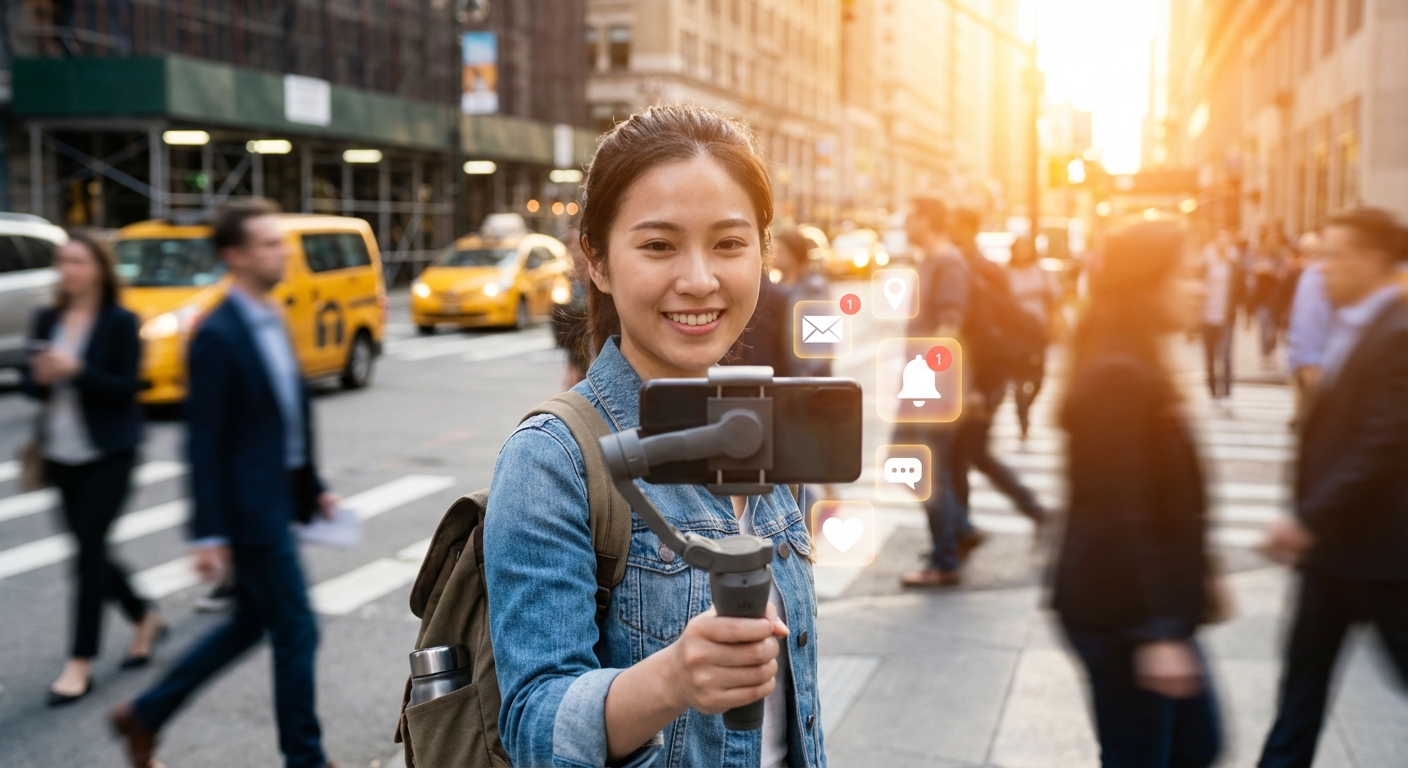
TikTok’s audio library is essentially a live, chaotic archive of cultural snippets. Sounds get stripped of context and re-attached to new emotions:
- A serious movie monologue becomes the backing for pet videos.
- A throwaway TV line becomes the voice of a generation for two weeks.
This perpetual recontextualization is a form of collective authorship.
Are We Running Out of New Ideas?
The common complaint: “Everything is a reboot now.” But the reality is more nuanced.
There are distinctive new works — Everything Everywhere All at Once, Squid Game, Barbie (itself IP, but wildly reimagined), A24’s film slate, indie games like Hades or Undertale. They just compete in a market crowded with massive franchise marketing.
What’s changing is how originality expresses itself:
- Through unexpected combinations rather than from-scratch invention.
- Through perspective shifts — familiar genres retold by historically excluded creators.
- Through format innovation — interactive series, ARGs, fan-participatory worldbuilding.
Game designer and narrative theorist Emilie Voss argues:
> “We’re not out of ideas; we’re out of old distribution models. Fresh stories now emerge in webtoons, fanfic, indie games, and creator economies before they ever hit traditional pipelines.”
The Representation Pivot in Reboots
A major reason some re-imaginings resonate is improved representation.
Recent years have seen:
- More women and POC leads in franchise entries (e.g., The Little Mermaid with Halle Bailey, Spider-Man: Into the Spider-Verse and Across the Spider-Verse, Doctor Who casting Ncuti Gatwa).
- Queer subtext in older properties becoming text in new versions.
- Side characters from the original narratives receiving full arcs.
This has sparked both enthusiastic fandom and predictable backlash, revealing how deeply people feel ownership over their formative stories.
The best of these reboots work not as simple updates, but as commentary on the originals:
- Cobra Kai reframes the Karate Kid universe from multiple vantage points.
- Bel-Air recasts a sitcom as a drama about class and race tensions.
- She-Ra and the Princesses of Power leans into queer subtext and emotional nuance.
Spillover Into Everyday Culture
Nostalgia-driven IP isn’t confined to screens. It shapes:
- Fashion – Revival of JNCO-style jeans, claw clips, and baby tees; archival luxury reselling.
- Music – 00s pop-punk and emo aesthetics resurfacing; 90s R&B textures in current hits.
- Design – Memphis design references, vaporwave color palettes, analog filters.
Meanwhile, physical spaces mirror the reboot mentality:
- Pop-up bars recreating fictional TV cafés or fantasy taverns.
- Theme parks doubling down on immersive lands based on film universes.
- Retro gaming lounges and vinyl bars as lifestyle statements.
Predictions: What Comes After the Reboot Peak?
1. Deep Cuts Over Blockbusters
As mainstream IP fatigue grows, expect a pivot from mega-franchises to cult revival:
- Niche 90s/00s anime, mid-budget thrillers, and forgotten sitcoms getting second lives.
- Streamers mining back catalogs for “new” content with low acquisition costs.
2. Fan-Origin IP Breakouts
Fan energy will increasingly incubate the next generation of properties:
- Web novels and webtoons adapted into high-profile series (Solo Leveling, Lore Olympus).
- Wattpad-era dynamics mutating into TikTok-accelerated story incubators.
Here, the fandom exists before the formal IP deal, flipping the traditional order.
3. IP as Shared Universe Sandbox
Major franchises will lean harder into:
- Anthologies set in the same world but with wildly different tones (horror offshoots, rom-com side stories, prestige spin-offs).
- Cross-media storytelling (games, comics, podcasts, AR experiences) that encourage deeper immersion.
4. Meta-Nostalgia: Stories About Our Attachment to Stories
We’re already seeing works not just rebooting IP but dissecting it — Barbie, The Matrix Resurrections, Scream (2022) all explicitly comment on their own existence as corporate/sequel objects.
Expect more projects where the plot is about parasocial fandom, legacy, and the weirdness of living inside a culture that constantly recycles itself.
How to Navigate the Remix Era With Intention
For trend-savvy consumers, the question isn’t “reboots: good or bad?” It’s: What role do I want to play in this cycle?
1. Mix comfort with discovery.Pair your comfort rewatch with something new each week — an indie film, a foreign drama, a debut album.
2. Pay attention to provenance.Ask: Who’s profiting from this story now? Who’s telling it this time? What’s changed and what hasn’t?
3. Support original angles.When a reboot takes real risks — new POV, bolder politics, formal experimentation — reward that at the box office or via your streams.
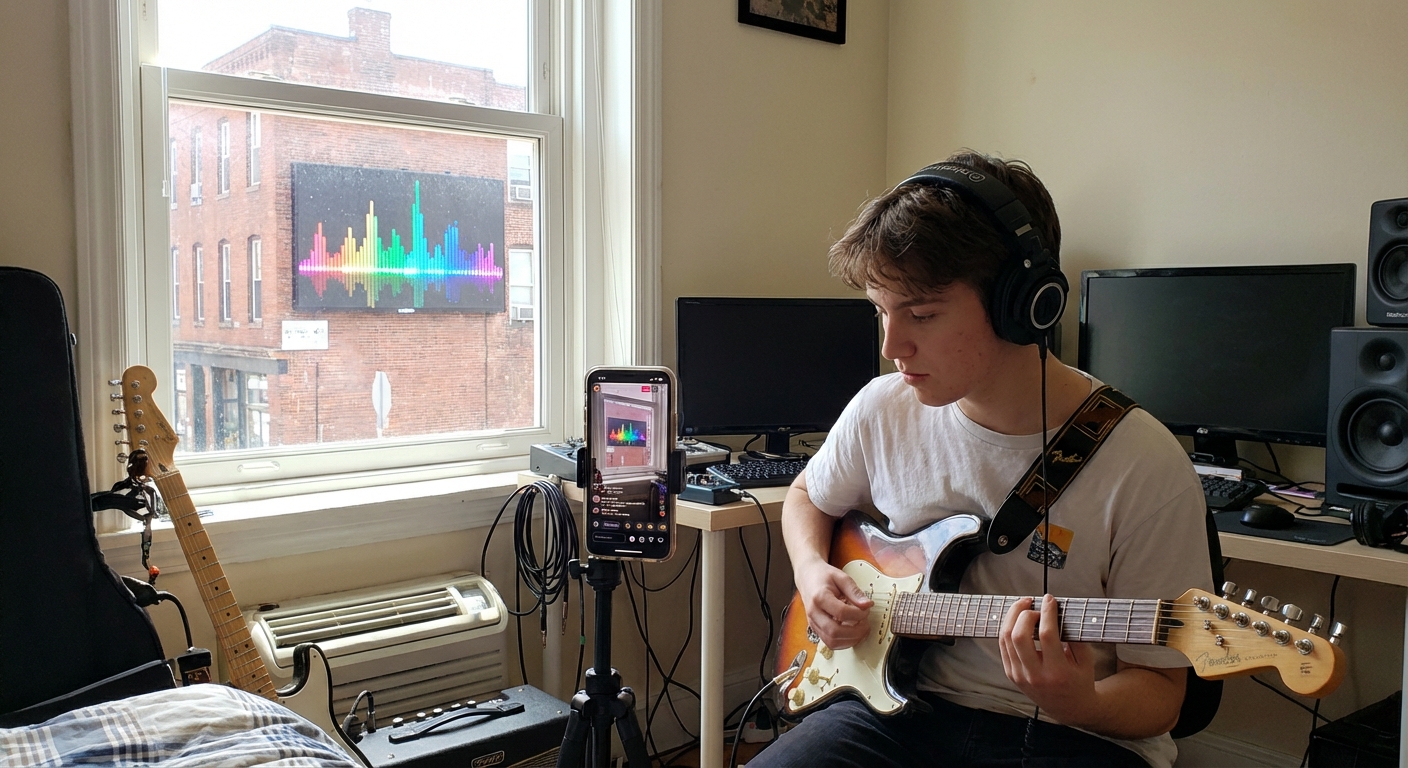
4. Make your own remixes.Play in the sandbox: fan art, fanfic, edits, essays. Participatory culture is where much of the real innovation lives.
The Takeaway
The infinite reboot era isn’t a sign that culture is dead; it’s a sign that the archive has gone fully live. The past is no longer behind us — it’s raw material.
The opportunity, for creators and consumers alike, is to treat nostalgia not as an endpoint but as a starting point. The question isn’t “Why are we doing this again?” but “What can we do differently with what we already love?”