Dressing for the Feed, Not Just the Street
In 2025, getting dressed is no longer a private ritual; it’s a content strategy. Even if you’re not posting #OOTDs, the logic of the algorithm shapes what ends up in your closet.
Outfits must do three things at once:
- Work in real life.
- Pop on camera.
- Fit into recognizable aesthetics the internet can parse.
According to a 2024 Shopify report, social commerce driven by TikTok and Instagram is expected to hit $1.2 trillion globally by 2027, up from $475 billion in 2023—and fashion is one of the most shopped categories.
The result? We’re entering the age of algorithm-ready dressing.
From “Personal Style” to Searchable Style
For years, stylists talked about personal style as something unique and ineffable. TikTok changed that. Now style is:
- Tagged (#cleanfit, #coquette, #blokette, #oldmoney, #balletcore).
- Searchable (users type “brown leather jacket outfit winter” like a search engine).
- Ranked, via views, saves, and shares.
> “If your outfit can’t be tagged, it won’t travel,” notes digital trend analyst Agustina Panzoni (@thealgorythm), who tracks aesthetic cycles on TikTok.
The New Aesthetic Economy
TikTok has turned vibes into currency. Some of the fastest-growing fashion aesthetics of the last 18 months include:
- Eclectic Grandpa / Grandpa Core – slouchy trousers, cardigans, vintage tees.
- Mob Wife – faux fur, animal print, high glam makeup.
- Office Siren – pencil skirts, sheer tights, pointed pumps, fitted shirts.
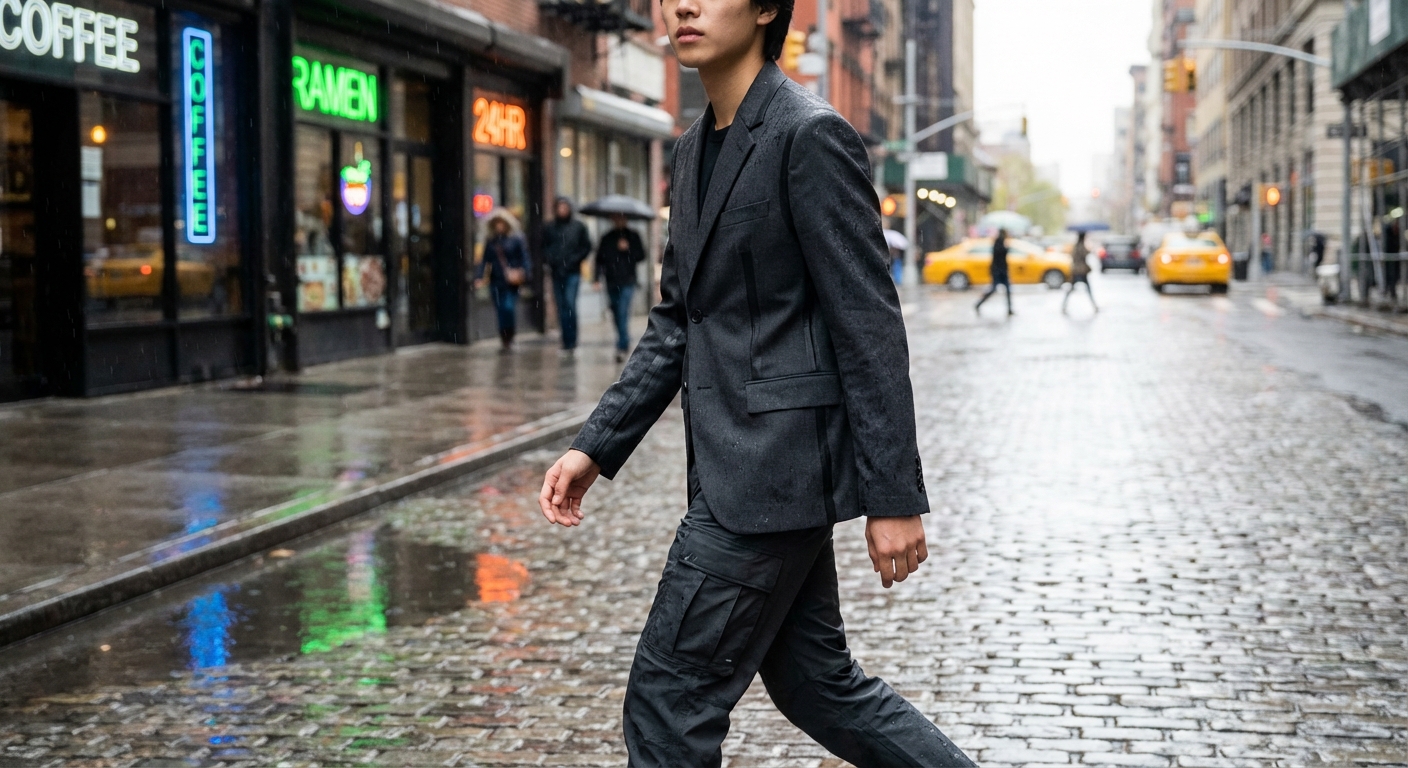
- Tech Minimalist – black, gray, nylon, Gore-Tex, zippered everything.
Google Trends shows a 300% increase in searches for “mob wife aesthetic” and a 250% jump for “office siren” in early 2024 following viral TikTok videos.
These aren’t just aesthetics; they’re algorithms shortcuts—visual tags that help the platform understand and distribute content.
How Creators Design Outfits to Go Viral
Top fashion creators don’t put together outfits randomly; they work with the algorithm’s logic.
1. High-Contrast Silhouettes
On a tiny screen, strong shapes win. You’ll see:
- Big coat + tiny top.
- Massive jeans + tiny ballet flats.
- Sharp shoulders + fluid trousers.
This isn’t just tasteful styling; it’s about making a silhouette legible in 1.5 seconds.
2. One Clear Focal Point
The most saved outfits usually have a single conversational piece:
- A neon bag in a neutral outfit.
- Chrome boots with a simple dress.
- A sculptural belt over a basic blazer.
> Stylist Parker Kit Hill once described it as “giving the eye something to gossip about.”
3. Tag-Friendly Aesthetic Blends
Rather than pure trends, creators increasingly combine 2–3 aesthetics per look:
- “Eclectic grandpa meets office siren.”
- “Clean girl but 90s punk details.”
More tags = more entry points into For You Pages.
The Double Life of Clothes: Offline vs Online
A 2023 Klarna survey reported that 52% of Gen Z respondents have bought an item “mainly because it would look good in photos or videos.” But we still have to exist beyond the grid.
So how do you balance it?
1. Choose Camera-Literate Colors
On video, certain shades read better:
- Jewel tones (emerald, cobalt, ruby).
- Soft pastels with contrast (mint, lavender with dark denim).
- Solid neutrals that photograph as texture (heather gray, oatmeal, off-white).
Busy micro-prints often just look noisy on TikTok.
2. Dress in “Content Layers”
Think in stages:
- Base: the real-life outfit (comfortable, weather-appropriate).
- Add-on content layer: a dramatic coat, sunglasses, hat, scarf.
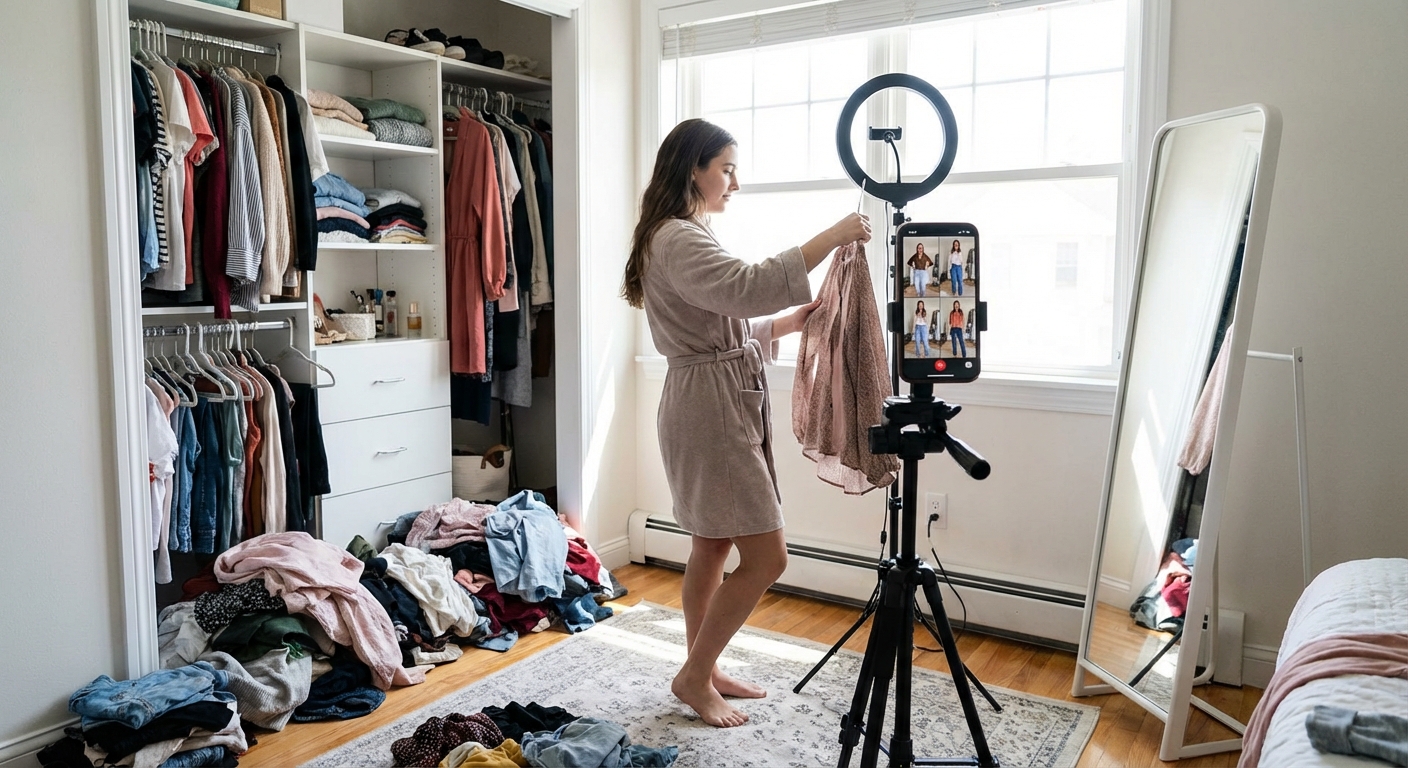
You can shoot content with the full look, then strip to the base for daily life.
3. Repeat Pieces, Change the Story
Creators like Wisdom Kaye and Linda Tol frequently re-use key items but shift:
- Proportion (tucked vs untucked).
- Vibe (sneaker vs heel vs boot).
- Context (daylight coffee run vs evening dinner).
This is sustainable and algorithm-friendly—the same item appears in multiple saved videos.
How Brands Are Designing for the Algorithm
Fashion brands are no longer just designing for runways and store shelves—they’re designing for the For You Page.
What Sells on Social
Data from LTK (LikeToKnow.it) shows strong performance for:
- Distinctive bags under $200 that look expensive.
- Outerwear with a clear shape (bombers, motos, trenches).
- “Dupe-friendly” hero items that echo luxury silhouettes.
Brands like Mango, Zara, Cider, and Aritzia have mastered releasing pieces that slot cleanly into viral aesthetics.
Influencer-Led Co-Design
Creators are now co-architects of product lines. Think:
- Hauls turning into formal brand ambassadorships.
- Creator capsules (e.g., Emma Chamberlain x Levi’s) based on silhouettes she already wears on TikTok.
In its 2024 State of Influencer Marketing report, Influencer Marketing Hub found fashion/beauty still dominate brand deals, with 89% of marketers saying TikTok creators drive “above-average” ROI.
The Downsides: Identity Blur & Trend Burnout
Algorithm-ready dressing can erode personal style if you’re always chasing what performs.
Signs you’re dressing more for the feed than yourself:
- You don’t feel like yourself unless your outfit is “aesthetic.”
- You own multiple items you only wear to shoot content.
- Your saved tab is 90% trends you don’t actually live in.
Fashion critic Rachel Tashjian has warned of “algorithmic homogeneity”—everyone slowly dressing the same, optimized for a single platform.
Building Algorithm-Ready Outfits Without Losing Yourself
You can play the game and keep your identity.
1. Pick Three Visual Signatures
These are elements that show up in most of your outfits, on or off camera. For example:
- Always silver jewelry.
- Boxy jackets over everything.
- A recurring color (red, green, cobalt).
These become your recognizability anchor, like a logo.
2. Decide Your “No-Go” List
Create a short list of trends you won’t join, no matter how viral. Maybe it’s:
- Ultra-low-rise jeans.
- Hyper-fast micro-trends you’d only wear once.
- Aesthetic labels that don’t match your values.
This keeps your wardrobe from being fully algorithm-led.
3. Use Trends as Texture, Not Identity
Instead of fully adopting each aesthetic, integrate 1–2 details:
- Mob wife trend? Try a faux fur collar on a classic coat.
- Balletcore? Add a wrap cardigan over your usual jeans.
This gives your style currency without constantly reinventing yourself.
What’s Next: Post-Algorithm Style
Predictions for the next 2–3 years:
- Micro-communities over mega-trends: niche Discord servers, small Substacks, and closed IG circles shaping style more than mass For You Pages.
- Slower, serialized outfits: people following creators to see how they wear the same pieces across seasons.
- Personal AI stylists: tools that learn your body, your life, and your location—and suggest looks you’ll both like and want to post.
The algorithm isn’t going anywhere, but the most interesting style in this decade will come from people who use it as a tool—not a script. Dress for the feed if you want—but always dress for your future self first.