Taste Is No Longer Just Personal
What you call your “taste” in music, fashion, interiors, or even friends is increasingly co-authored by algorithms. In 2025, social media platforms don’t just reflect culture—they manufacture micro-aesthetics at scale.
Think: cottagecore, dark academia, clean girl, blokecore, coquette, tomato girl summer. None of these trends existed in mainstream vocabulary before social media turned niche vibes into visual identities.
A 2024 report from GWI found that over 70% of Gen Z and young millennials say they discover new aesthetics and styles on social media, particularly TikTok, Instagram, and Pinterest.
This explainer unpacks how feeds are reprogramming taste—and what it means for trend-conscious users.
1. The Era of Infinite Micro-Aesthetics
The old model: a handful of big trends per season, handed down from magazines and runways.
The new model: thousands of overlapping vibes, each with:
- Distinct color palettes
- Moodboards and playlists
- Recommended brands, poses, and even hobbies
How this happens
- A few creators start posting consistent visuals and language.
- Others imitate, remix, and name the vibe.
- The algorithm clusters similar content and amplifies it.
- Brands jump in with products and campaigns.
Sociologist and culture writer Kyle Chayka calls this “filterworld”—a space where platforms standardize how things look and feel.
Key shift: Aesthetic identities are less about belonging to one tribe and more about switching skins depending on mood, context, and platform.2. Algorithmic Taste Training
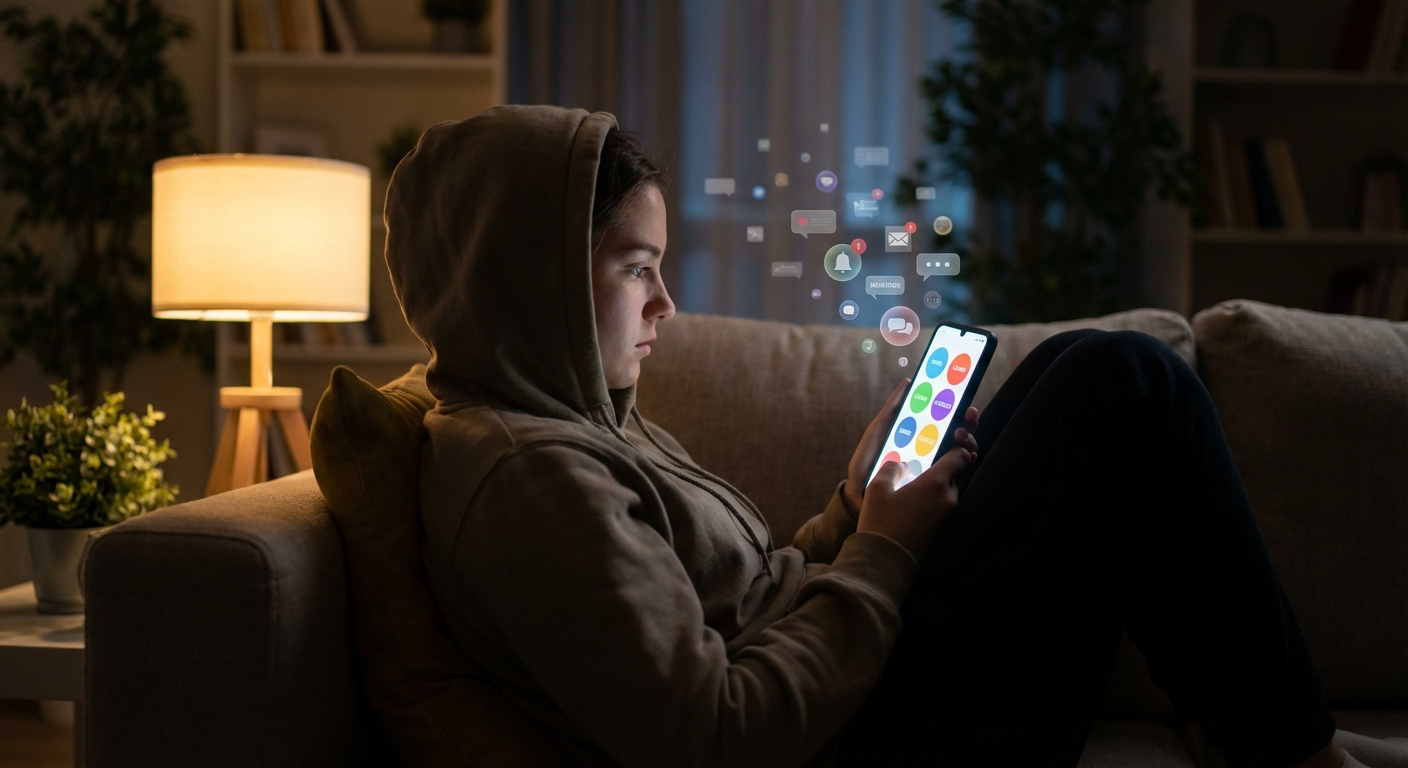
Your For You or Explore page functions like a taste training loop:
- You pause on a video—say, Scandinavian interiors.
- The platform serves you more of the same style.
- You start saving and following similar accounts.
- The loop tightens until this aesthetic feels “natural” to you.
A 2023 TikTok internal research summary (reported by Forbes) suggested that users’ preferences shift measurably over just a few weeks of exposure to certain content clusters.
The result is what media theorist Annie Dorsen describes as “algorithmic co-authorship”: your sense of what’s good, beautiful, or cool is shaped by both your choices and the system’s nudges.
Insight: Taste has always been influenced—by magazines, music videos, movies. What’s new is the speed, granularity, and personalization of influence.3. Influencers as Taste Architects
Influencers used to be product billboards. Increasingly, they’re taste architects: people whose stylings and recommendations quietly define what “good” looks like in a niche.
How they work
- They curate products, music, lighting, and language into cohesive worlds.
- They often mix high and low: luxury with thrift, indie with mainstream.
- Their followers adopt not just items but entire reference systems.
Examples:
- Emma Chamberlain shifting YouTube from hyper-edited perfection to chaotic, lo-fi realism.
- Matilda Djerf helping define the blowout-hair, neutral-wardrobe Scandinavian chic look.
- Countless micro-influencers who set the tone in balletcore, blokecore, granny chic, or Y2K revival spaces.
A Kantar study from 2023 found that 54% of Gen Z trust influencers more than brand ads when it comes to style and product choices.
Trend to watch: Rising power of micro-curators—small accounts known for flawless playlists, vintage edits, or hyper-specific moodboards.4. Social Media as the New Department Store
Your feed now functions like a never-ending concept store, except everything is arranged by vibe rather than by category.
Commerce meets aesthetic
- TikTok Shop and Instagram Shopping embed purchase links directly into vibe videos.
- Pinterest integrates “shop the look” across home, fashion, and beauty.
- Brands build entire collections around viral aesthetics.
McKinsey estimates social commerce could hit $2 trillion globally by 2026, driven largely by short-form video and creator-led recommendations.
This changes how taste and buying habits intertwine:
- You don’t just like a look; you can recreate it instantly.
- “Add to cart” becomes part of participating in an aesthetic.
5. The Homogenization Problem
With billions of users training their tastes on the same surface-level aesthetics, a paradox emerges: feeds feel personalized, but the world starts to look the same.
Signals of homogenization:
- Coffee shops and Airbnbs globally copying the same white + wood + plants interior formula.
- Wardrobes converging on similar silhouettes and color schemes.
- Poses, editing styles, and even facial expressions becoming standardized.
Cultural critics argue this is partially driven by platform-native optimization:
- Images that are bright, clean, and minimal perform better in grids.
- Faces with certain angles, filters, and lighting get more engagement.
6. The Counter-Trend: Anti-Aesthetic and Chaos Feeds
As polished aesthetics saturate feeds, a counter-trend is rising: deliberate messiness and anti-aesthetic content.
Examples:
- “Photo dumps” of blurry, unposed images.
- Chaotic, low-res, or “overshared” vlogs.
- Maximalist interiors and eclectic, thrift-heavy fashion.
Creators like Bella Hadid and Devon Lee Carlson, and many TikTok-native Gen Z users, lean into a visual language that feels more scrapbook than magazine spread.
A 2024 internal Meta briefing referenced by industry insiders suggests that users are increasingly rewarding “authentic-feeling imperfection” with shares and saves.
Takeaway: Taste is splintering again—from glossy aspirational to deliberately unpolished, with both existing side by side.7. How to Stay Conscious While Enjoying the Trend Wave
You don’t need to log off or reject aesthetics to stay in control. You just need to add a layer of awareness.
Practical strategies
- Notice your loops
Ask monthly: Which aesthetics am I repeatedly seeing? Did I choose them—or did the algorithm choose them for me?
- Diversify your inputs
Follow creators from different cities, cultures, body types, and design philosophies. Your taste sharpens when it has something to push against.
- Save before you shop
Instead of instant buying, create moodboards. Patterns will emerge that reflect your deeper taste beyond the current micro-trend.
- Search outside the feed
Books, film photography, indie magazines, offline events. The more offline references you have, the less your taste is purely platform-bred.
8. The Future of Taste in a Platform World
Looking ahead, expect three developments:
- AI-generated aesthetics
Tools like Midjourney and DALL·E will make it easier to prototype entire looks, interiors, or brand vibes before they exist physically.
- Niche-to-mass loops speeding up
A look can go from a 500-follower account to Zara racks in under a season. Brands that can keep up with this loop will dominate.
- Taste as identity portfolio
Instead of one monolithic style, people will keep multiple aesthetic selves: work, weekend, digital, fantasy—all nourished by different parts of their feeds.
Owning Your Taste in an Algorithmic Age
Social media isn’t just showing you what’s cool; it’s actively participating in deciding it with you.
You have more agency than you think:
- What you linger on
- Who you follow
- What you buy—or don’t
Those micro-choices teach the system what version of the world to send back to you.
Staying trend-conscious in 2025 isn’t just about spotting the next micro-aesthetic. It’s about asking, with curiosity rather than paranoia:
> How much of my taste is truly mine—and how do I want to shape it next?