The New Social Media Reality
Social media in 2025 is less about posting highlights and more about curating identities, communities, and micro-moments. The era of chasing mass virality is giving way to smaller, more intentional networks and content built for niche relevance over broad reach.
According to Hootsuite’s 2024 Social Trends report, 69% of users say they now prefer “smaller, more private spaces” online over public feeds. Meanwhile, a 2023 Sprout Social study found that 51% of Gen Z follow at least one private or “alt” account separate from their main profiles.
Below are the seven biggest social media shifts trend-watchers should track right now.
1. From Broad Virality to Micro-Communities
The old playbook: go viral, get followers, convert. The new playbook: go niche, go deep, then monetize.
What’s happening
- Discord servers, Telegram groups, and Close Friends lists on Instagram are where the real conversations now happen.
- Patreon, Geneva, and Circle are powering “inner circle” communities around creators.
Influencer and creator coach Ali Abdaal often emphasizes that “1,000 true fans” are now more valuable than 100,000 passive followers. That ethos is now mainstream.
Why it matters
Brands that still optimize only for reach are missing where trust is actually built: in smaller, more intentional spaces. Community-led content, member-only drops, and invite-only chats are the new trust currency.
Prediction: By 2027, at least 1 in 3 full-time creators will earn the majority of their income from private or semi-private communities rather than open-feed ad revenue.2. The Rise of the “Unpolished” Aesthetic
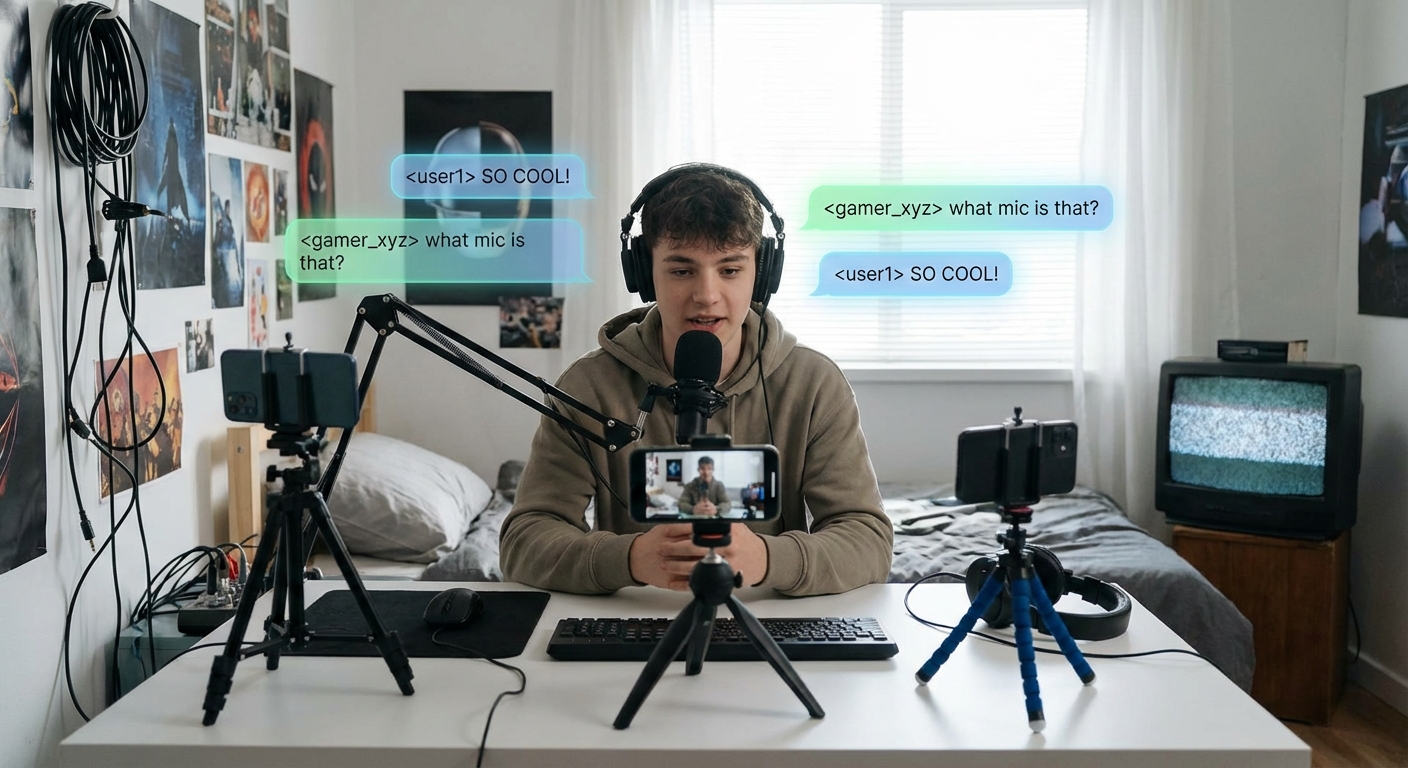
The glossy Instagram era is officially over. Raw, imperfect, and “too real” is the new flex.
Signals in the culture
- TikTok’s top-performing videos consistently use natural lighting, phone audio, and no heavy editing.
- Influencers like Alix Earle and Emma Chamberlain have normalized chaotic, chatty, and unfiltered formats.
- On Instagram, “Photo Dump” carousels and blurry nightlife shots continue to outperform stylized shoots.
A 2024 report from Later found that “casual” photo dumps saw 28% higher saves and 22% higher shares than single, posed images.
Why it matters
Audiences are craving relatability over aspiration. Social feeds now reward:
- Low-friction shoots filmed in bedrooms and cars
- Behind-the-scenes moments and process content
- “First take” storytelling instead of produced scripts
3. Creator-First, Platform-Second Strategies
The platform wars (Meta vs TikTok vs YouTube vs X) are now background noise to the main event: creator-owned ecosystems.
How creators are shifting power
- Top creators like MrBeast and KSI are focused on building brands (food, beverages, products) that live beyond any single platform.
- Mid-tier creators are migrating audiences to email lists, SMS, podcasts, and membership hubs.
A 2024 Influencer Marketing Hub survey found:
- 63% of full-time creators say their top priority is “owning my audience.”
- 48% are actively building email or SMS lists as insurance against algorithm changes.
4. AI as Content Co‑Pilot, Not Replacement
AI isn’t replacing creators; it’s arming them. Social-native AI tools are quietly rewiring how fast and how often content gets made.
What’s trending now
- TikTok’s built-in AI editing and script prompts are lowering the barrier to high-volume posting.
- Tools like Descript, CapCut, and Opus Clip automate captioning, clip extraction, and resizing.
- AI analytics platforms are recommending hooks, formats, and posting slots.
A 2024 Adobe survey shows over 50% of creators already use AI weekly, mostly for ideation and editing support—not full automation.
Why it matters
The real trend isn’t “AI influencers” replacing humans; it’s:
- Solo creators operating like micro media studios
- One-person teams posting 3–5x more efficiently
- Brands turning long-form assets into content ecosystems across platforms
5. Search-First Social and the TikTok-ification of Discovery
Search is no longer just Google’s domain. TikTok, Instagram, and even Pinterest are primary search engines for younger users.
The data
- A 2023 Google internal report cited by The New York Times noted that nearly 40% of Gen Z prefer TikTok or Instagram over Google for search.
- TikTok has rolled out search ads and search optimization tips, baking SEO into creator behavior.
What this changes
- Hooks now double as keywords: “POV: you’re a 24-year-old moving to NYC alone” is both a narrative and a search phrase.
- Video descriptions are getting longer, more keyword-rich, and more intentional.
- Niche searches (“quiet luxury office outfits,” “ADHD study hacks,” “5-minute recipes no oven”) are driving community formation.
6. The Wellness Rebellion: Intentional Scrolling and Soft Boundaries
The backlash to endless scrolling is here—but it doesn’t look like mass deletion. It looks like curated restraint.
Micro-behaviors on the rise
- Scheduled “scroll windows” and app timers
- Following fewer accounts more intentionally
- Muting, not unfollowing, to control the emotional tone of feeds
A 2024 Pew Research Center study found that 53% of social media users have changed their follow lists in the past year to protect their mental health.
Creators like Mel Robbins and therapists on TikTok (“TherapyTok”) are mainstreaming content about algorithm awareness, doomscrolling, and digital burnout.
Trend to watch: Expect platforms to ship more “wellness” tools—usage nudges, unscrollable breaks, and end-of-feed prompts. Those that don’t risk cultural irrelevance.7. The Return of Long-Form (But Only If It’s Intentional)
While short-form dominates reach, long-form is quietly owning depth and conversion.
Where it’s happening
- YouTube essays from creators like Tiffany Ferg and Johnny Harris are pulling millions of views on videos over 20 minutes.
- Long-form TikToks (3–10 minutes) are becoming a viable format for tutorials, deep dives, and storytimes.
A 2024 YouTube Creator report noted that watch time for videos 10+ minutes grew 15% year-over-year, even as Shorts exploded.
Long-form wins when it:
- Solves specific problems (how-tos, breakdowns)
- Offers narrative payoff (personal stories, investigations)
- Bundles value that would be annoying in 12 separate clips
What This All Adds Up To
The biggest social media trend isn’t a feature or a platform—it’s a cultural recalibration:
- From passive scrolling to intentional following
- From public performance to semi-private connection
- From mass reach to meaningful resonance
Trend-conscious readers, creators, and brands that win in this landscape will:
- Bet on community over clout
- Treat algorithms as tools, not gods
- Design content ecosystems that live beyond the feed
The social web isn’t shrinking. It’s simply getting smarter, smaller, and more human.